
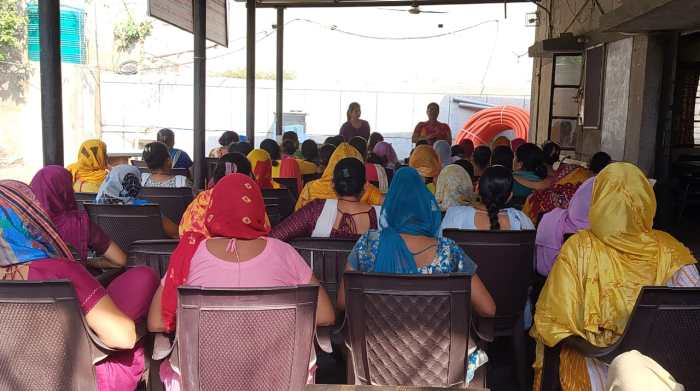
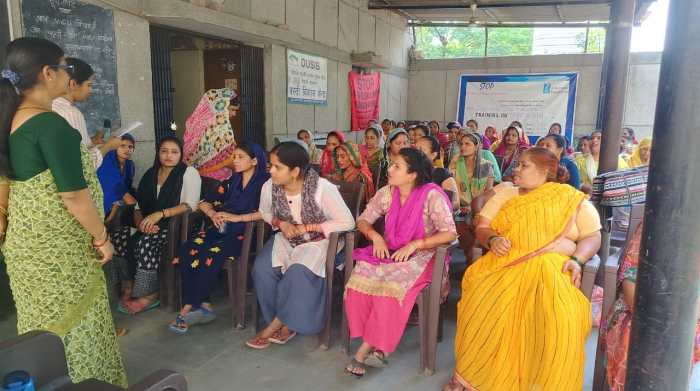
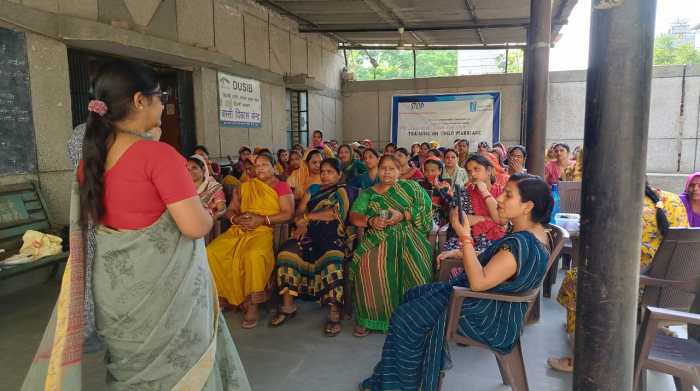
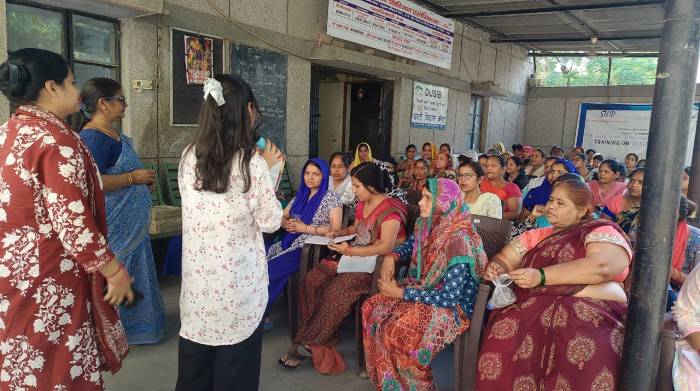
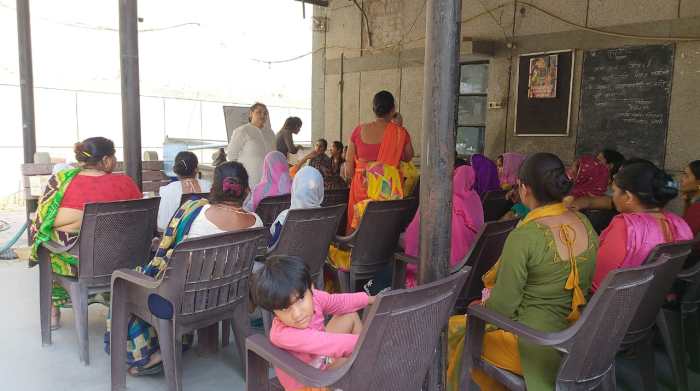
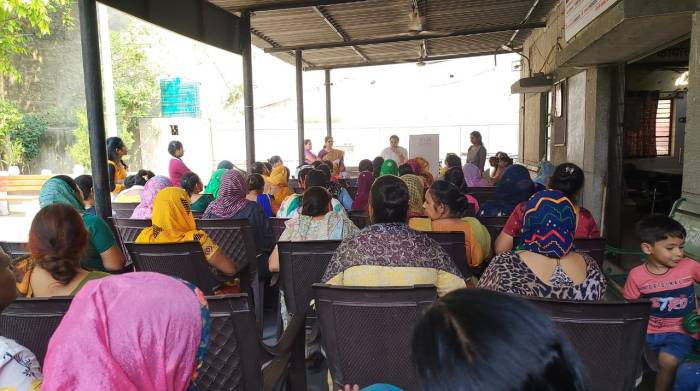
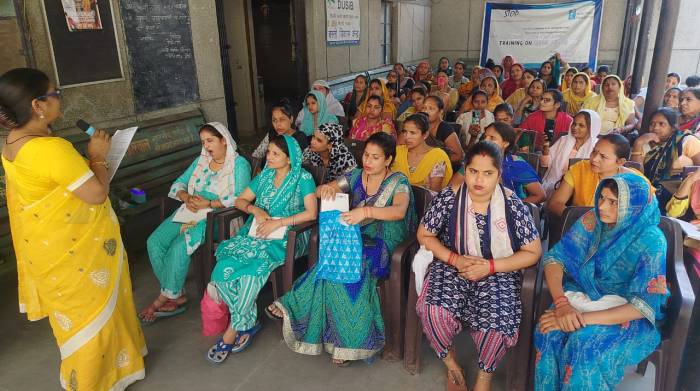
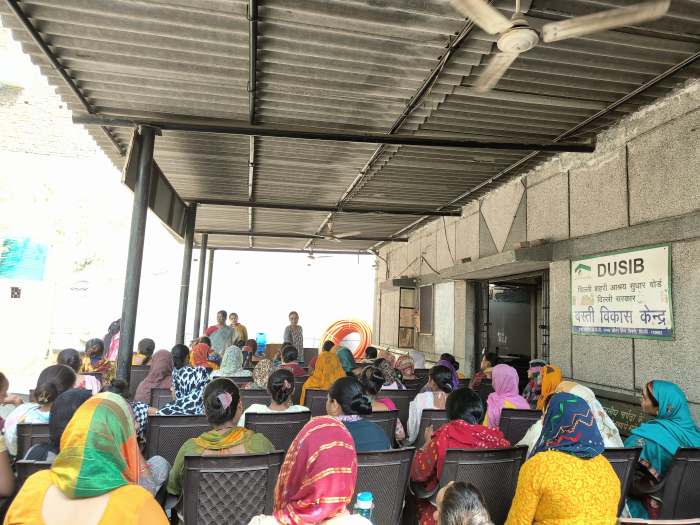
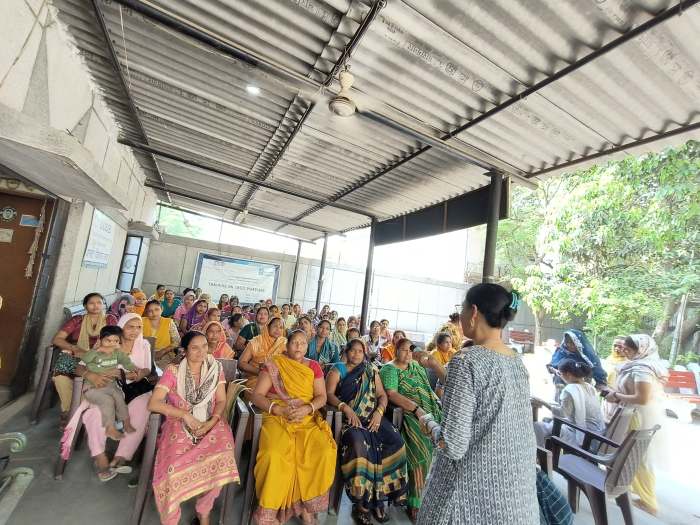
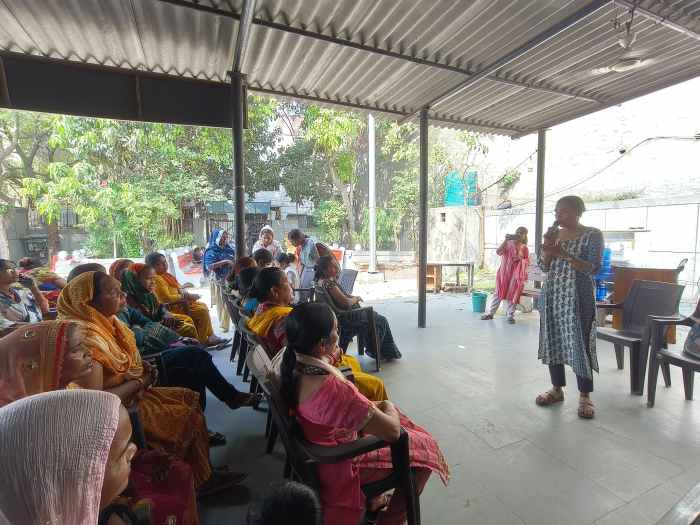
In a remarkable initiative during the last week of March and the first half of April 2025, a group of 100 determined women from STOP India’s Tigri community came together to take part in an empowering series of training sessions. Organized through a powerful collaboration between Azim Premji Philanthropic Initiatives (APPI) and STOP India, these sessions aimed to spark transformation — not just in knowledge, but in identity, awareness, and purpose.
These weren’t ordinary workshops. They were safe spaces where women could reflect, question, and rise — reclaiming their power, learning about their rights, and building the confidence to stand up against injustice. With a focus on real-world issues that affect their everyday lives, these sessions laid the groundwork for long-lasting change within families, communities, and society at large.
Key Modules Covered & The Experts Who Led Them
Each training module was led by passionate professionals who brought their expertise, empathy, and energy to the sessions. Together, they addressed some of the most pressing and often overlooked issues faced by women and girls:
- Child Marriage was discussed in depth by Smritikana Ghosh Paul, Senior Programme Manager, who sensitively unpacked the social, psychological, and legal impacts of early marriage.
- Human Trafficking was explained in depth by Narayani Bhattacharya, Documentation Officer, shedding light on the hidden dangers and equipping women with tools to identify and resist exploitation.
- Health and Hygiene were championed by Sakshi Gaur, Psychological Counsellor, and Shirine Marian Tigga, Project Coordinator. They emphasized the importance of both physical well-being and mental health in leading empowered lives.
In addition to these, several other critical topics were explored:
- Fundamental Rights & Freedom
- Education
- Cybercrime
- Child Labour
- Domestic Violence
These topics were facilitated by local changemakers including Mamta Gopal (Centre-In-Charge, Tigri), Kashish and Deepika (Teachers, STOP), and Rani (Centre Field Worker). Their grassroots connection made the sessions relatable and actionable, helping participants understand how legal rights, access to education, and personal safety intersect in daily life.
A Movement of Awareness and Action
For many women, these sessions were an eye-opening experience — a first step in a journey toward awareness and self-empowerment. Stories of courage, questions asked with curiosity, and silent moments of realization turned these sessions into transformative gatherings. As one participant shared, “The strength of a community lies in its women. These women showed us what dedication and courage look like.”



















 stopglobalmovement.com