Creative Learning Through Art, Recycling, and Innovation
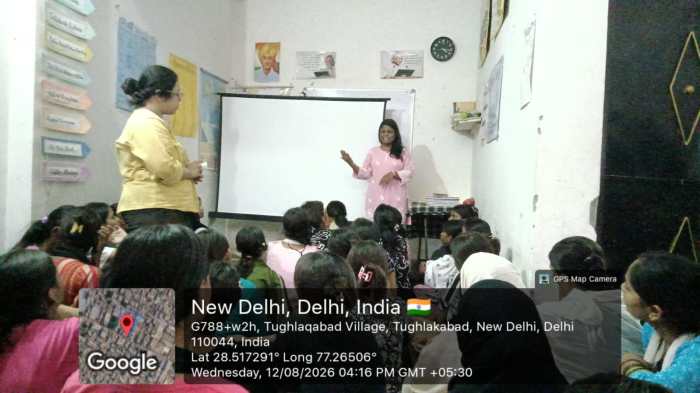
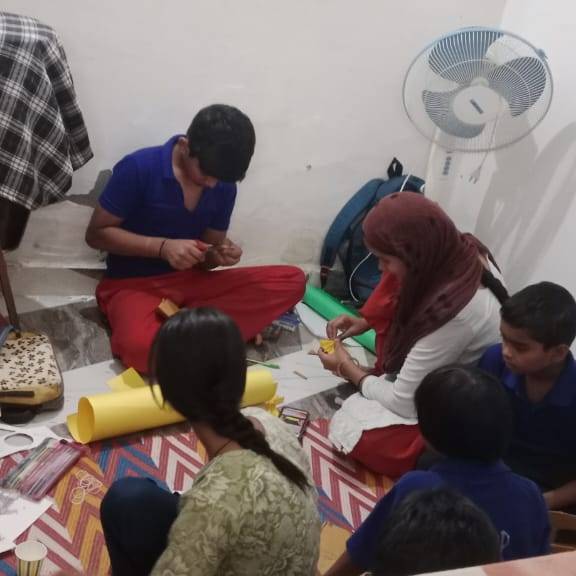
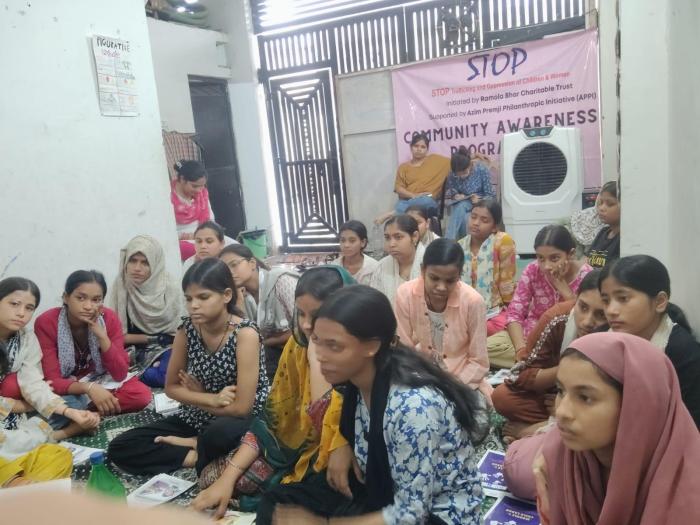
As part of STOP’s Summer Camp Activities in the month of June 2026 at Tughlakabad, a total of more than 70 children enthusiastically participated in a series of interactive and creative sessions aimed at making learning enjoyable during the summer break.
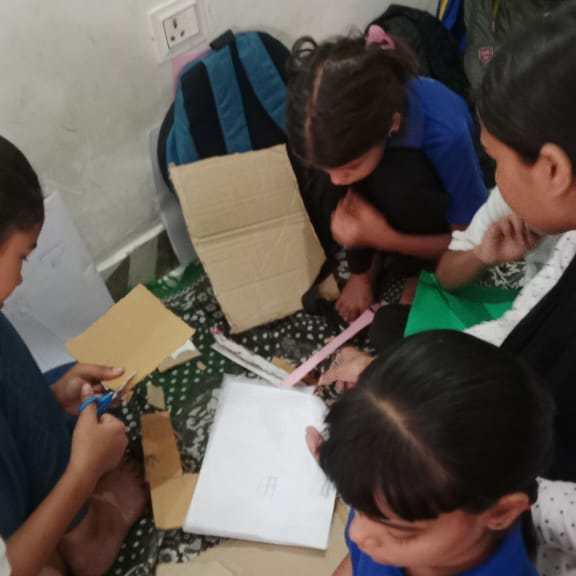
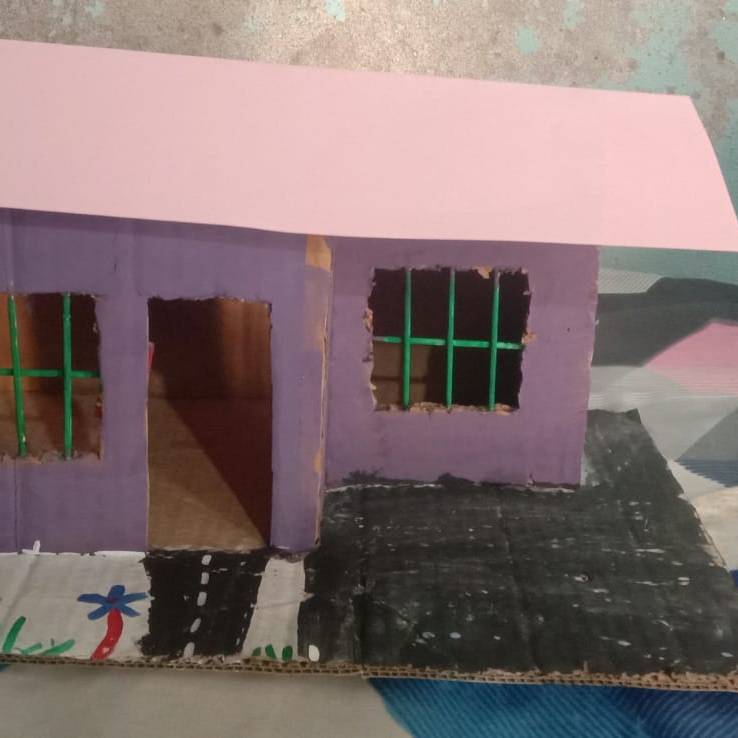
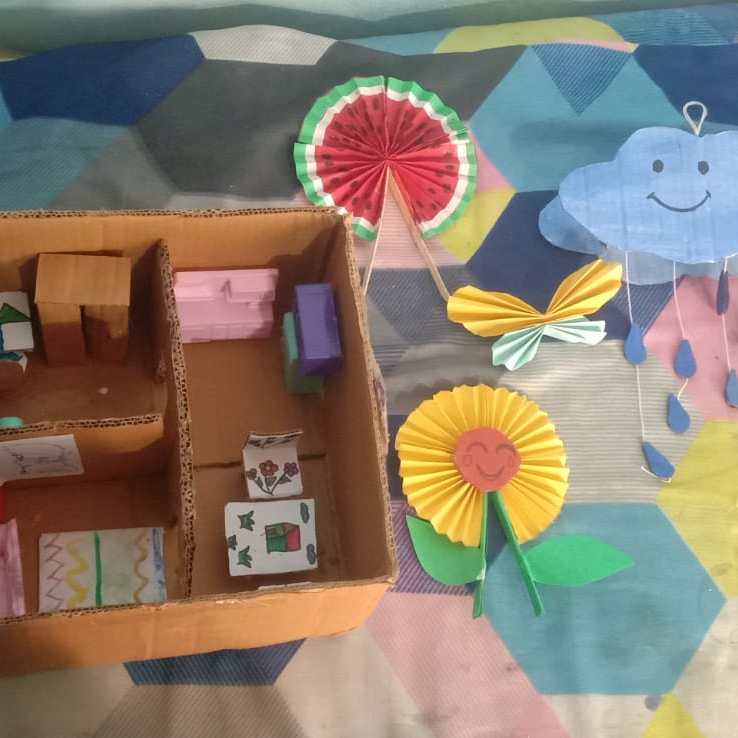
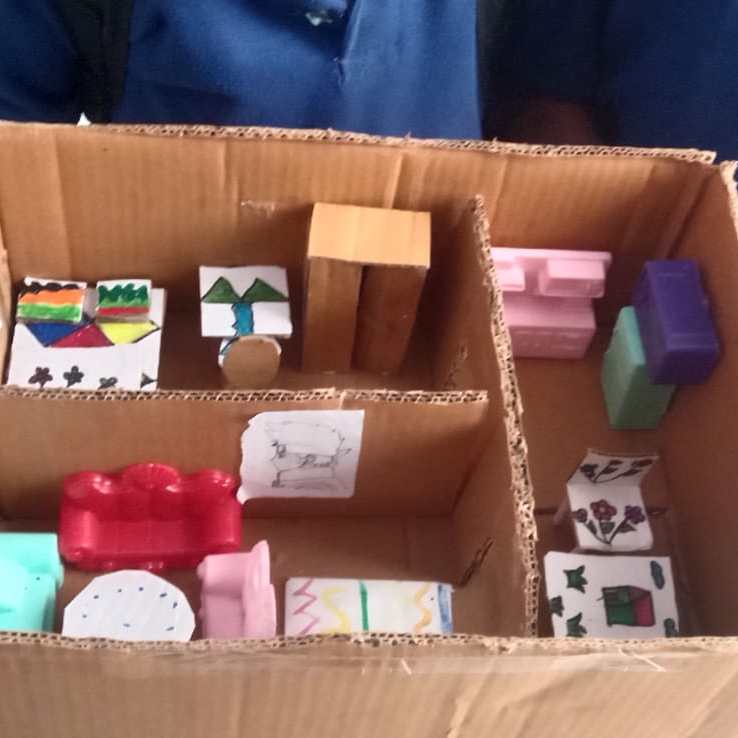
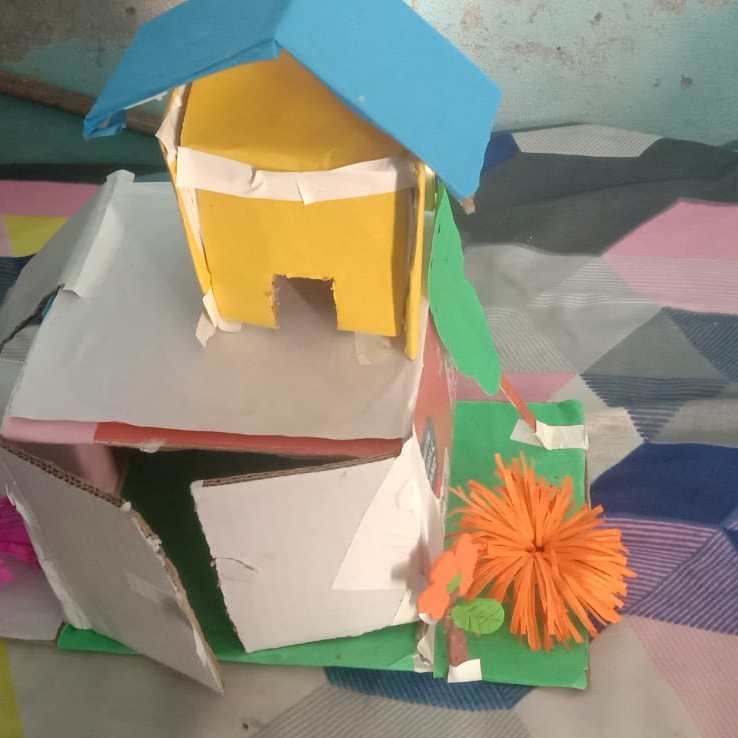
The camp featured a variety of activities, including drawing and colouring, paper crafts, and “Best Out of Waste” sessions. Using simple and recycled materials, children created a wide range of artworks, crafts, and innovative models, demonstrating remarkable imagination and creativity. These activities encouraged children to think creatively while also fostering environmental awareness and responsible reuse of resources.
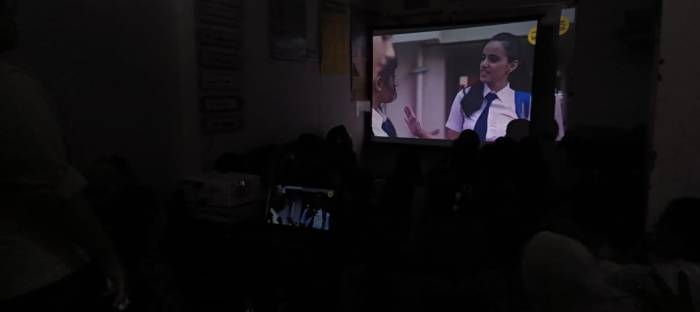
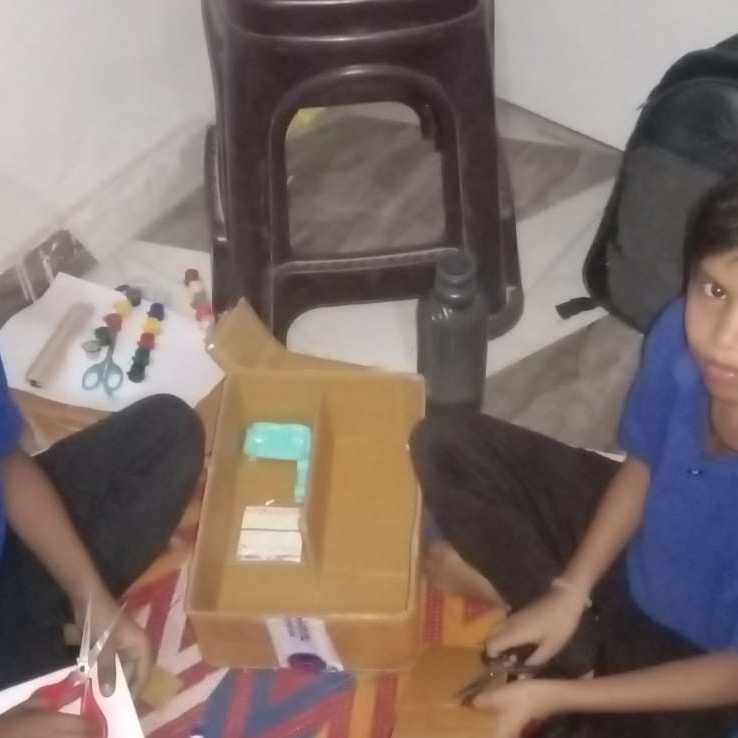
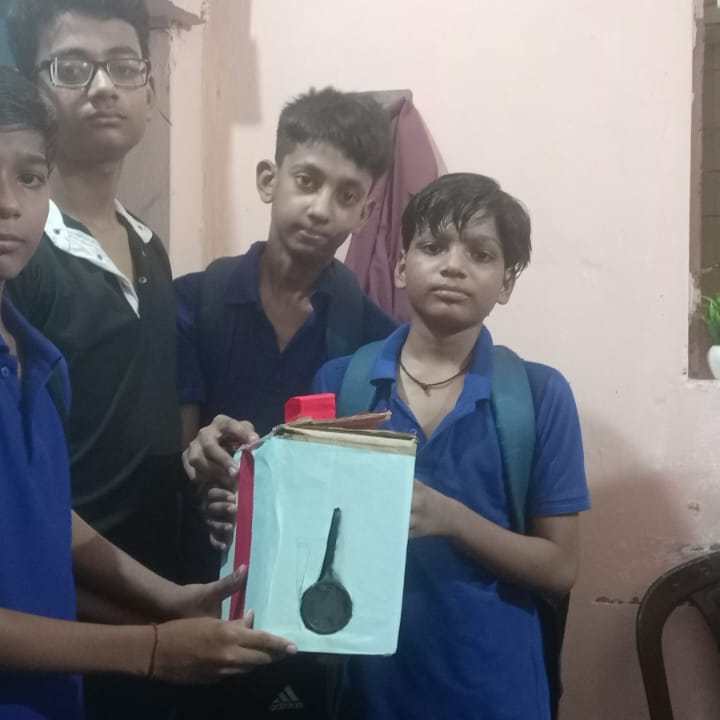
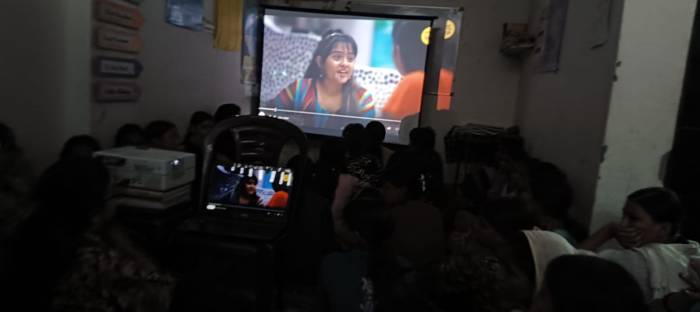
One of the most notable highlights of the camp was the creation of a functional projector made entirely from cardboard, a magnifying glass, and a smartphone. What began as a simple hands-on activity soon evolved into an exciting exercise in innovation and teamwork. Working together, the children designed and assembled the projector, learning how basic scientific principles can be applied using readily available materials.
Overall, the summer camp served as a valuable platform for experiential learning, strengthening children’s creativity, confidence, teamwork, and problem-solving abilities while making the learning process both meaningful and enjoyable.
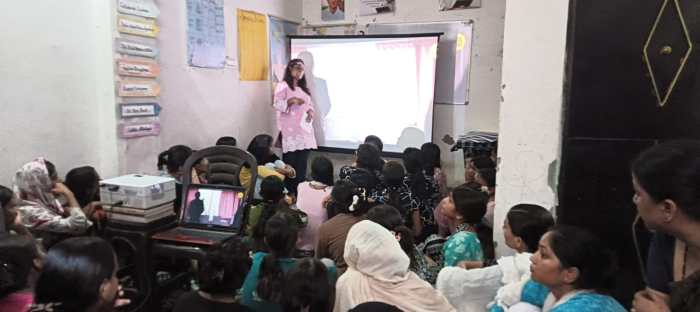
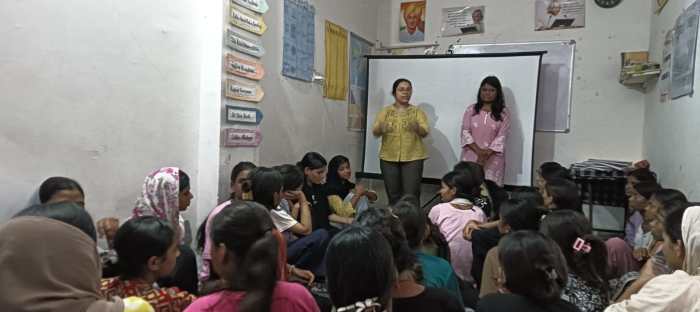
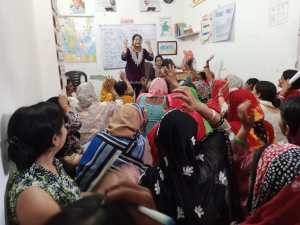
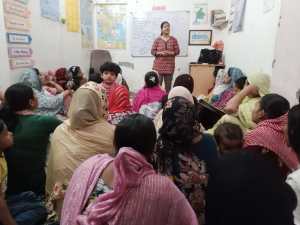
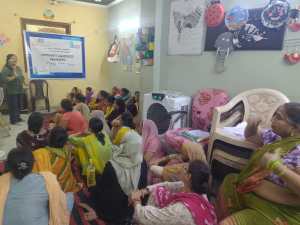
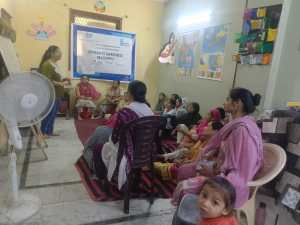
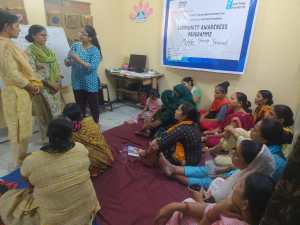
The Invisible Strength was an interactive workshop designed to create a safe and supportive space for participants to reflect on their personal journeys, recognize their strengths, and celebrate the resilience that often remains unseen.
The session commenced with a light-hearted icebreaker activity, Pass the Ball, which encouraged participants to connect with one another and build a sense of comfort and familiarity within the group. What began as simple conversations gradually evolved into deeper discussions, laying the foundation for meaningful engagement throughout the workshop.
A key activity, Museum of My Life, invited participants to revisit different chapters of their lives and reflect on experiences that have shaped them. Through this exercise, participants explored significant moments, acknowledged personal achievements, and recognized the growth that emerged from challenges and transitions.
The workshop also featured Emotional Survival Toolkit, an activity that encouraged participants to identify the people, practices, personal qualities, and sources of support that help them navigate difficult situations. By reflecting on these resources, participants gained a greater appreciation of the strengths and coping strategies they already possess.
Another reflective exercise, Red LightโGreen Light, provided an opportunity for participants to examine thoughts, behaviours, and patterns that may either hinder or support their progress. The activity encouraged individuals to consider what they wished to leave behind and what they wanted to actively carry forward in their lives.
Throughout the workshop, participants engaged in thoughtful discussions, shared personal insights, and supported one another in an atmosphere of trust and mutual respect. The activities highlighted that resilience is not always visible, yet it is present in the ways individuals adapt, persevere, heal, and continue moving forward despite adversity.
The Invisible Strength served as a powerful reminder that courage, hope, and growth often exist beneath the surface, shaping our journeys in ways that may go unnoticed but deserve recognition and celebration.
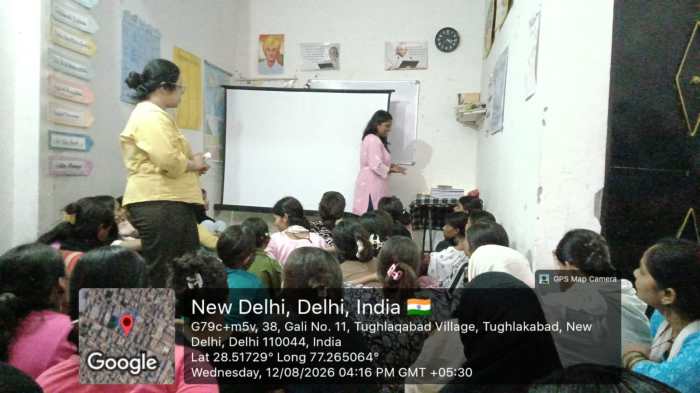
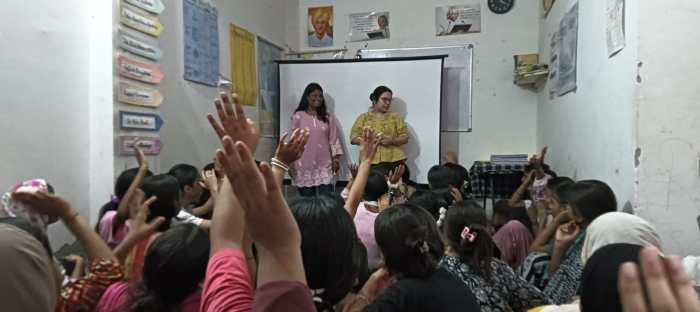
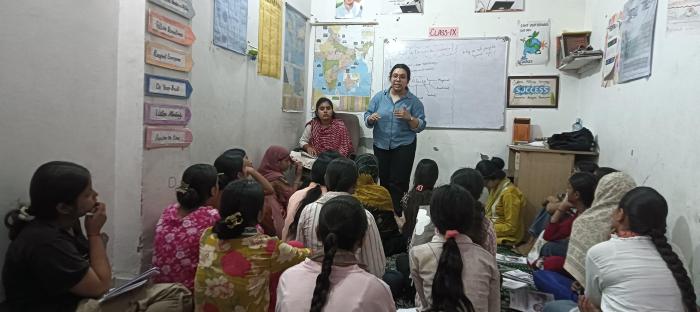
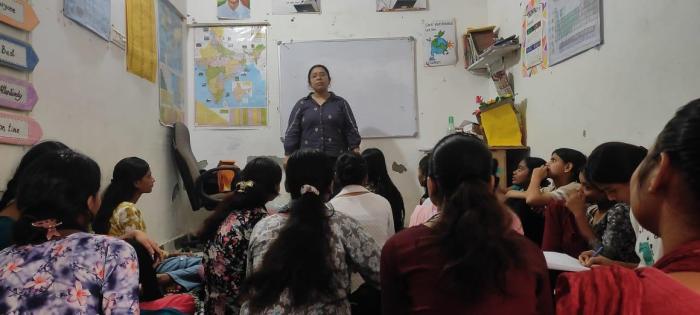
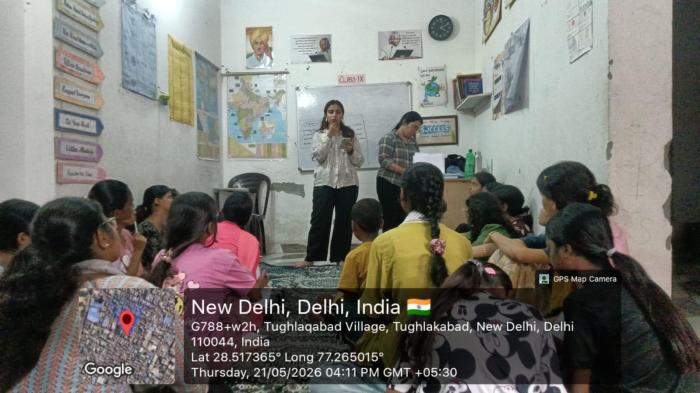
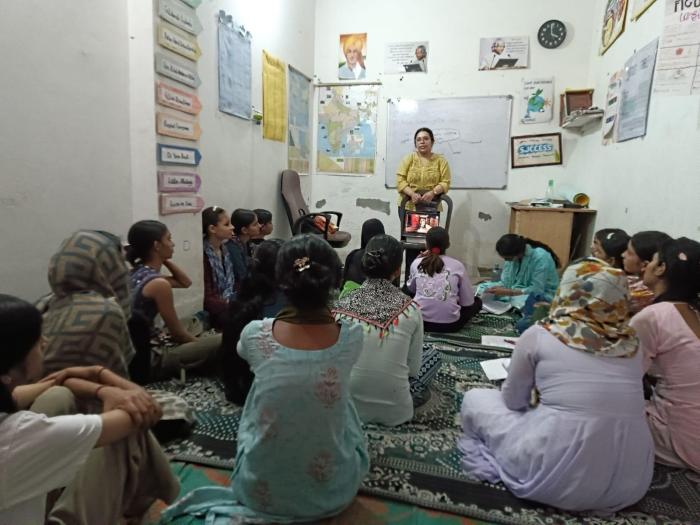
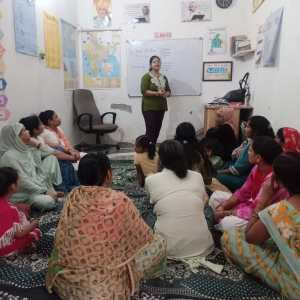
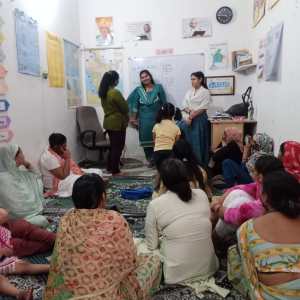
STOP conducted two Career Counselling Sessions in its Tigri and Tughlakabad communities for around 40 adolescents to raise awareness about educational and career opportunities available after Classes 10 and 12. The sessions aimed to encourage adolescents to make informed decisions regarding their education, skills, and future career pathways.
Narayani Bhattacharya, Project Coordinator, conducted a session on opportunities available after Class 12. The session focused on higher education pathways through NIOS, SOL, and regular colleges, along with information on scholarships available from Class 10 onwards. Adolescents were also introduced to various online course opportunities that could support their learning and skill development.
Paridhi Negi, Project Associate, conducted a session on the different options available after Class 10. The discussion included vocational studies, ITI courses, various academic streams, and different schools of thought that lead to specific career pathways. Participants were guided on understanding the scope and opportunities associated with each option.
The sessions witnessed active participation from adolescents and contributed towards strengthening awareness about higher education, vocational learning, career planning, and informed decision-making for the future.
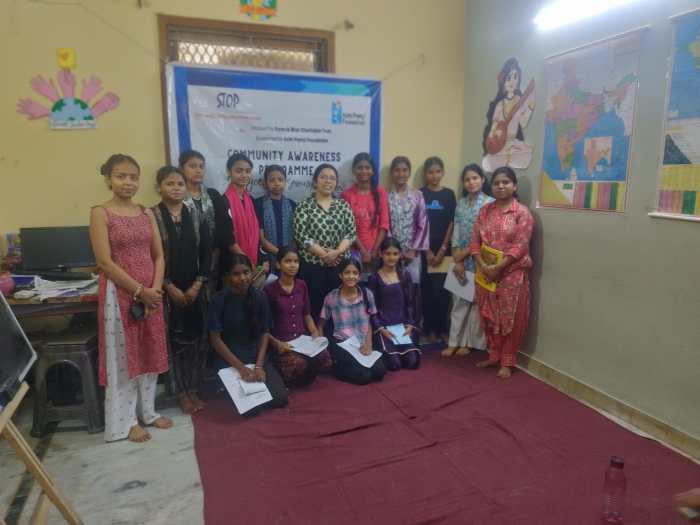
The STOP Office Test conducted on 17 April 2026 witnessed enthusiastic participation from students across the Tigri and Tughlakabad communities. We are proud to recognize the students who performed exceptionally well in the assessment.
Students from Tughlakabad
Azaz Idrishi, Alina, Naziya, Pari, Firdos, and Zoya
Students from Tigri
Hussain, Janvi, Anshuman, Insha, Prachi, and Bhoomi
The students were appreciated for their hard work and dedication through special appreciation envelopes presented by Retired IAS Officer, Amitava Bhattacharyya.
Their achievements reflect the spirit of perseverance, learning, and growth encouraged through the STOP programme. We congratulate all the students and wish them continued success in their educational journey.
A regional seminar on strengthening anti-human trafficking and child protection mechanisms was held on 24 March 2026 in Almora, Uttarakhand, organized by STOP (Stop Trafficking and Oppression of Children & Women) under The Ramola Bhar Charitable Trust, in collaboration with SPARDHA. The programme brought together key stakeholders from government, law enforcement, and civil society to address the growing vulnerability of the Kumaon region to human trafficking.
The seminar was opened by Dr. Vijaya Rani Dondhoiyal, who welcomed participants and outlined the objectives of the programme. A message from Prof. Roma Debabrata, Founder, STOP, emphasized the need for collective action. Setting the context, Ms. Smritikana Ghosh Paul, Executive Director, STOP, highlighted human trafficking as a complex and evolving crime driven by poverty, migration, social vulnerabilities, and cyber risks, with Uttarakhand particularly at risk due to its geographic and socio-economic conditions.
Key dignitaries including Ravi Pandita (DIG, ITBP), Yukta Mishra (ADM, Almora), Phool Singh Meena (SSB), Dr. Naveen Chand Joshi, and Arun Varma shared critical insights on border security, community participation, trafficking through fraudulent practices such as marriage, and the role of responsible tourism. Their inputs underscored the importance of coordinated enforcement, sensitive handling of victims, and the use of digital platforms for awareness and reporting.
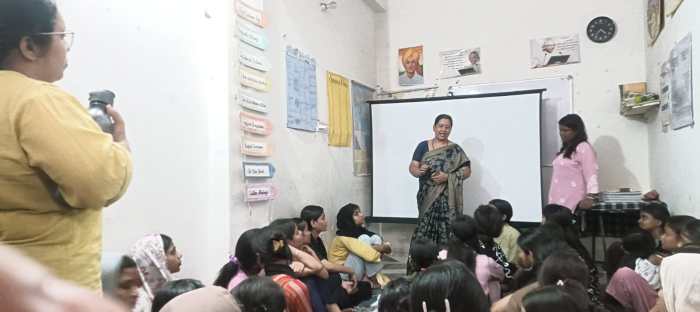
Discussions involving institutional bodies such as the Anti-Human Trafficking Units (AHTUs), District Child Protection Unit (DCPU), Mahila Kotwali, and Cyber Cell highlighted rising trafficking trends linked to migration, poverty, and lack of awareness, along with the increasing use of online platforms by traffickers. While strong legal frameworks exist, gaps in implementation, coordination, and reporting continue to hinder effective response.
Civil society organizations including SPARDHA, Mahila Haat, Adi Kailash Foundation, ABHILASHA, GRASS, and Bharat Gyan Vigyan Samiti emphasized the urgent need to break stigma, expand outreach in remote areas, and strengthen rehabilitation systems. The discussions highlighted persistent challenges such as underreporting, socio-economic vulnerabilities, inadequate long-term support for survivors, and weak referral mechanisms, which increase the risk of re-trafficking.
The seminar also underscored the growing link between cybercrime and trafficking, noting the need for greater digital awareness and monitoring. Participants stressed the importance of multi-level prevention strategies, including awareness programmes in schools and communities, stronger parental engagement, and accessible reporting systems. One of the sessions within this workshop was moderated by and Paridhi Negi, Project Associate.
Concluding with an interactive session moderated by Ms. Poonam Chaudhary, Field Coordinator . The programme identified key gaps and actionable strategies, reinforcing that sustained collaboration between government bodies, civil society, and communities is essential. The seminar served as a platform for collective reflection and action, reaffirming the commitment to building a stronger and more responsive child protection ecosystem in the Kumaon region.
STOP successfully conducted a one-day programme in Almora, Uttarakhand, aimed at strengthening anti-human trafficking responses and child protection systems in the Kumaon region. The programme brought together a diverse group of stakeholders including government officials, law enforcement agencies, academicians, and representatives from civil society and community-based organizations.
The session opened with a virtual address by Prof. Roma Debabrata, Founder of Ramola Bhar Charitable Trust โ Project STOP, who outlined the objectives of the programme and emphasized the need for collaborative, multi-sectoral approaches to address human trafficking. The initiative was further reinforced by the presence of senior officials, who highlighted the importance of convergence and actionable planning in tackling trafficking at both policy and ground levels.
Discussions during the programme focused on regional challenges, particularly cross-border vulnerabilities, and the urgent need for preventive strategies through awareness generation at the community and school levels. Stakeholders engaged in in-depth deliberations on trafficking trends, vulnerable populations, and existing legal frameworks, bringing forward practical insights from field experiences.
The programme featured dedicated sessions with representatives from Anti-Human Trafficking Units (AHTUs), government departments, NGOs, and CBOs. An interactive open forum with representatives from the Child Welfare Committee (CWC), Juvenile Justice Board (JJ Board), and Cyber Cell enabled participants to identify systemic gaps and propose actionable recommendations. These sessions emphasized strengthening coordination between agencies, enhancing community-based interventions, and building more responsive protection mechanisms.
Members of Project STOP played a central role in facilitating the programme. The team included Smritikana Ghosh Paul (Executive Director), Poonam Chaudhary (Field Coordinator), and Paridhi Negi (Project Associate), who supported coordination, stakeholder engagement, and knowledge exchange throughout the event. The programme also saw active participation from experts and practitioners such as Prof. Ila Shah and Gopal Singh Chauhan, along with partners from Spardha including Kailash Rautela and Anita Lohani.
The discussions contributed to the development of a preliminary action framework aimed at improving prevention, protection, and response systems. With participation from over 90 stakeholders, the programme served as a significant step towards strengthening integrated, multi-stakeholder efforts to combat human trafficking and enhance child protection mechanisms in the region.
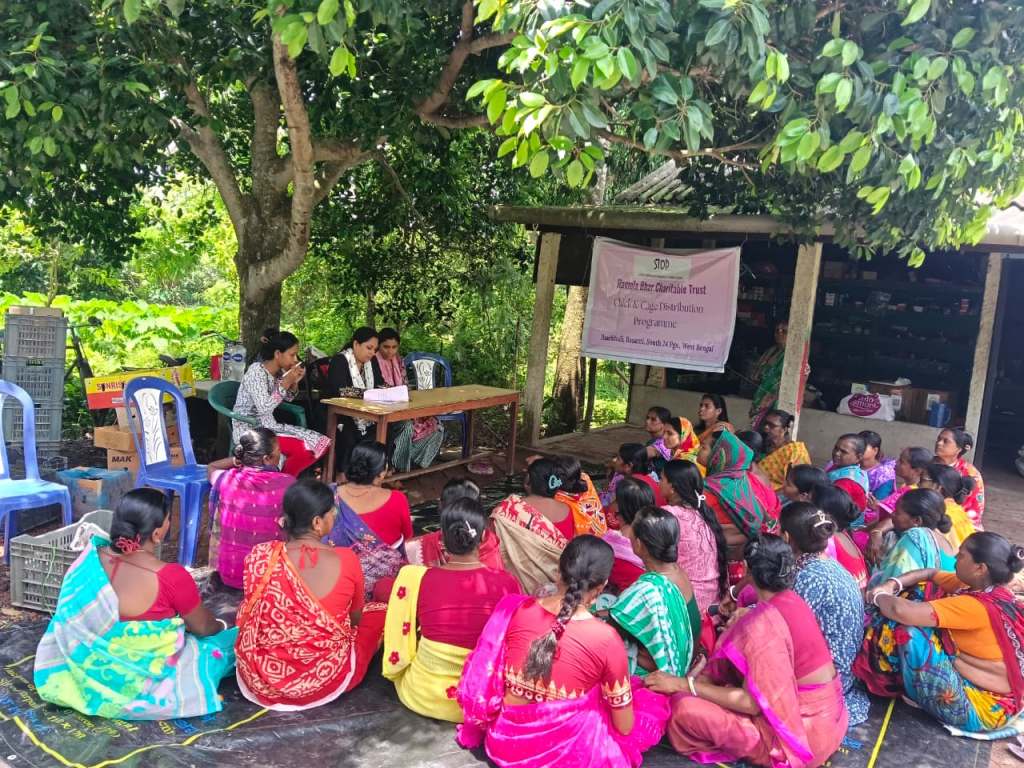
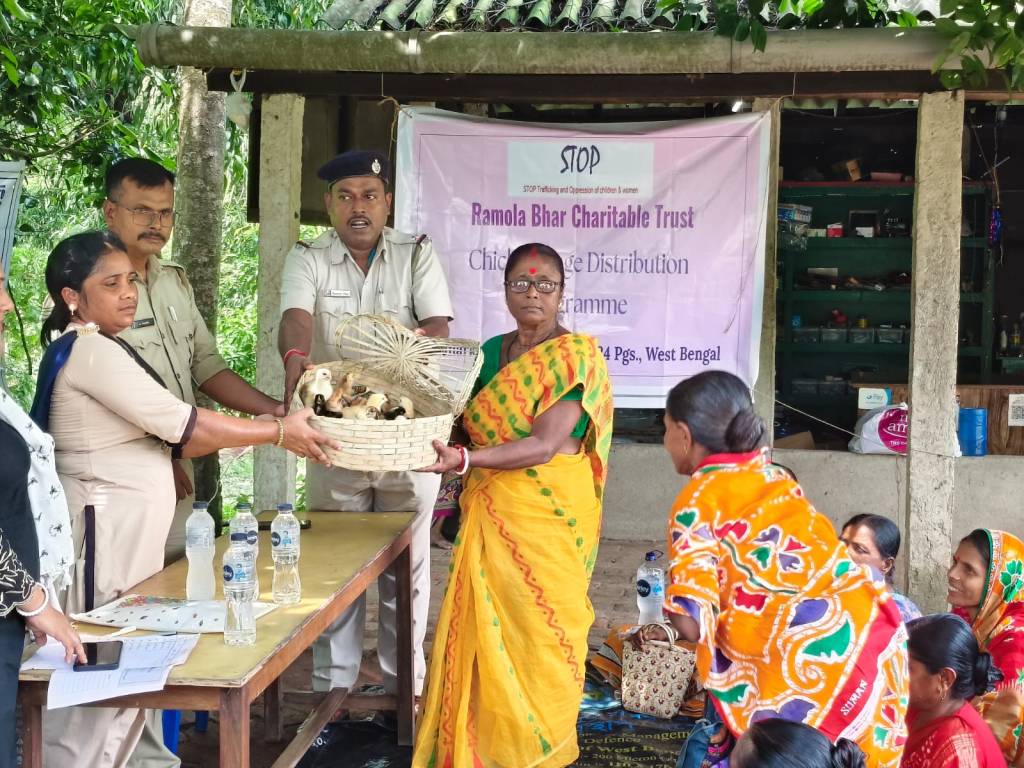
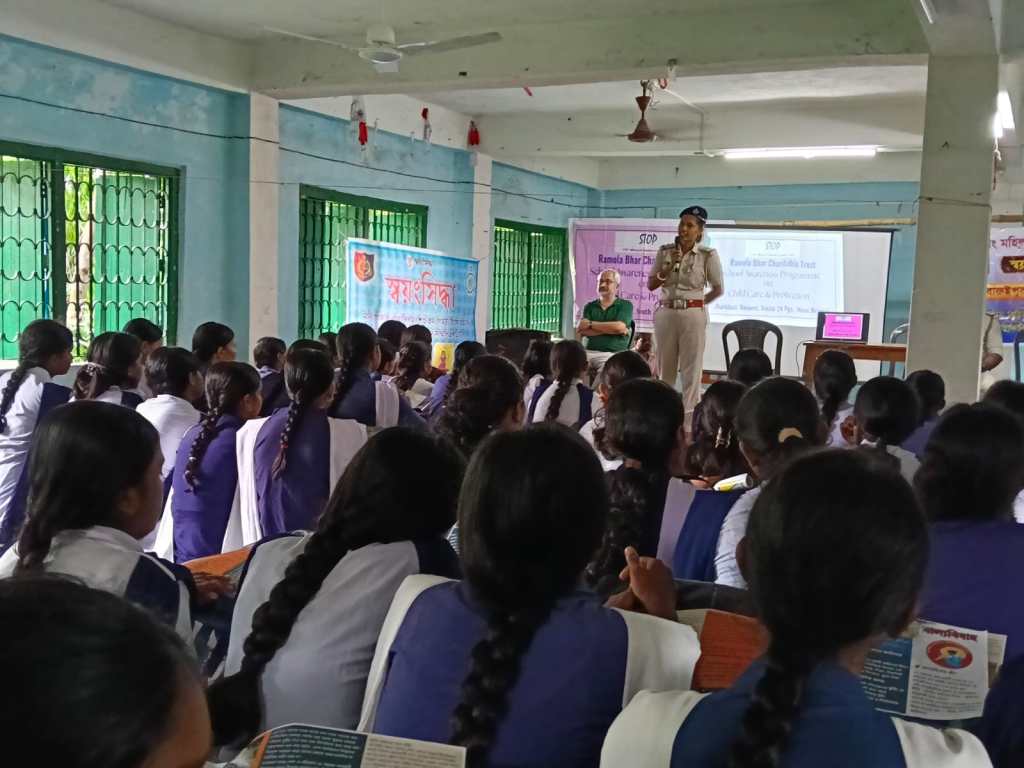
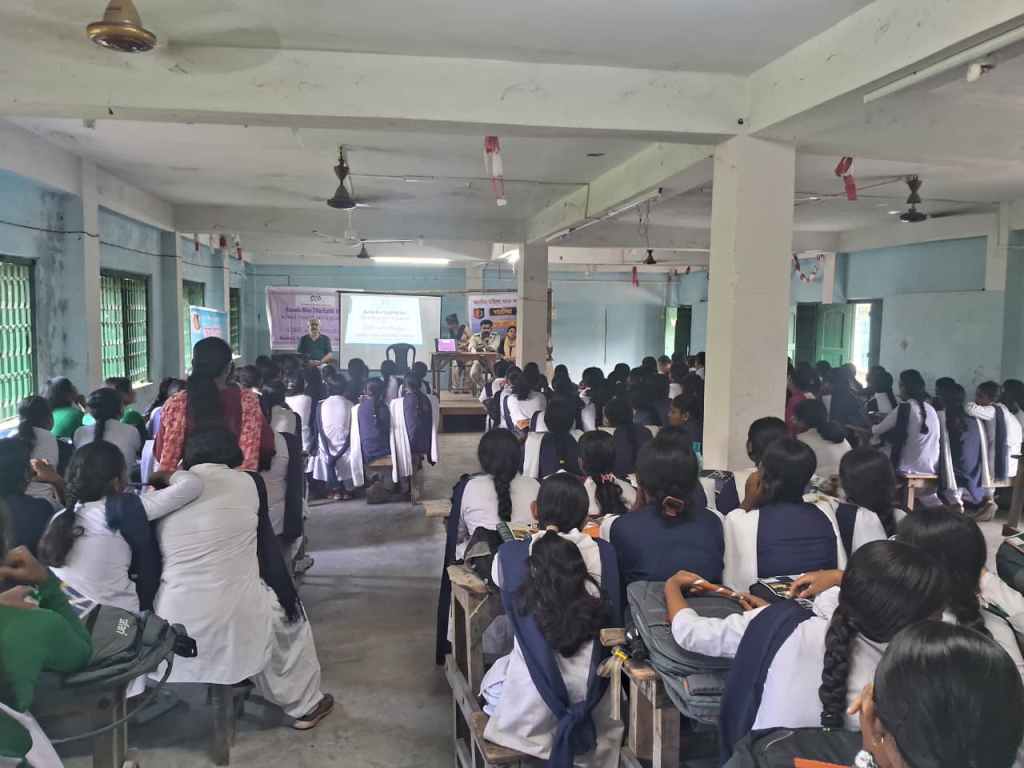
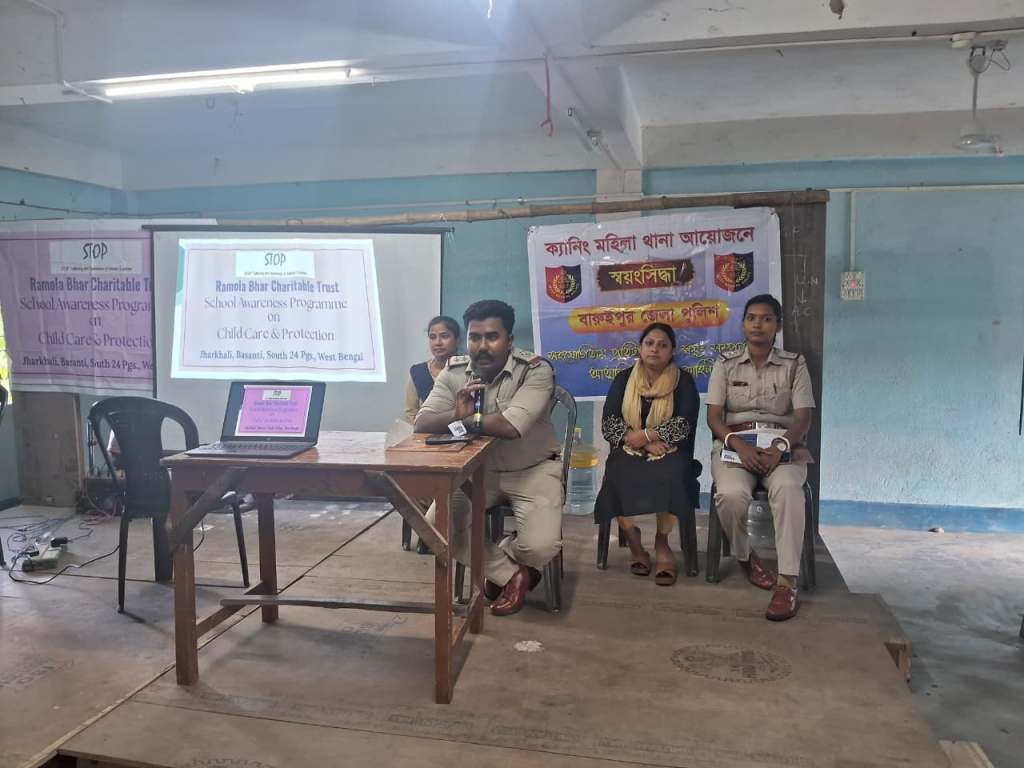
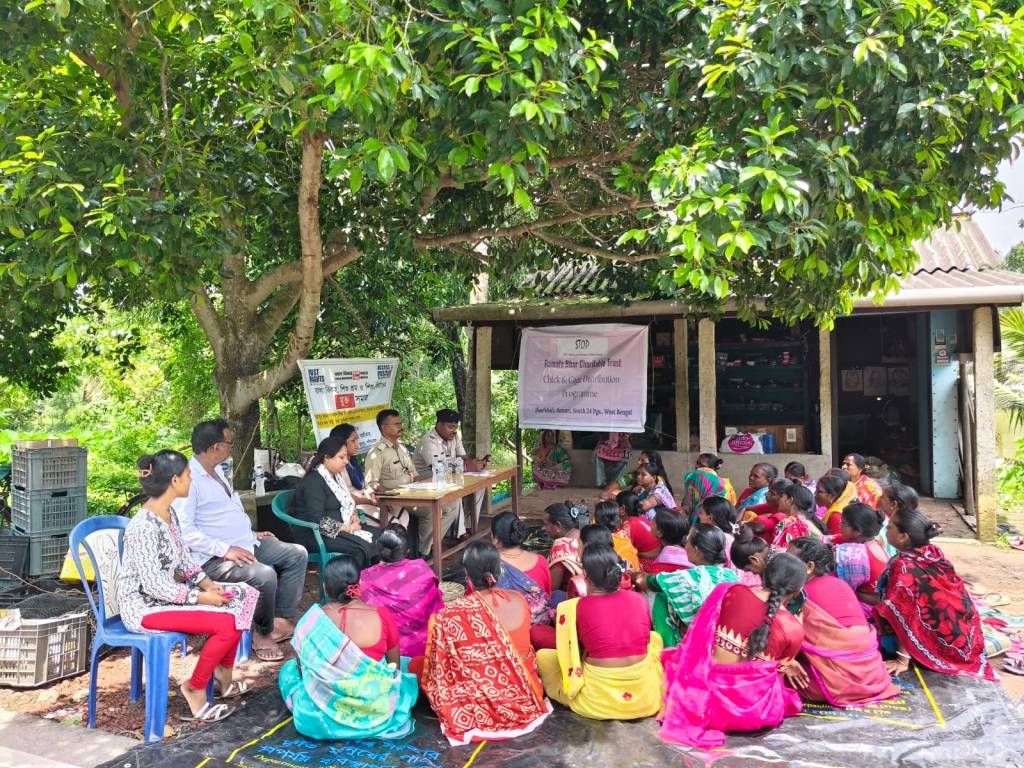
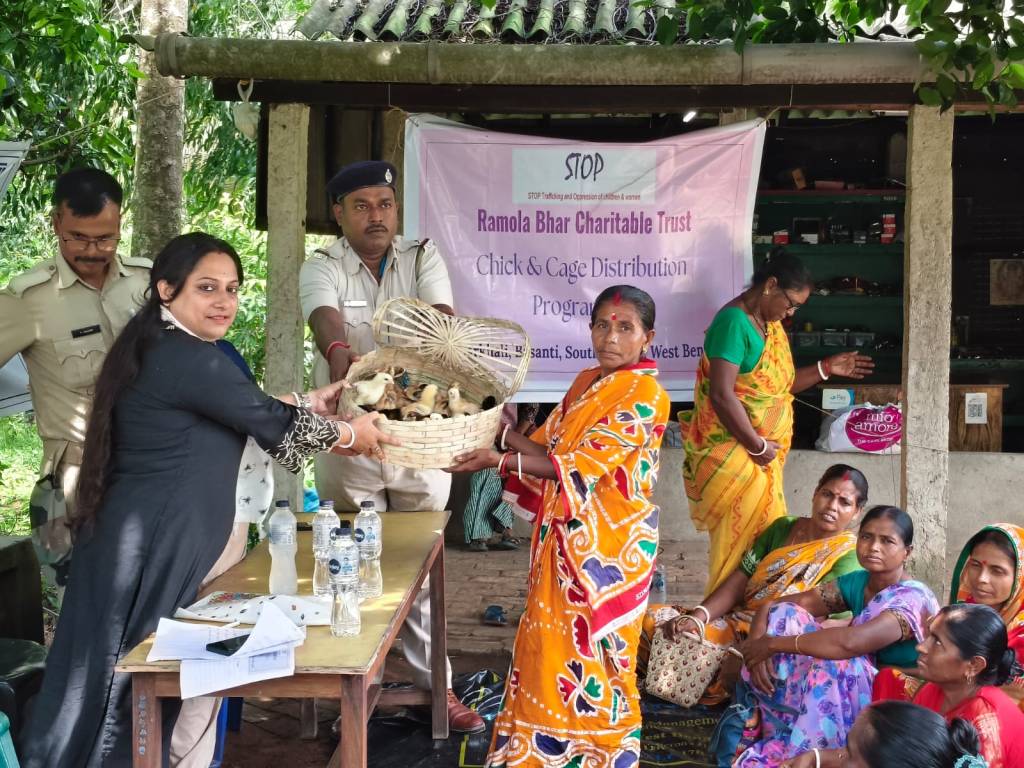
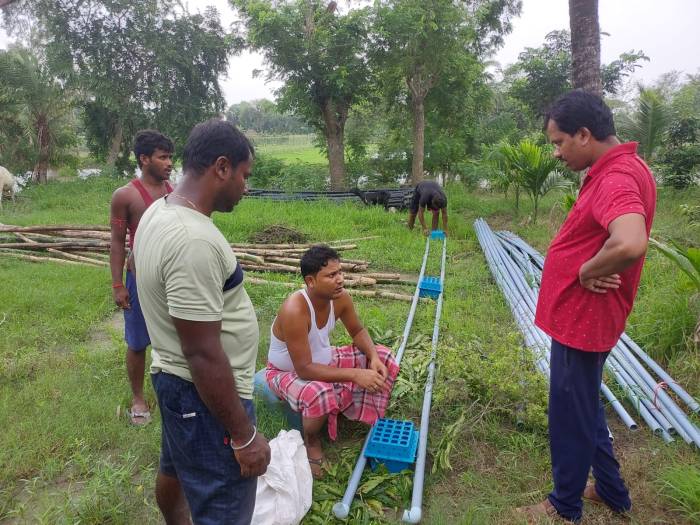
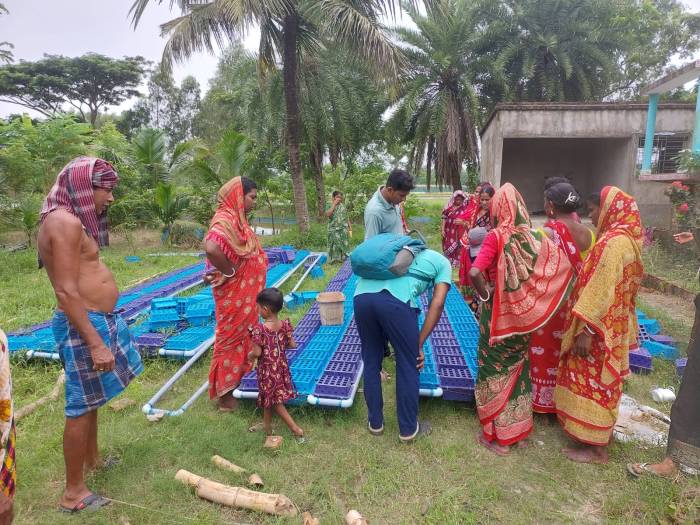
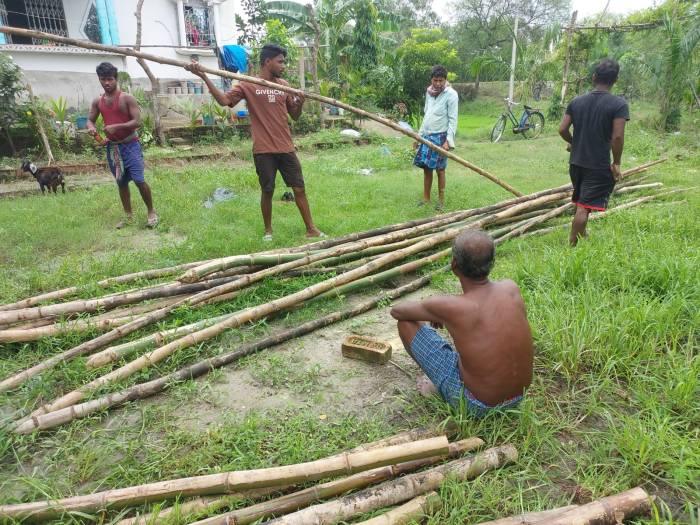
RBCTโs Project STOP team conducted a field visit to the Sundarbans region to strengthen community engagement, assess ongoing work, and introduce sustainable livelihood opportunities for at-risk women.
What We Did
Community Mobilisation
Engaged with women and local stakeholders in Jharkhali and Kultali
Formed Self-Help Groups (SHGs) to promote collective savings and income generation
Livelihood Initiatives
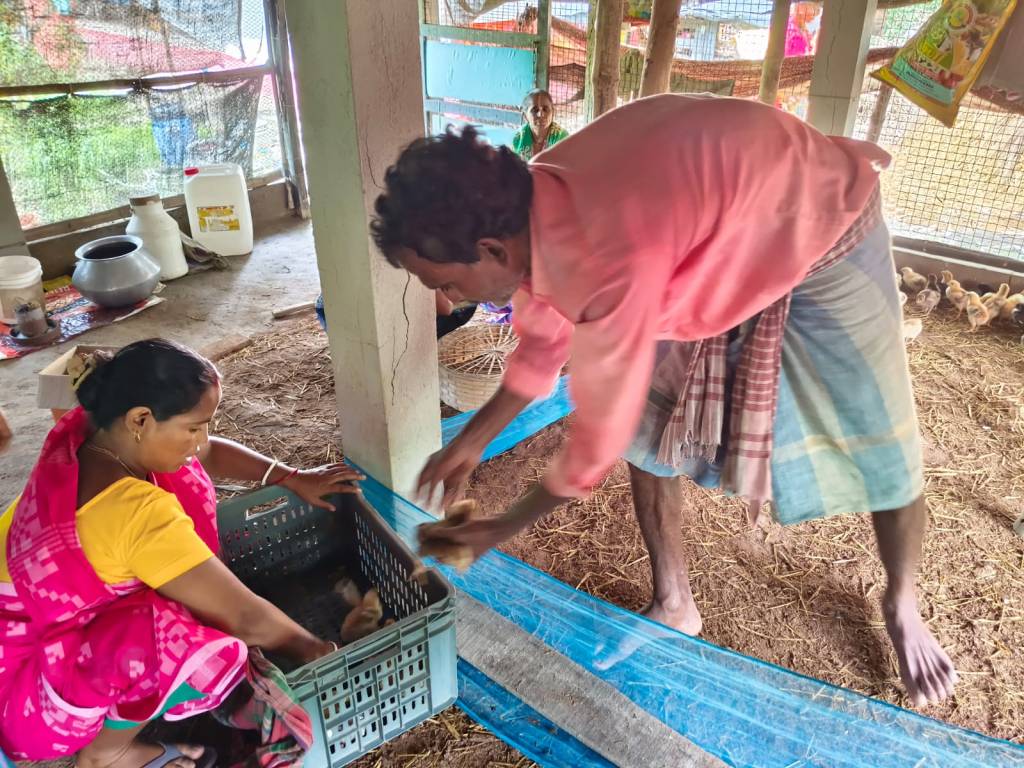
Introduced poultry farming as an immediate income-generating activity
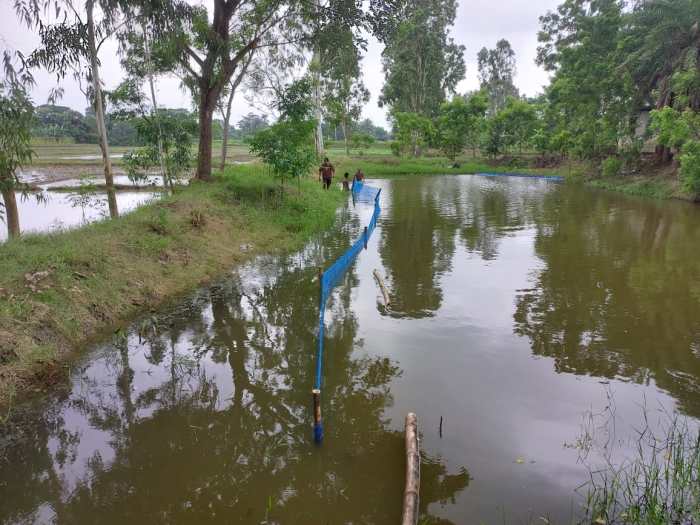
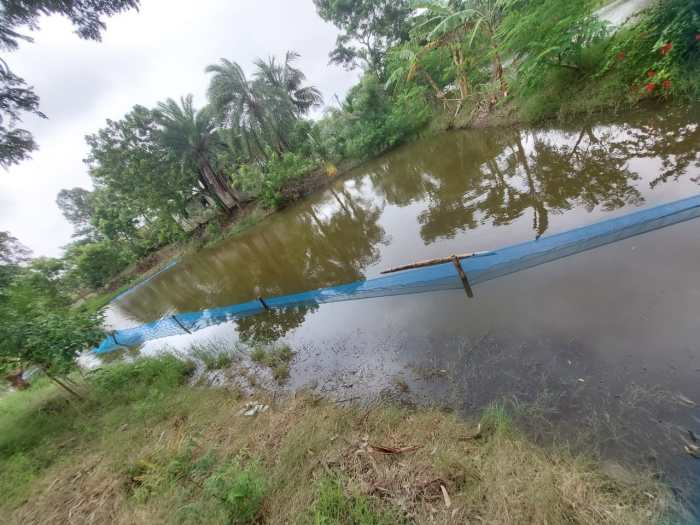
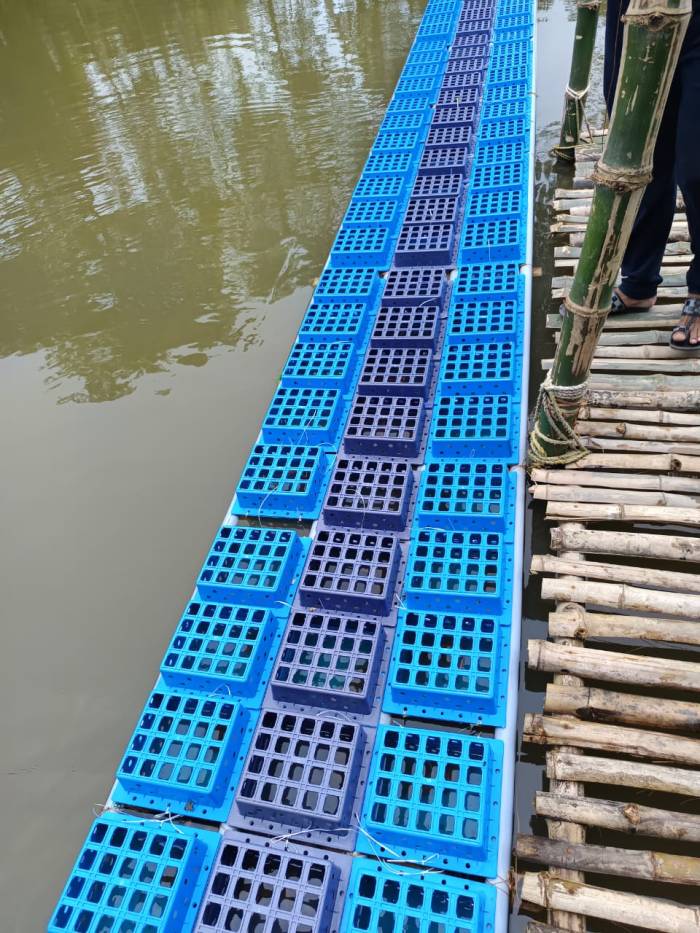
Explored crab farming as a seasonal livelihood option (planned for monsoon implementation)
Awareness Building
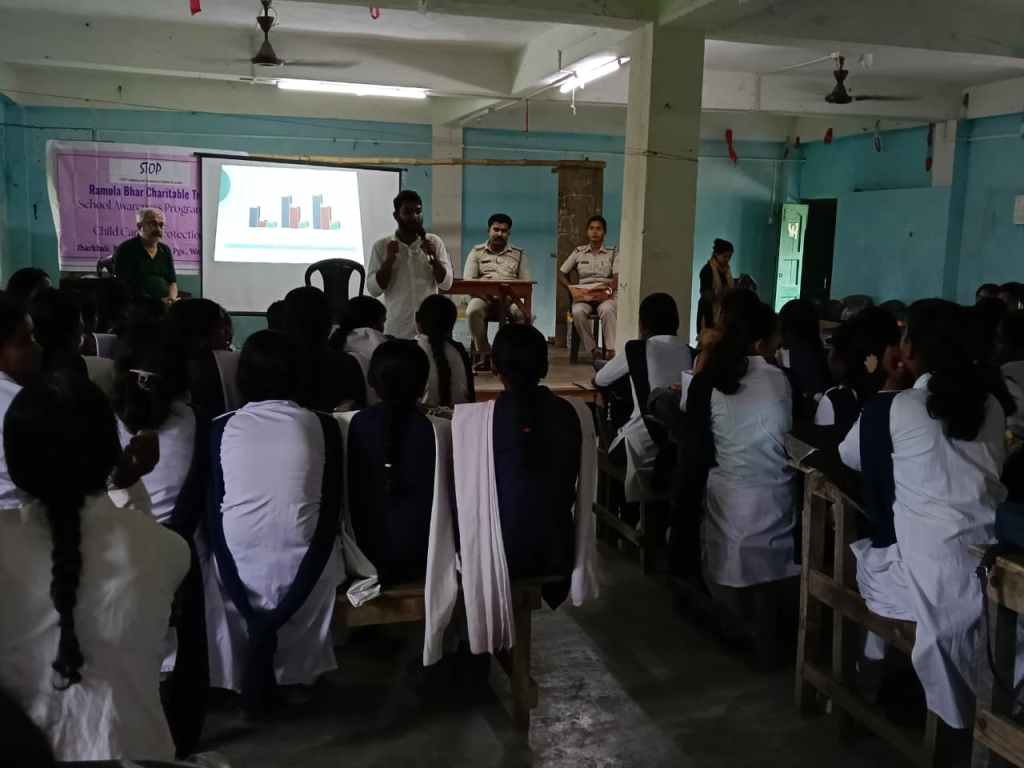
Conducted sessions on early marriage and community responsibility
Engaged local authorities to strengthen awareness and prevention
Capacity Building
Planned skill-based training for women in poultry and crab farming
Strengthened local coordination for future programme delivery
Key Outcomes
Women organized into structured Self-Help Groups
Immediate livelihood option (poultry) initiated
Seasonal livelihood model (crab farming) identified and planned
Increased awareness on critical social issues
Stronger field coordination and implementation planning
Impact
This visit strengthened grassroots connections and laid the groundwork for sustainable, community-led livelihoods. By combining awareness, organisation, and income opportunities, the initiative moves toward long-term resilience and empowerment of vulnerable communities in the Sundarbans.
STOP participated in the state-level consultation โA Journey from Bondage to Freedom,โ organized by the Society for Participatory Integrated Development (SPID) on 12 February 2026 at the Constitution Club of India, New Delhi. The consultation brought together government departments, statutory bodies, and civil society organizations to strengthen coordination on child protection, trafficking, and bonded labour, while also marking 50 years of the Bonded Labour System (Abolition) Act, 1976.
Representing STOP, Field Coordinator Poonam Choudhary attended the consultation and engaged in the discussions.
During the interactive session, STOP raised a key concern about the common practice of delaying the registration of FIRs in missing person cases for up to 24 hours. The question highlighted the risks such delays can create, particularly when a missing person may be vulnerable to trafficking or exploitation.
Responding to the query, Ridhima from the Special Police Unit for Women and Children (SPUWAC) noted that in some casesโsuch as elopementโthe absence may be voluntary and the individual may return within a short time. J. B. Oli added that this possibility is one reason authorities sometimes wait before formally registering an FIR.
The consultation served as a platform for dialogue between government agencies and civil society on strengthening systems of protection. STOP used the opportunity to bring field-level concerns about delays in missing person cases into the discussion.
On the 28th of January, 2026, STOP was invited by the British High Commission to its Consular Reception. The organization was presented by Ms. Narayani Bhattacharya, Project Coordinator and Ms. Paridhi Negi, Project Associate. The meet introduced many well known organizations to each other to create a stronger networks amongst social changemakers.
On 20 January 2026, a jacket distribution programme was organised at Tigri for the students of RBCTโSTOP. The initiative aimed to support students during the winter season and ensure their comfort and well-being while attending educational and community activities. The presence of the distinguished guests encouraged the students and highlighted the importance of collective efforts in promoting child welfare and education.