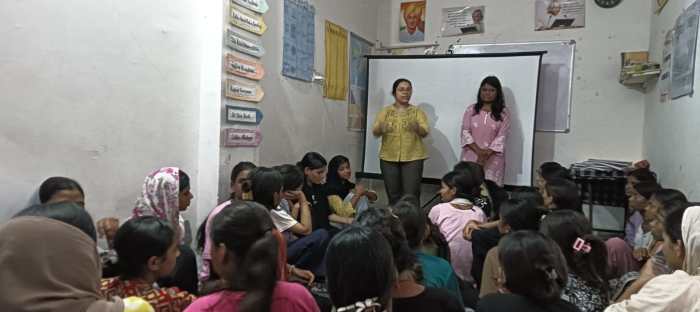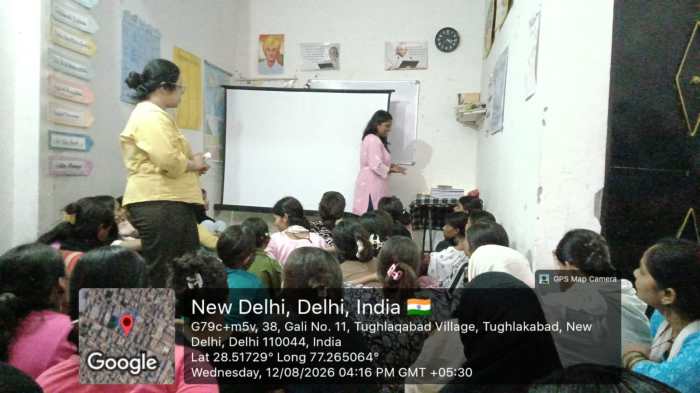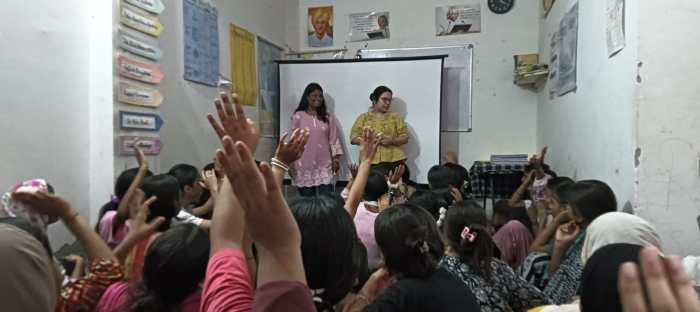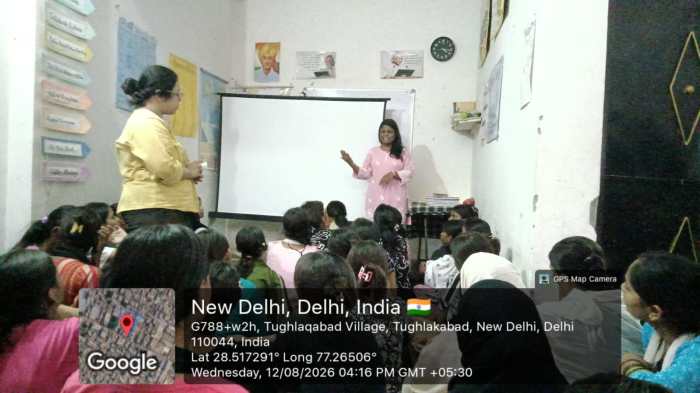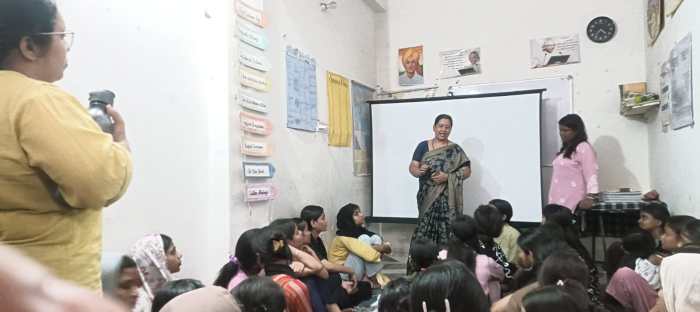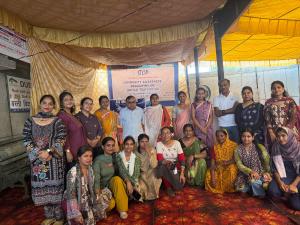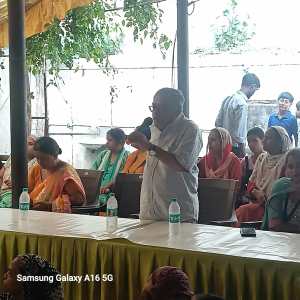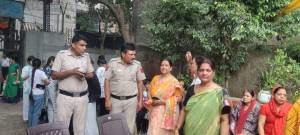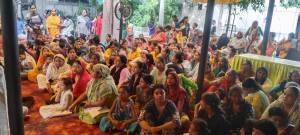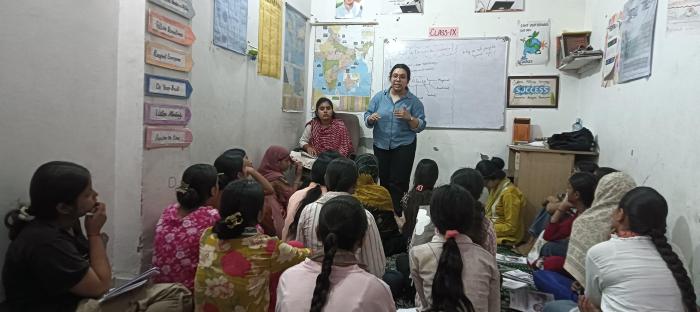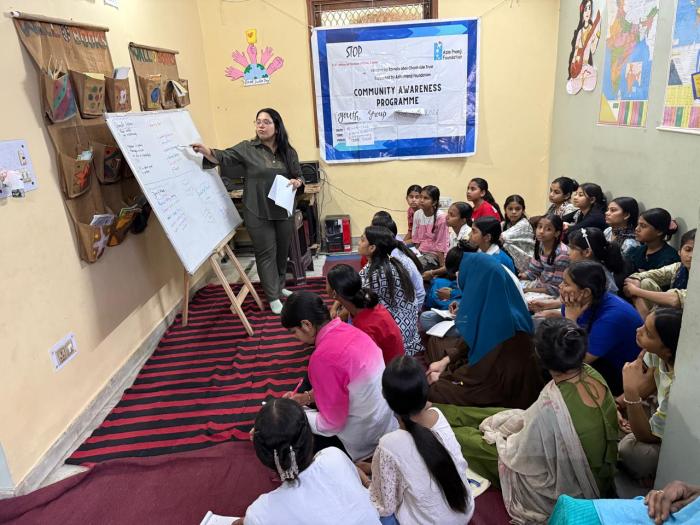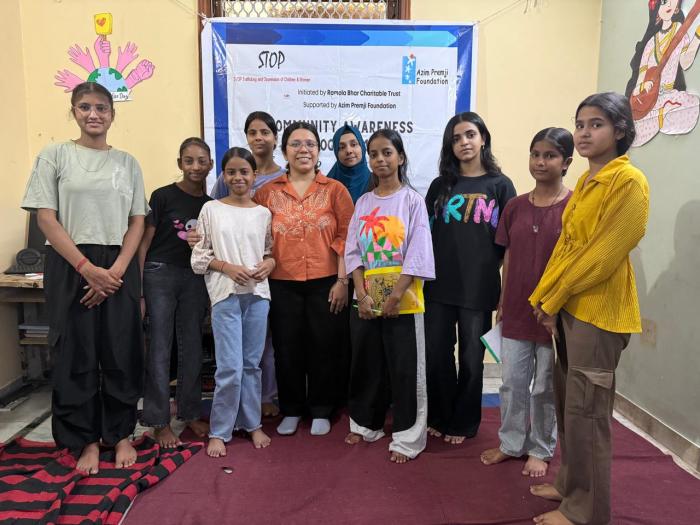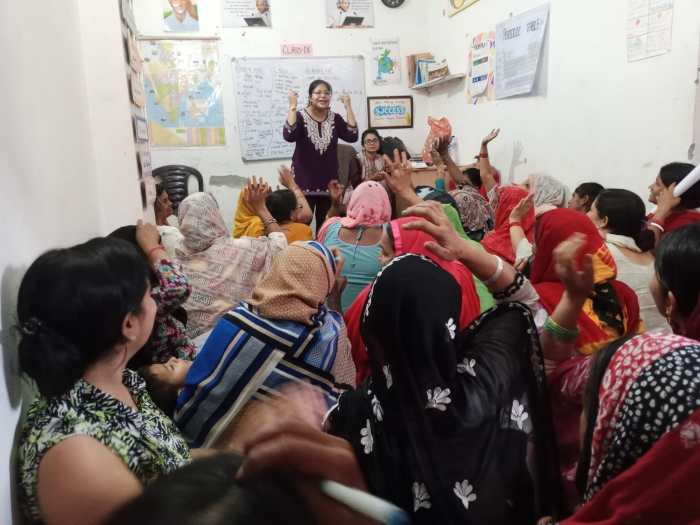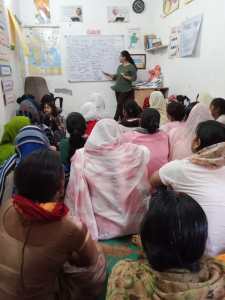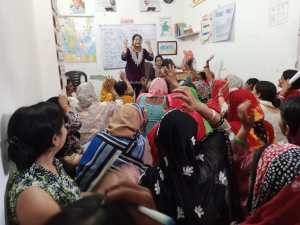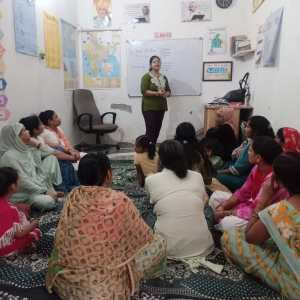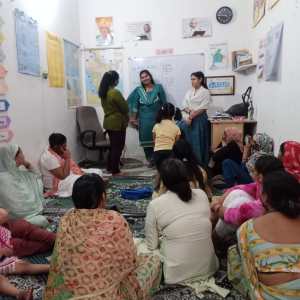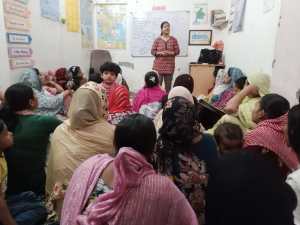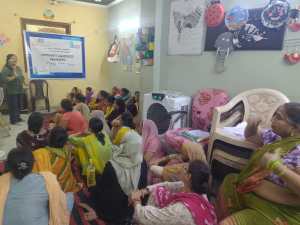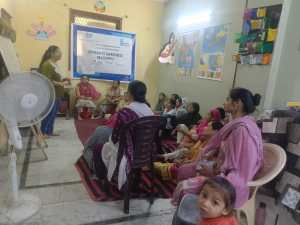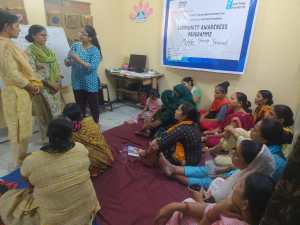
As part of its community awareness and empowerment activities, STOP organised a series of exposure visits for women from the Tigri and Tughlakabad communities during May, June and July 2026. These visits provided women with an opportunity to interact directly with public institutions and service providers and gain practical knowledge about services available to them.
The visits focused on legal awareness, access to government services, financial literacy and women’s access to public welfare facilities. Through direct interaction, demonstrations and discussions, participants were encouraged to ask questions, understand procedures and become more confident in accessing these services independently.
Tigri Community
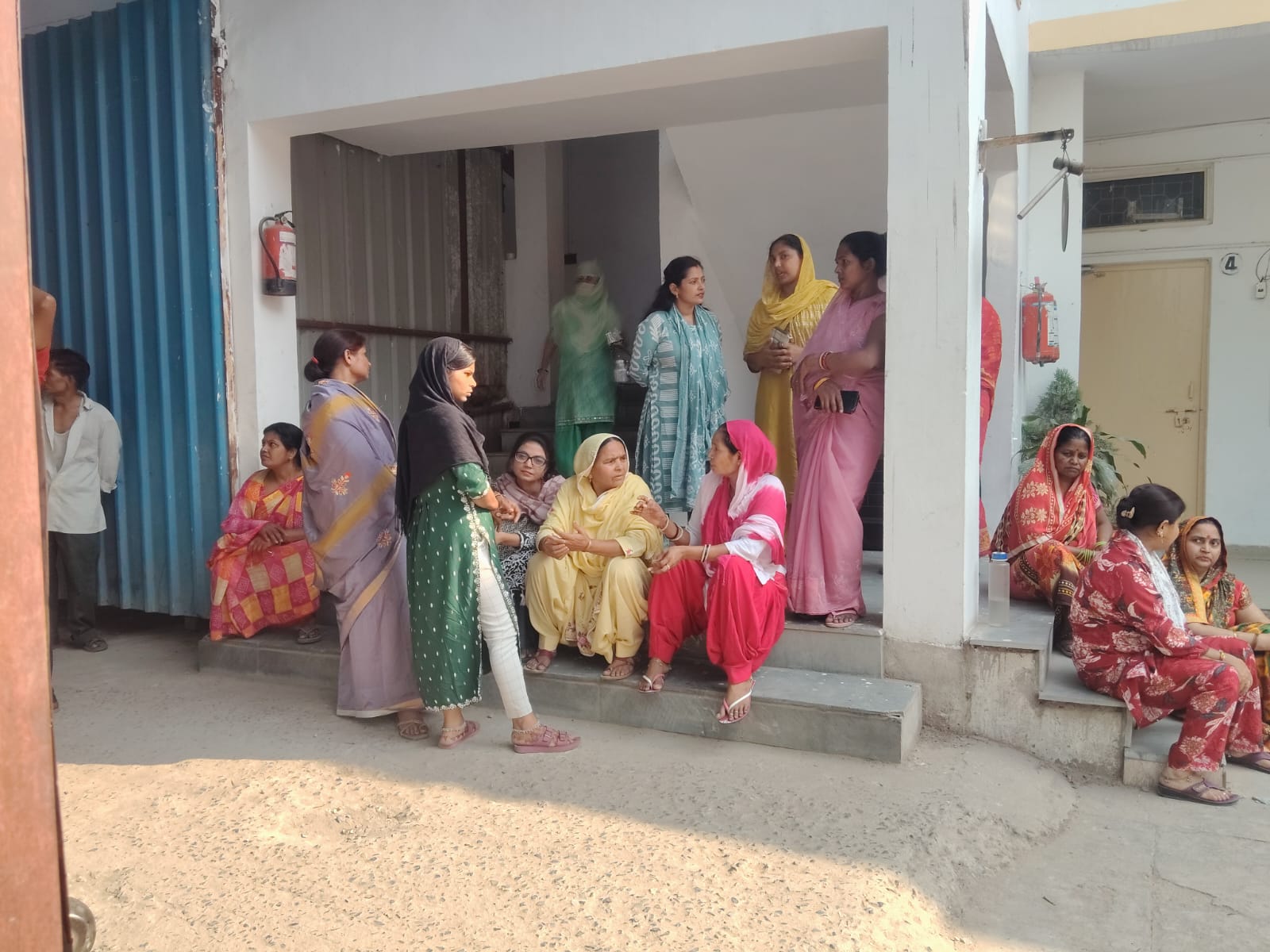
Police Station, Tigri | 7 May 2026
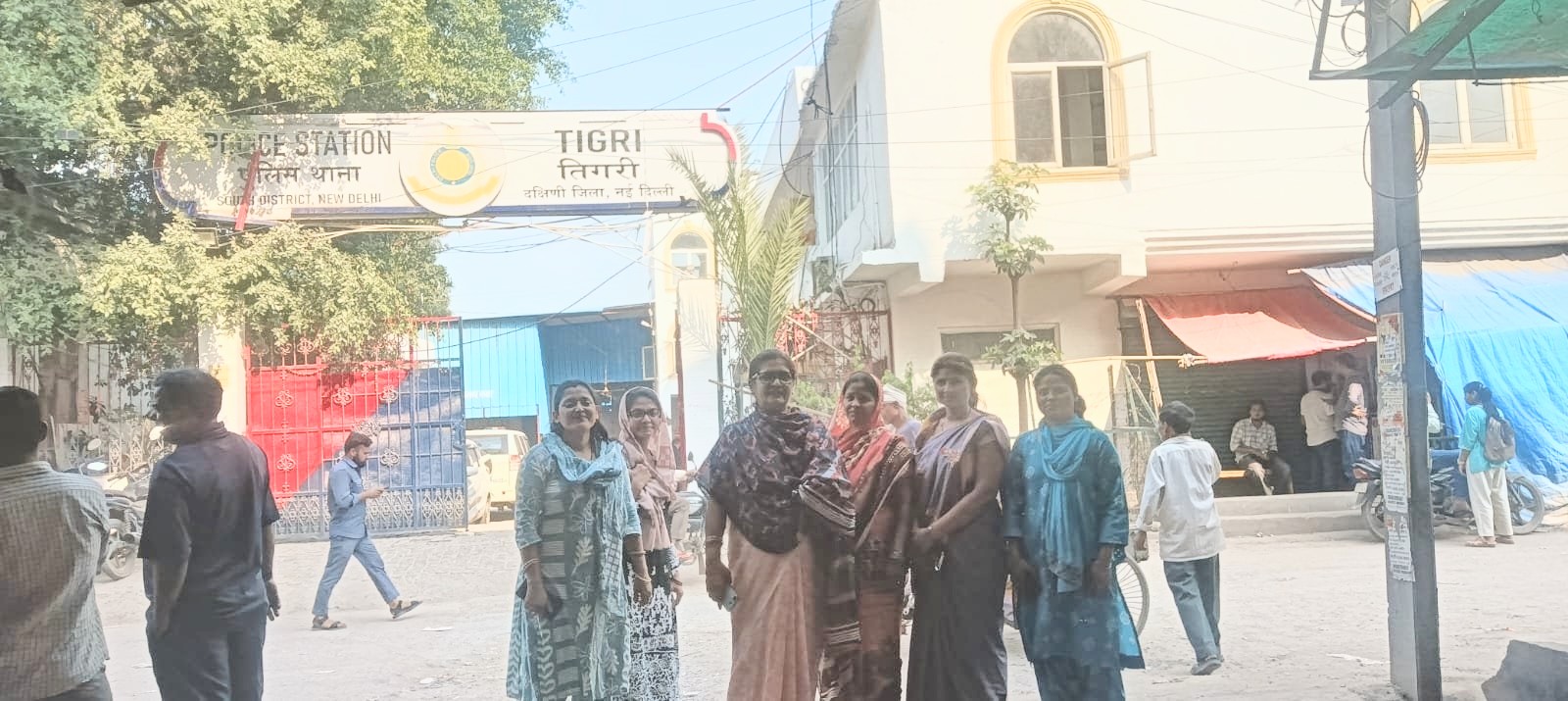
The exposure visit to Tigri Police Station was organised to help women understand the functioning of a police station and the procedures involved in seeking police assistance.
A group of 11 women, accompanied by 3 staff members, participated in the visit. Police officials explained how complaints are received, how an FIR is registered and the basic process of filing a report. Participants were also introduced to the concept of bail and the procedure involved.
The women actively interacted with the police officials and asked questions about filing complaints, FIRs and seeking police assistance. The visit helped reduce hesitation and fear around approaching the police and strengthened participants’ understanding of their rights and available support systems.
S.D.M. Office, Saket | 24 June 2026
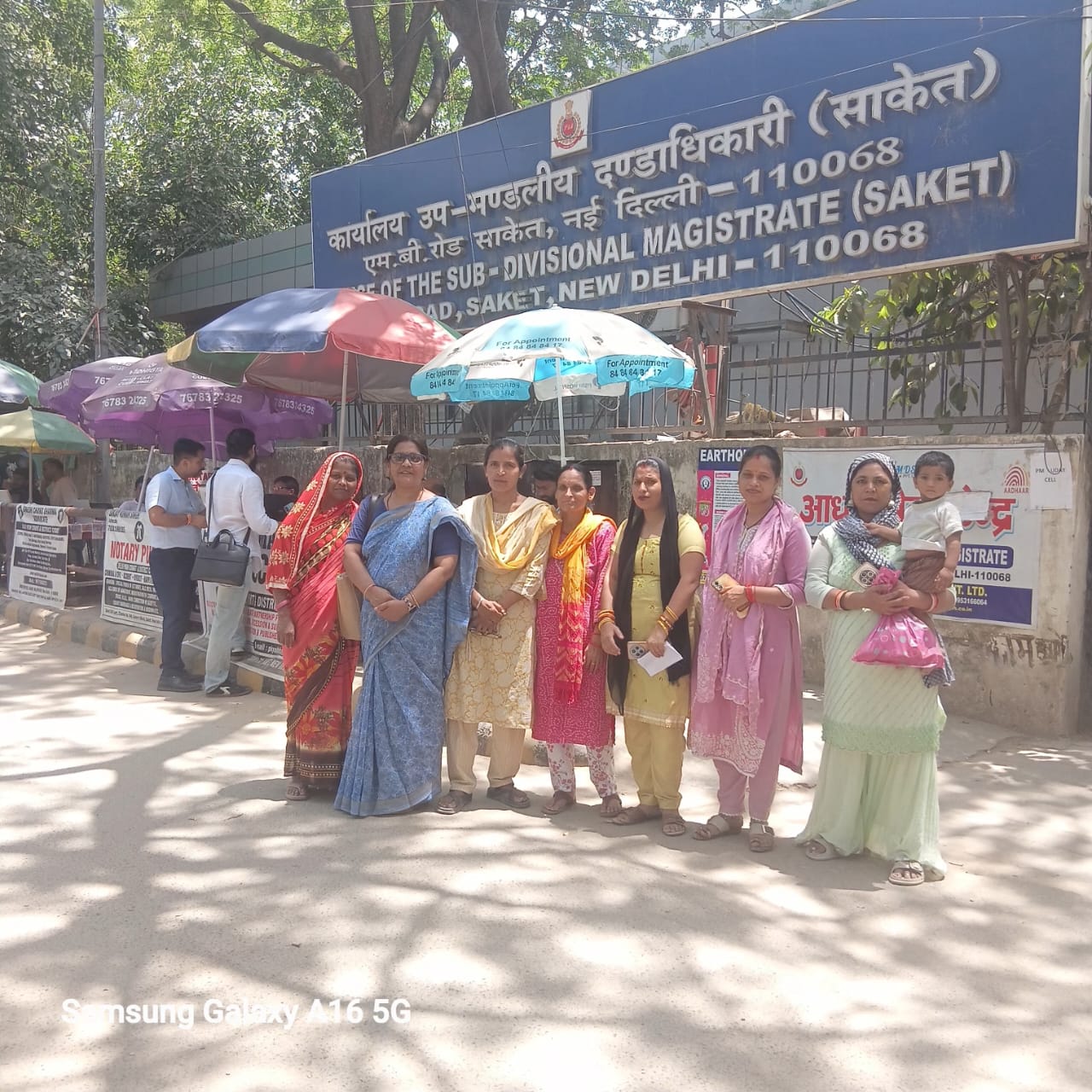
The second exposure visit for the Tigri community was organised at the S.D.M. Office, Saket, with a focus on government schemes and public services, particularly the Pink Card.
A total of 10 women, accompanied by 2 staff members, participated in the visit. Officials explained the benefits of the Pink Card, the documents required and the application process. Information was also shared about birth and death certificates and grievance redressal services.
An important outcome of the visit was that 10 women were able to get their Pink Cards made at the office. The experience provided participants with both information and practical exposure to accessing government services.
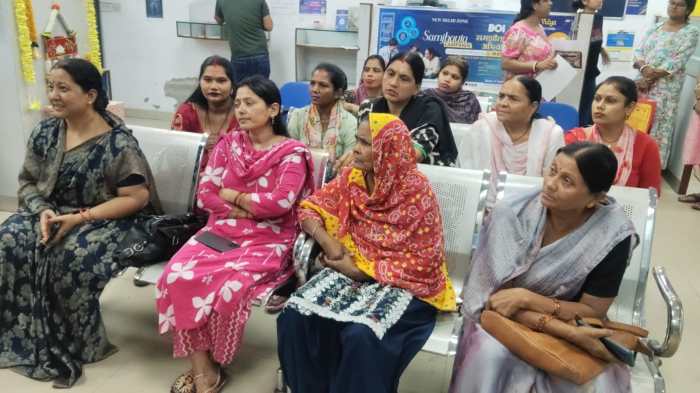
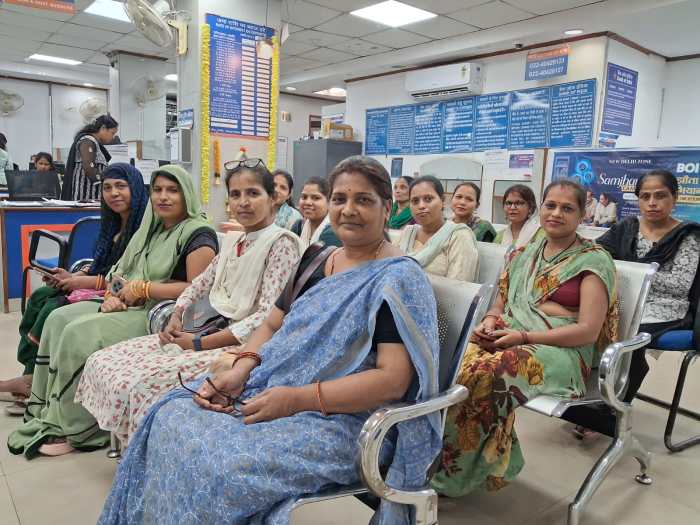
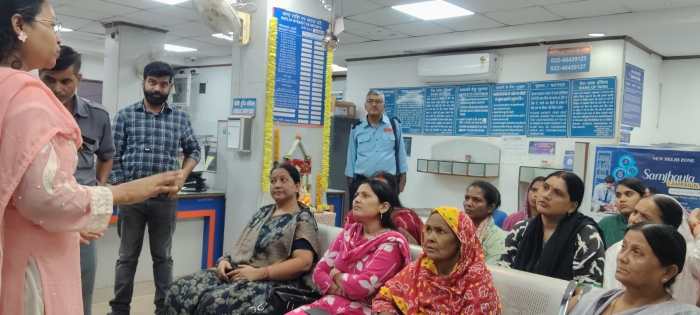
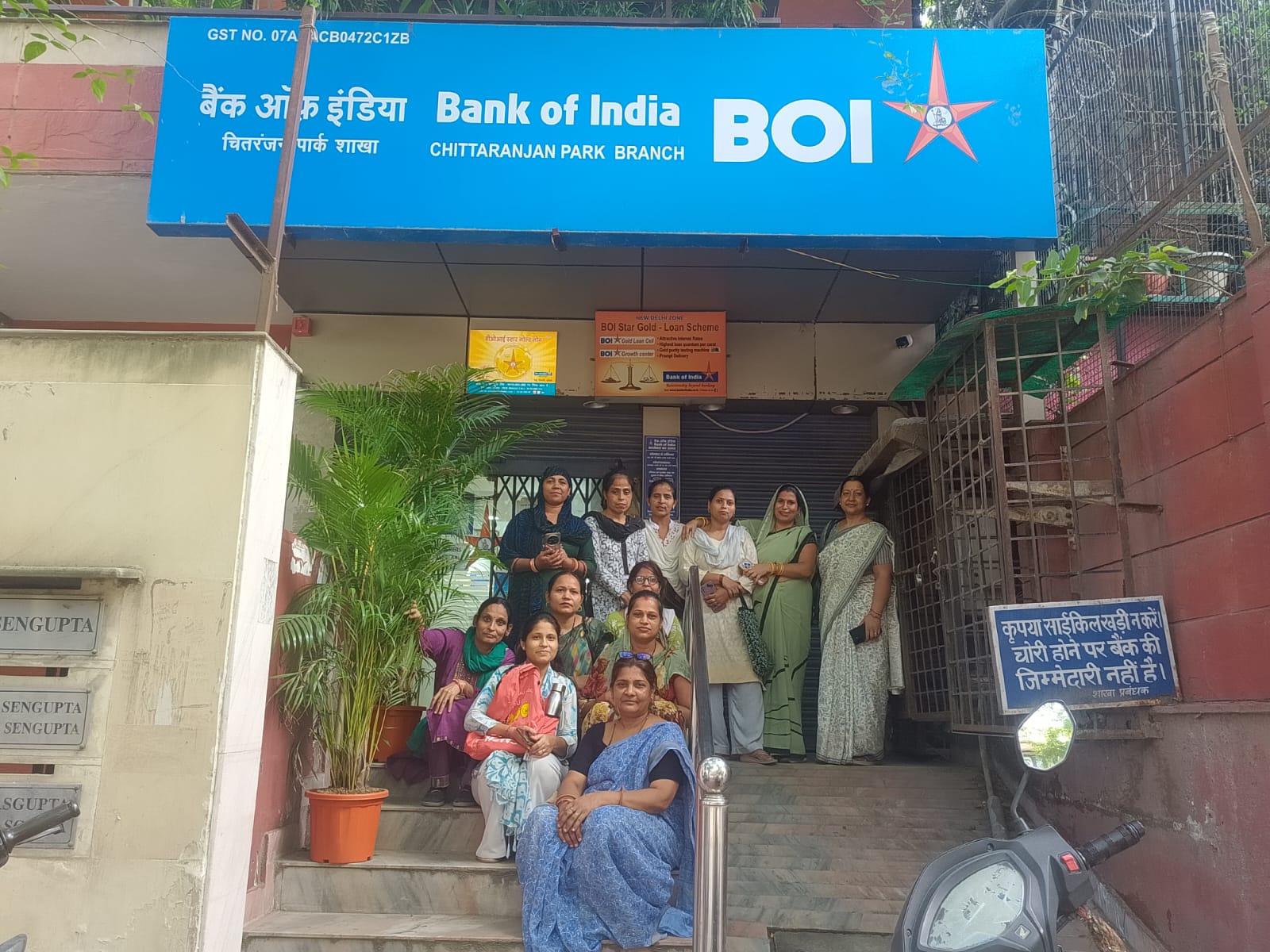
Bank of India, C.R. Park | 24 July 2026
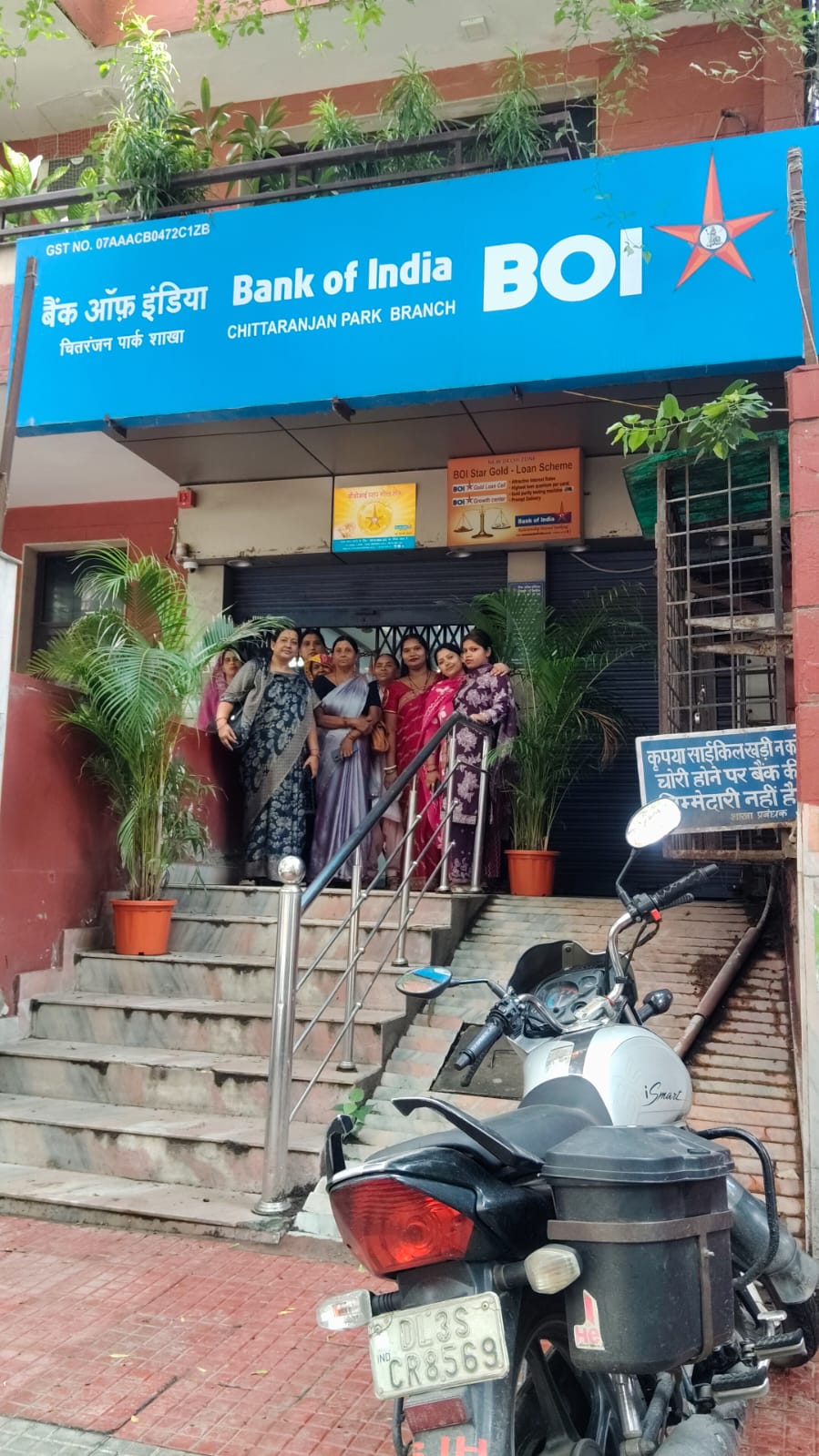
The third exposure visit for the Tigri community focused on financial literacy and banking services. Nine women, accompanied by 4 staff members, visited the Bank of India branch at C.R. Park.
Bank officials explained basic banking services, including opening a savings account, required documents, ATM card and PIN procedures, loan facilities and Fixed Deposits. Participants were also introduced to internet banking, mobile banking and relevant government schemes.
The women actively participated in the discussion and asked questions about banking and loan procedures. The visit helped participants develop greater confidence in using formal banking services and understanding financial facilities that may be useful to them in the future.
Tughlakabad Community
Police Station, Tigri | May 2026
The Tughlakabad Community Centre organised an exposure visit to Tigri Police Station to strengthen awareness of police services, legal procedures and community safety.
A total of 13 women, accompanied by 3 staff members, participated in the visit. Police officials introduced participants to the functioning of the police station and explained procedures related to complaints and FIRs. The discussion also covered women’s safety, emergency services, cybercrime awareness and the role of citizens in maintaining a safe community.
The visit provided an opportunity for women to interact openly with police personnel and clarify their concerns. It helped build greater confidence in accessing police support and encouraged participants to share the information they gained with others in their community.
S.D.M. Office, Sangam Vihar | 22 July 2026
A group of 13 women, accompanied by 2 staff members, visited the S.D.M. Office in Sangam Vihar to learn about the Pink Pass Scheme and related government services.
Participants were informed about eligibility requirements, necessary documents, registration and verification procedures, and the benefits available through the scheme. The visit also helped women become more familiar with government offices and the process of accessing public welfare services.
The practical experience encouraged participants to approach government institutions with greater confidence and to support other eligible women in their community in accessing similar services.
Bank of India, C.R. Park | 22 July 2026
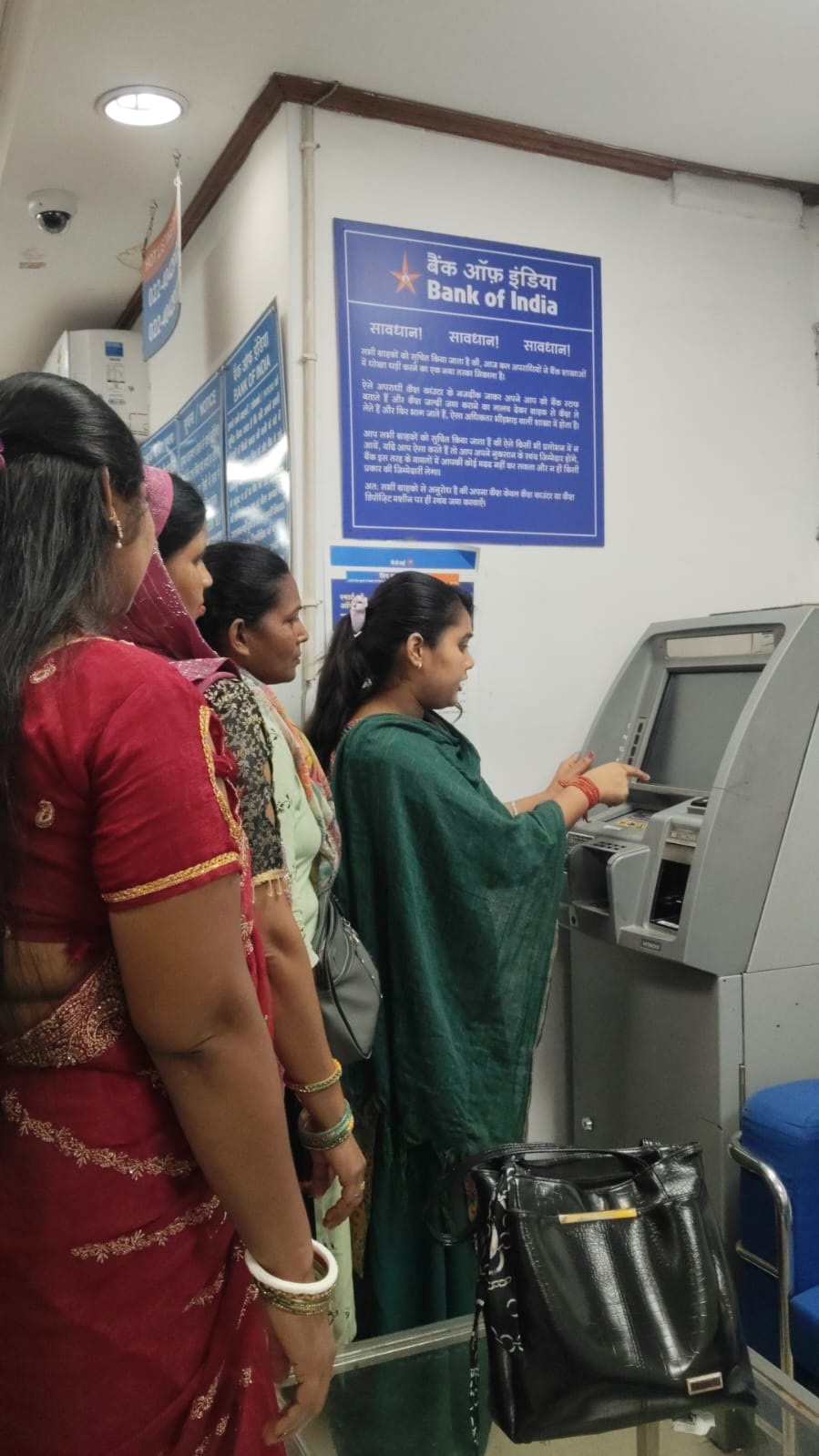
The Tughlakabad Community Centre also organised a visit to Bank of India, C.R. Park Branch, where 11 women, accompanied by 2 staff members, participated in a financial literacy session.
The participants interacted with bank officials and learned about savings facilities, banking schemes and loan options. A practical demonstration was also conducted on the safe use of an ATM and the process of withdrawing money.
The visit helped women become more familiar with formal banking services and increased their confidence in carrying out basic financial transactions independently.
Learning Through Exposure
Across these visits, women gained practical knowledge that cannot always be acquired through classroom-based awareness sessions alone. Direct interaction with police officials, government representatives and banking professionals allowed participants to understand procedures, ask questions and clarify their doubts in a real-world setting. The exposure visits strengthened awareness of legal rights, government services, financial facilities and community safety. They also encouraged women to become more confident in approaching institutions independently and accessing services available to them.