PAN–Aadhaar Linking Camp at STOP Tughlakabad

Date: 30–31 December 2025
Location: STOP Tughlakabad Community Centre

To strengthen community access to essential government services, STOP organized a two-day PAN–Aadhaar linking camp at its Tughlakabad Community Centre. The camp aimed to support community members in verifying their PAN–Aadhaar linking status and resolving related documentation issues.

During the camp, participants received on-the-spot assistance for PAN–Aadhaar linking, guidance on corrective measures where discrepancies were identified, and information on the importance of maintaining updated and compliant official records.

The initiative contributed to reducing documentation gaps while enhancing community awareness about government procedures, statutory compliance, and digital inclusion. By facilitating direct access to these services, the camp supported smoother engagement with public systems and promoted informed participation in formal governance processes.

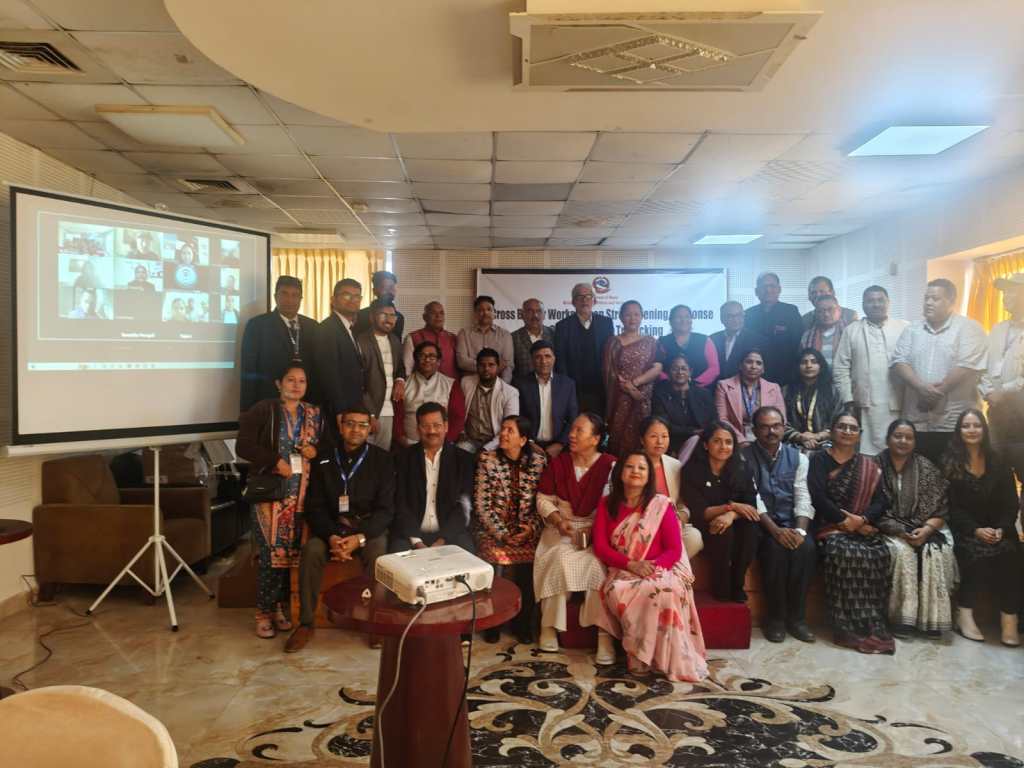
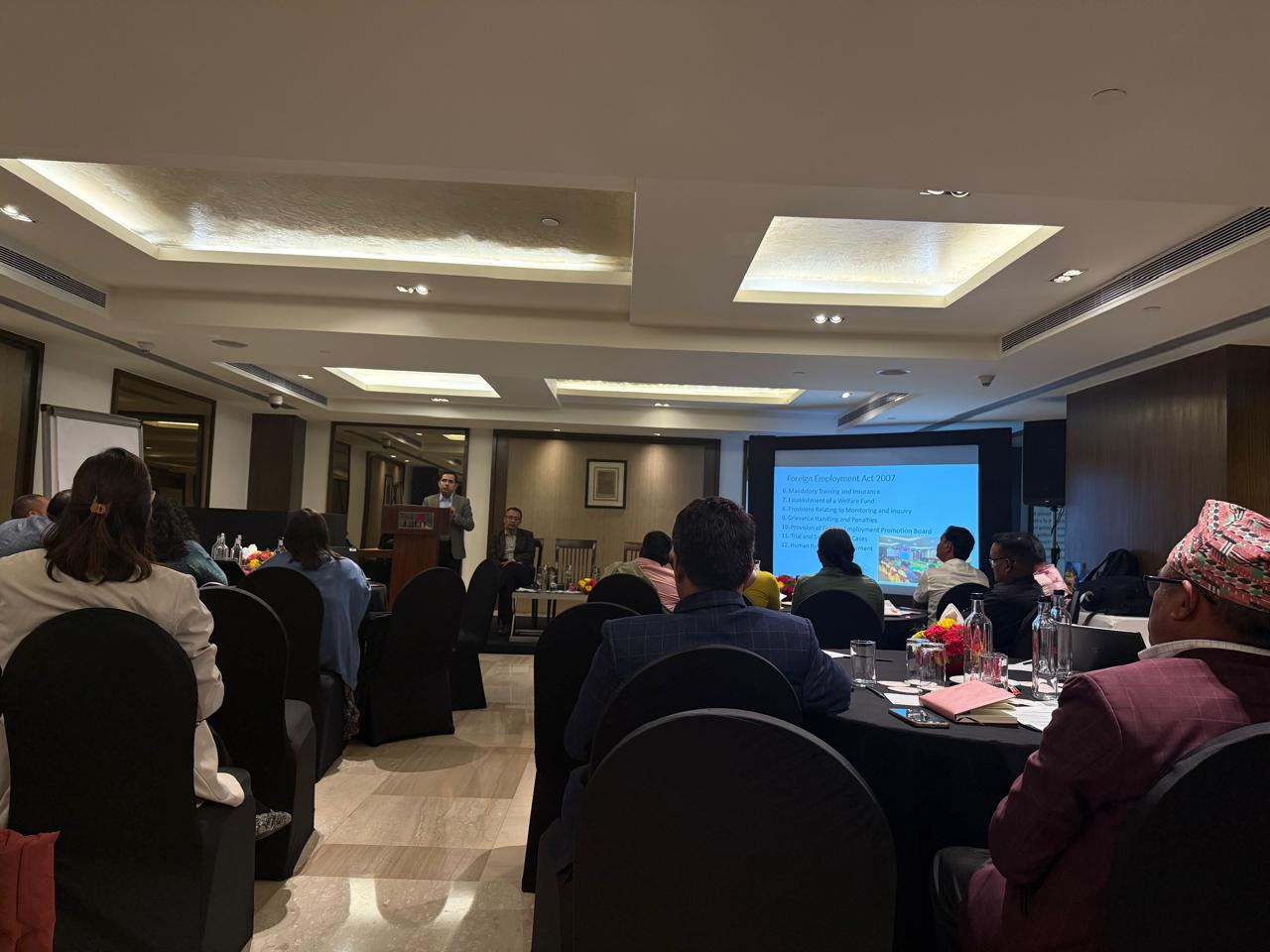
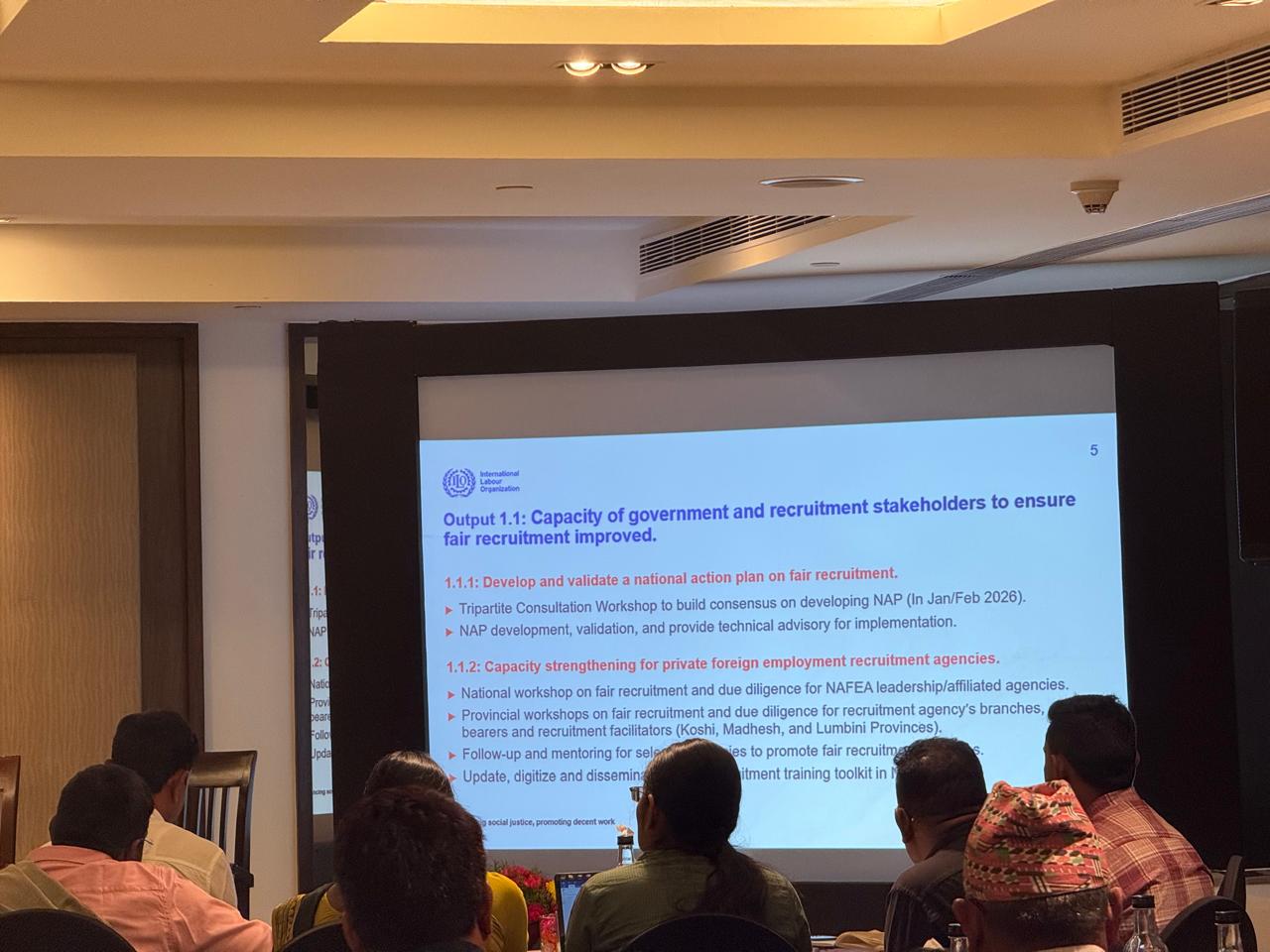
INDO-NEPAL workshop on Strengthening Response to Combat Human Trafficking (Stakeholders Consultation)| 18–19 December 2025

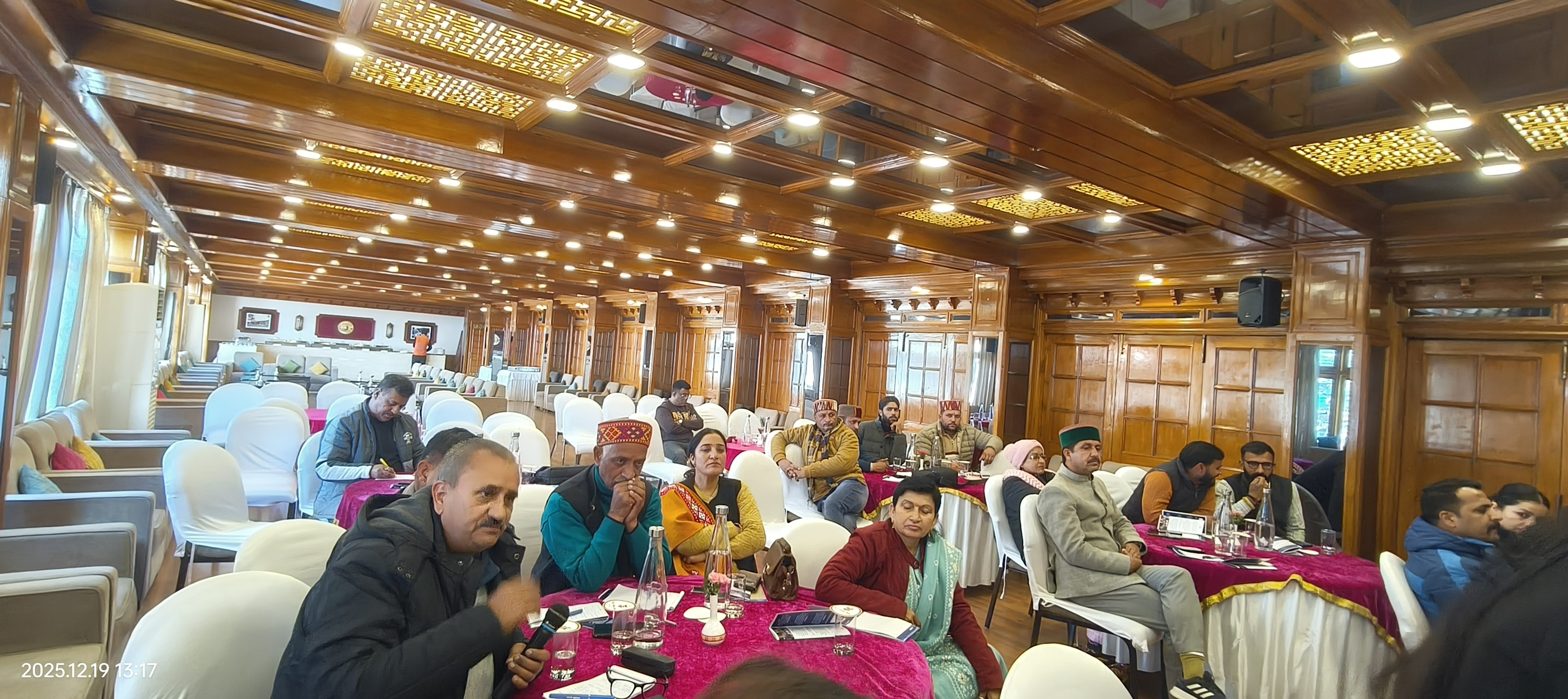
State Wide Consultation on Collaborative Action on Women and Child Protection | HIMACHAL PRADESH | 19 December 2025

Ramola Bhar Charitable Trust, Project STOP organised a State Wide Consultation on Collaborative Action on Women and Child Protection in Shimla, Himachal Pradesh, bringing together government departments, law enforcement agencies, and civil society organisations to strengthen coordination on issues affecting women and children.

The consultation began with a welcome by Roma Debabrata, Founder of RBCT, followed by an introduction from Narayani Bhattacharya, Documentation Officer, who outlined STOP’s work and highlighted key concerns such as unsafe migration, trafficking, violence, and cyber enabled exploitation in the state. Smritikana Ghosh Paul, Executive Director, STOP, presented the statutory roles of participating departments, shared insights from NCRB data, and emphasised the need for stronger inter departmental coordination across prevention, rescue, legal action, and rehabilitation.

The discussion was further enriched by Vidya Negi from the State Women’s Commission, who reflected on the social construction of gender and how it contributes to discrimination and violence against women. Two panel discussions followed, focusing on preventive systems, community level interventions, and operational challenges related to trafficking, child labour, unsafe migration, and emerging risks. Representatives from the Women Police, Anti Human Trafficking Unit, Department of Women and Child Development, State Rural Livelihoods Mission, and civil society organisations shared field experiences and practical recommendations.

The consultation concluded with reflections on strengthening preventive mechanisms, improving coordination in rescue and legal processes, and ensuring long term care, rehabilitation, and capacity building. Closing remarks were shared by Keval Ram Siranta, Nodal Officer, Himachal Pradesh, and Rakesh Kumar from Youth Club Barog, outlining next steps for continued collaborative action across the state.
Indo–Nepal Peer-to-Peer Exchange

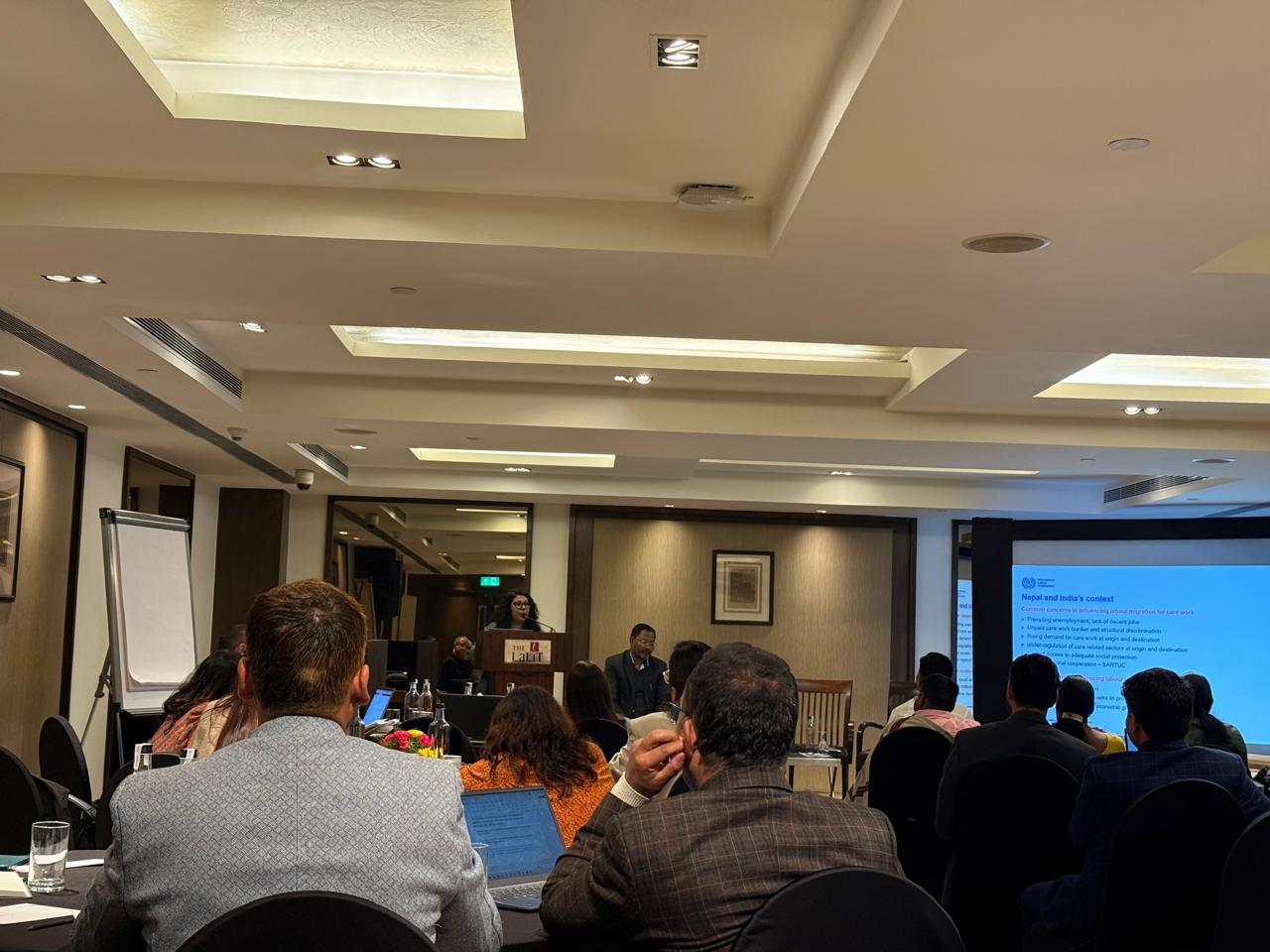
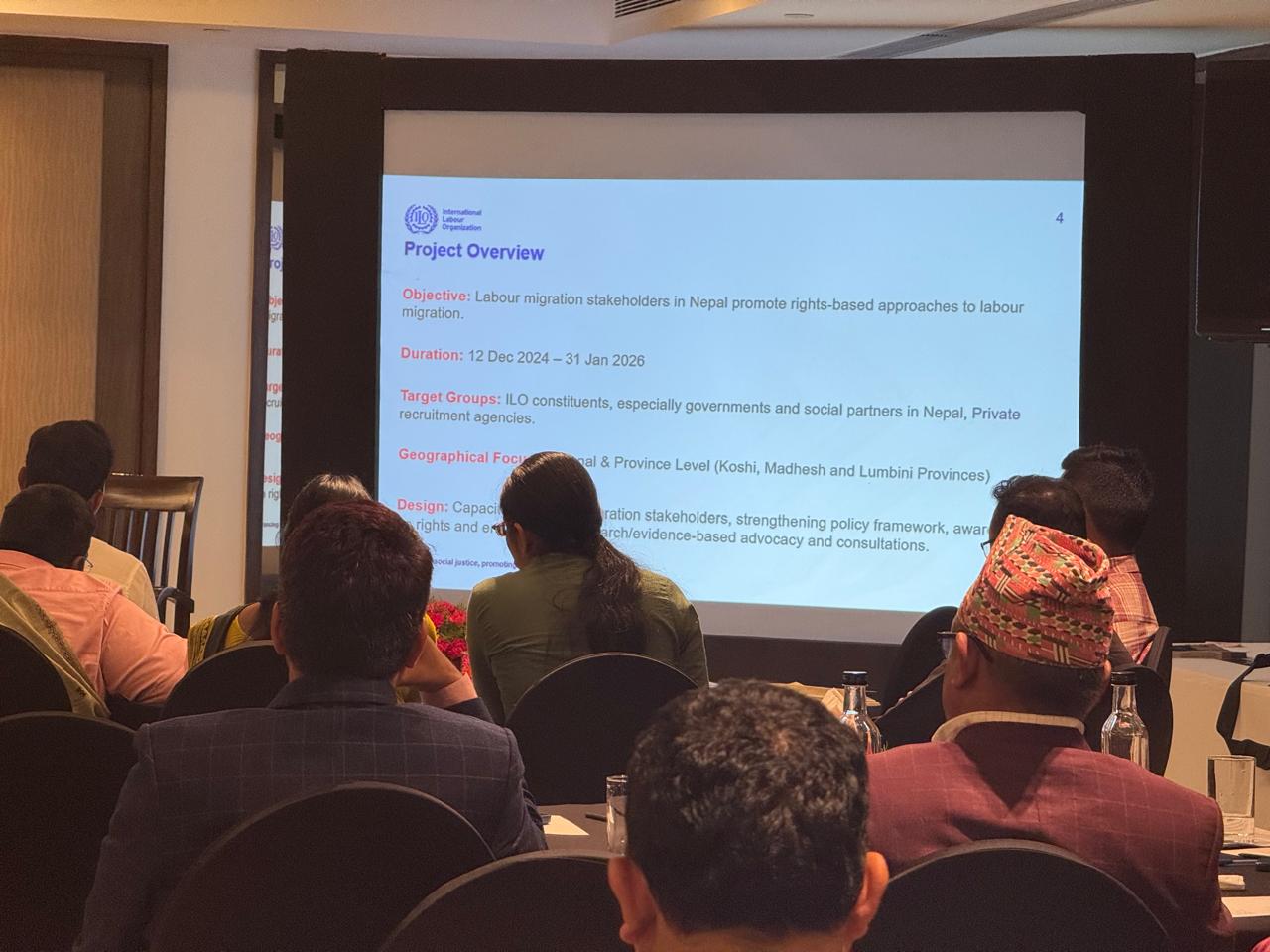
The Indo–Nepal Peer-to-Peer Exchange was organised as a regional learning and networking platform for civil society organisations working on migration and labour mobility in India and Nepal. The exchange brought together CSOs, media professionals, international organisations, and technical experts to strengthen cross-border collaboration and peer learning on migration-related issues. STOP was represented by Senior Programme Manager, Smritikana Ghosh Paul, and Project Associate, Paridhi Negi.

The programme focused on migration and labour mobility trends, policy frameworks, and institutional responses, alongside discussions on ethical media engagement and responsible representation of migrant workers’ experiences. Sessions included peer introductions by participating organisations, technical inputs from ILO India and ILO Nepal, a policy update by NNSM Nepal, and expert-led discussions on media engagement and narrative building.

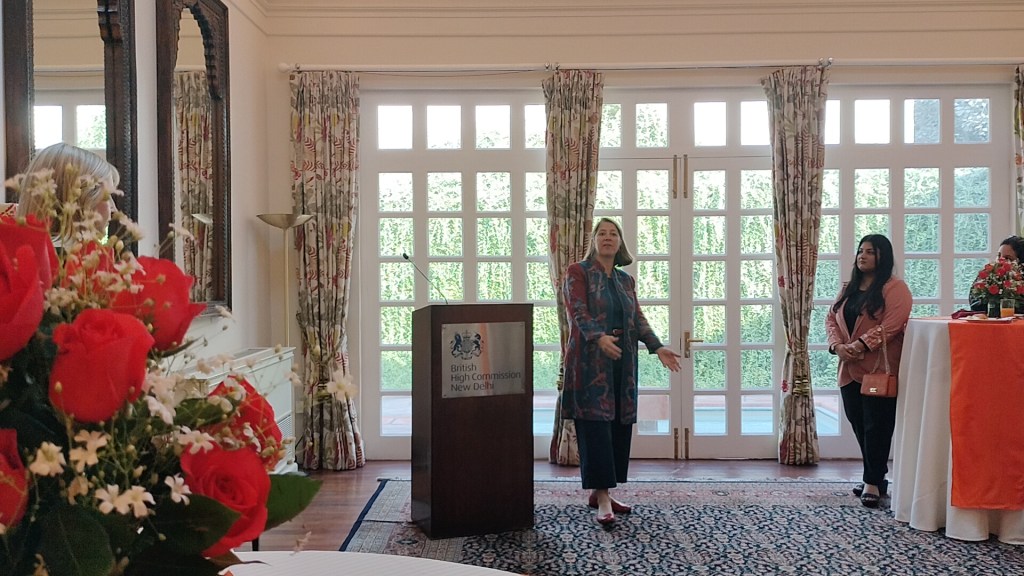
Invitation | British High Commission

The event brought together civil society organisations, academic and development institutions, legal professionals, counsellors, and activists. Meaningful interactions took place with organisations such as J-PAL, Management Development Institute, Rubaroo, Jagori, LLF, along with independent lawyers and trauma-informed practitioners. The discussions focused on shared challenges, survivor-centric approaches, and possibilities for future collaboration. The event helped strengthen networks, encourage cross-learning, and reinforce the importance of collective action in addressing gender-based violence.

Interface Between Aftercare Youth and Social Sector Employers

Ramola Bhar Charitable Trust – Project STOP participated in an interface programme focused on connecting aftercare youth with potential employers in the social development sector on the 28th of November, 2025. The event created space for young people transitioning out of aftercare to share their skills, aspirations, and readiness for employment.

Youth-led presentations and interactive discussions highlighted the importance of mentorship, preparedness, and collaboration in building dignified employment pathways. Ramola Bhar Charitable Trust – Project STOP was represented by Paridhi Negi, who engaged with stakeholders on youth potential, sector readiness, and inclusive employment opportunities.

The programme strengthened dialogue between youth and employers and reaffirmed a shared commitment to expanding sustainable career pathways for aftercare youth in the social sector.