Strengthening Child Protection and Combating Human Trafficking in Kumaon

A regional seminar on strengthening anti-human trafficking and child protection mechanisms was held on 24 March 2026 in Almora, Uttarakhand, organized by STOP (Stop Trafficking and Oppression of Children & Women) under The Ramola Bhar Charitable Trust, in collaboration with SPARDHA. The programme brought together key stakeholders from government, law enforcement, and civil society to address the growing vulnerability of the Kumaon region to human trafficking.

The seminar was opened by Dr. Vijaya Rani Dondhoiyal, who welcomed participants and outlined the objectives of the programme. A message from Prof. Roma Debabrata, Founder, STOP, emphasized the need for collective action. Setting the context, Ms. Smritikana Ghosh Paul, Executive Director, STOP, highlighted human trafficking as a complex and evolving crime driven by poverty, migration, social vulnerabilities, and cyber risks, with Uttarakhand particularly at risk due to its geographic and socio-economic conditions.

Key dignitaries including Ravi Pandita (DIG, ITBP), Yukta Mishra (ADM, Almora), Phool Singh Meena (SSB), Dr. Naveen Chand Joshi, and Arun Varma shared critical insights on border security, community participation, trafficking through fraudulent practices such as marriage, and the role of responsible tourism. Their inputs underscored the importance of coordinated enforcement, sensitive handling of victims, and the use of digital platforms for awareness and reporting.

Discussions involving institutional bodies such as the Anti-Human Trafficking Units (AHTUs), District Child Protection Unit (DCPU), Mahila Kotwali, and Cyber Cell highlighted rising trafficking trends linked to migration, poverty, and lack of awareness, along with the increasing use of online platforms by traffickers. While strong legal frameworks exist, gaps in implementation, coordination, and reporting continue to hinder effective response.

Civil society organizations including SPARDHA, Mahila Haat, Adi Kailash Foundation, ABHILASHA, GRASS, and Bharat Gyan Vigyan Samiti emphasized the urgent need to break stigma, expand outreach in remote areas, and strengthen rehabilitation systems. The discussions highlighted persistent challenges such as underreporting, socio-economic vulnerabilities, inadequate long-term support for survivors, and weak referral mechanisms, which increase the risk of re-trafficking.

The seminar also underscored the growing link between cybercrime and trafficking, noting the need for greater digital awareness and monitoring. Participants stressed the importance of multi-level prevention strategies, including awareness programmes in schools and communities, stronger parental engagement, and accessible reporting systems. One of the sessions within this workshop was moderated by and Paridhi Negi, Project Associate.

Concluding with an interactive session moderated by Ms. Poonam Chaudhary, Field Coordinator . The programme identified key gaps and actionable strategies, reinforcing that sustained collaboration between government bodies, civil society, and communities is essential. The seminar served as a platform for collective reflection and action, reaffirming the commitment to building a stronger and more responsive child protection ecosystem in the Kumaon region.

You can see the details here.
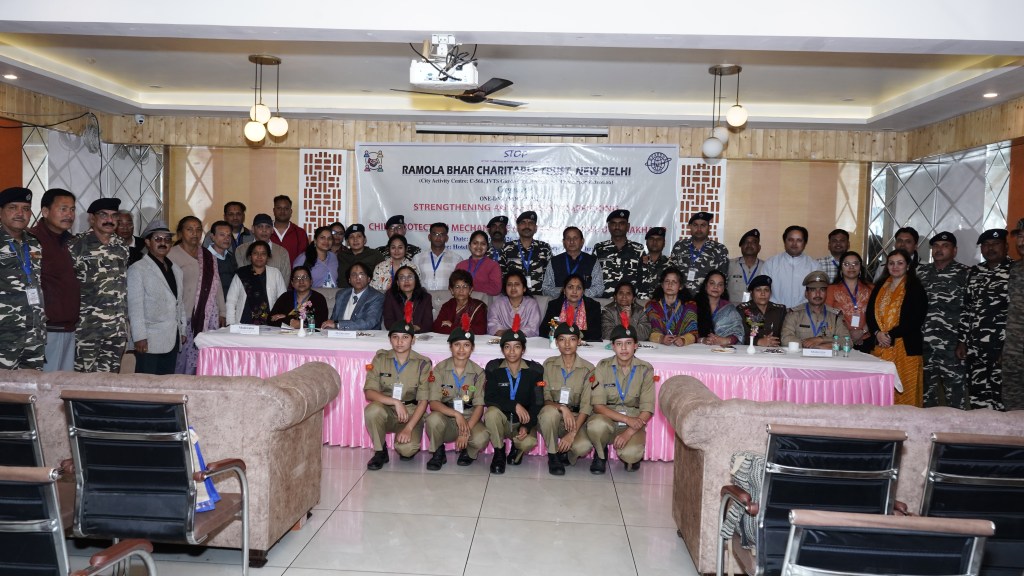

Programme on Strengthening Anti-Human Trafficking and Child Protection Mechanisms | 24 March 2026 | Almora, Uttarakhand

STOP successfully conducted a one-day programme in Almora, Uttarakhand, aimed at strengthening anti-human trafficking responses and child protection systems in the Kumaon region. The programme brought together a diverse group of stakeholders including government officials, law enforcement agencies, academicians, and representatives from civil society and community-based organizations.

Discussions during the programme focused on regional challenges, particularly cross-border vulnerabilities, and the urgent need for preventive strategies through awareness generation at the community and school levels. Stakeholders engaged in in-depth deliberations on trafficking trends, vulnerable populations, and existing legal frameworks, bringing forward practical insights from field experiences.

The programme featured dedicated sessions with representatives from Anti-Human Trafficking Units (AHTUs), government departments, NGOs, and CBOs. An interactive open forum with representatives from the Child Welfare Committee (CWC), Juvenile Justice Board (JJ Board), and Cyber Cell enabled participants to identify systemic gaps and propose actionable recommendations. These sessions emphasized strengthening coordination between agencies, enhancing community-based interventions, and building more responsive protection mechanisms.

The discussions contributed to the development of a preliminary action framework aimed at improving prevention, protection, and response systems. With participation from over 90 stakeholders, the programme served as a significant step towards strengthening integrated, multi-stakeholder efforts to combat human trafficking and enhance child protection mechanisms in the region.

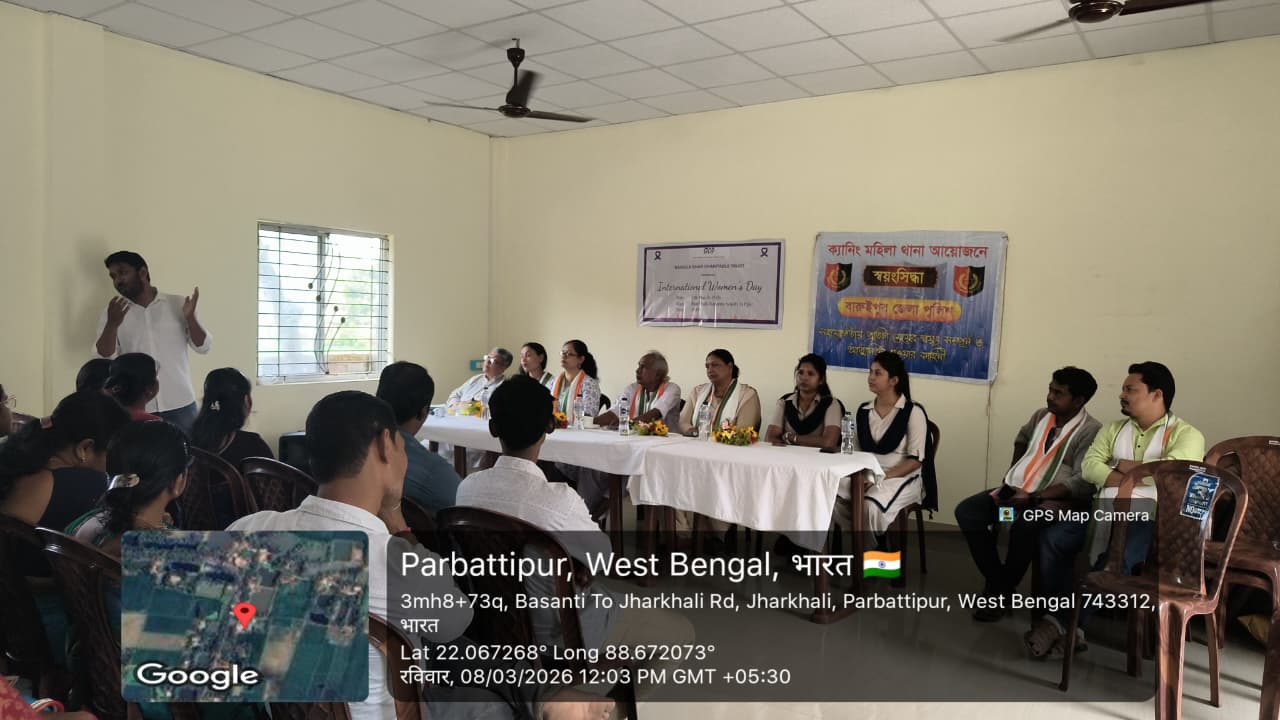
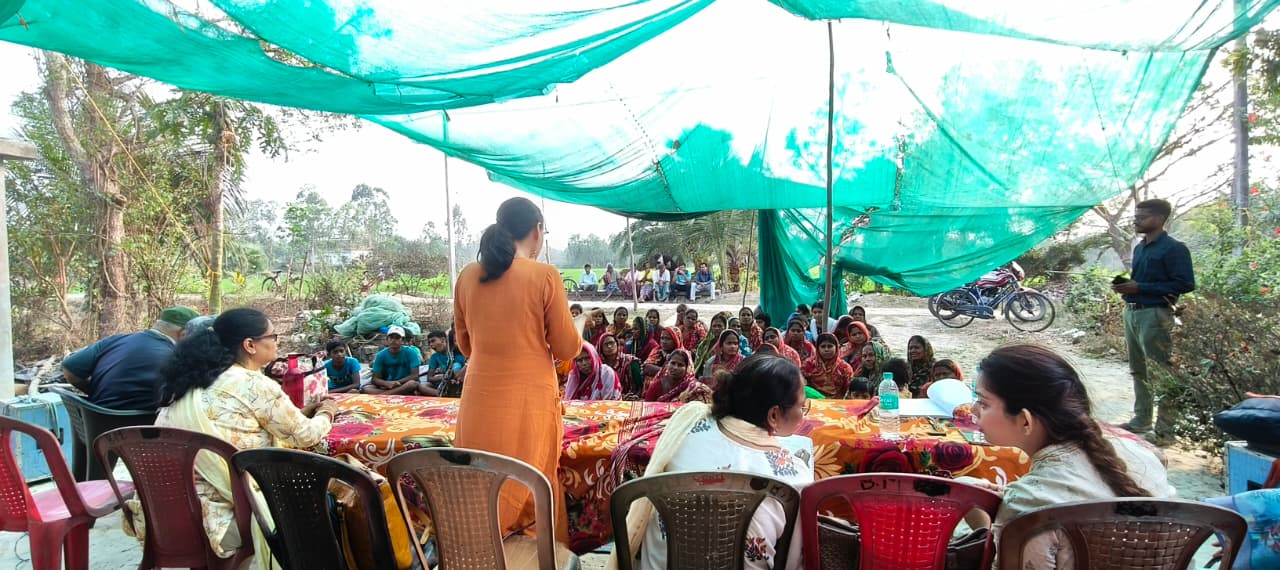
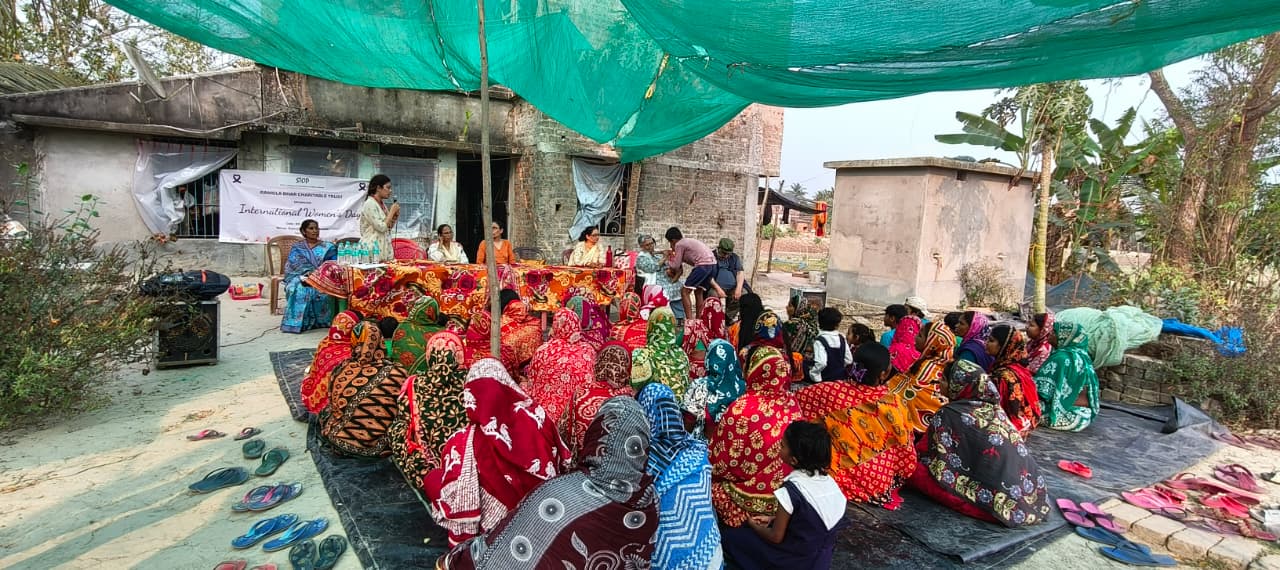
Jharkhali & Kultali | March 2026

Overview

RBCTโ€™s Project STOP team conducted a field visit to the Sundarbans region to strengthen community engagement, assess ongoing work, and introduce sustainable livelihood opportunities for at-risk women.

What We Did

Community Mobilisation

  • Engaged with women and local stakeholders in Jharkhali and Kultali
  • Formed Self-Help Groups (SHGs) to promote collective savings and income generation

Livelihood Initiatives

  • Introduced poultry farming as an immediate income-generating activity
  • Explored crab farming as a seasonal livelihood option (planned for monsoon implementation)

Awareness Building

  • Conducted sessions on early marriage and community responsibility
  • Engaged local authorities to strengthen awareness and prevention

Capacity Building

  • Planned skill-based training for women in poultry and crab farming
  • Strengthened local coordination for future programme delivery

Key Outcomes

  • Women organized into structured Self-Help Groups
  • Immediate livelihood option (poultry) initiated
  • Seasonal livelihood model (crab farming) identified and planned
  • Increased awareness on critical social issues
  • Stronger field coordination and implementation planning

Impact

This visit strengthened grassroots connections and laid the groundwork for sustainable, community-led livelihoods. By combining awareness, organisation, and income opportunities, the initiative moves toward long-term resilience and empowerment of vulnerable communities in the Sundarbans.