Overview
RBCT’s Project STOP team conducted a field visit to the Sundarbans region to strengthen community engagement, assess ongoing work, and introduce sustainable livelihood opportunities for at-risk women.
What We Did
Community Mobilisation
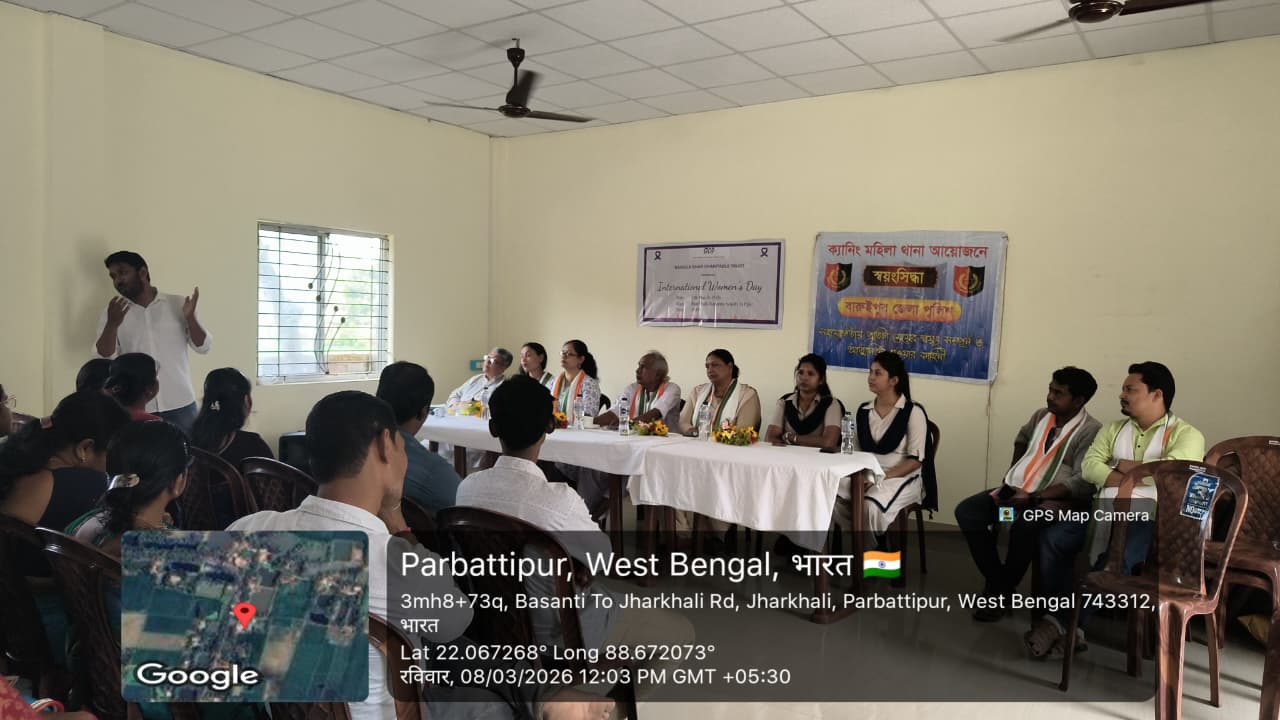
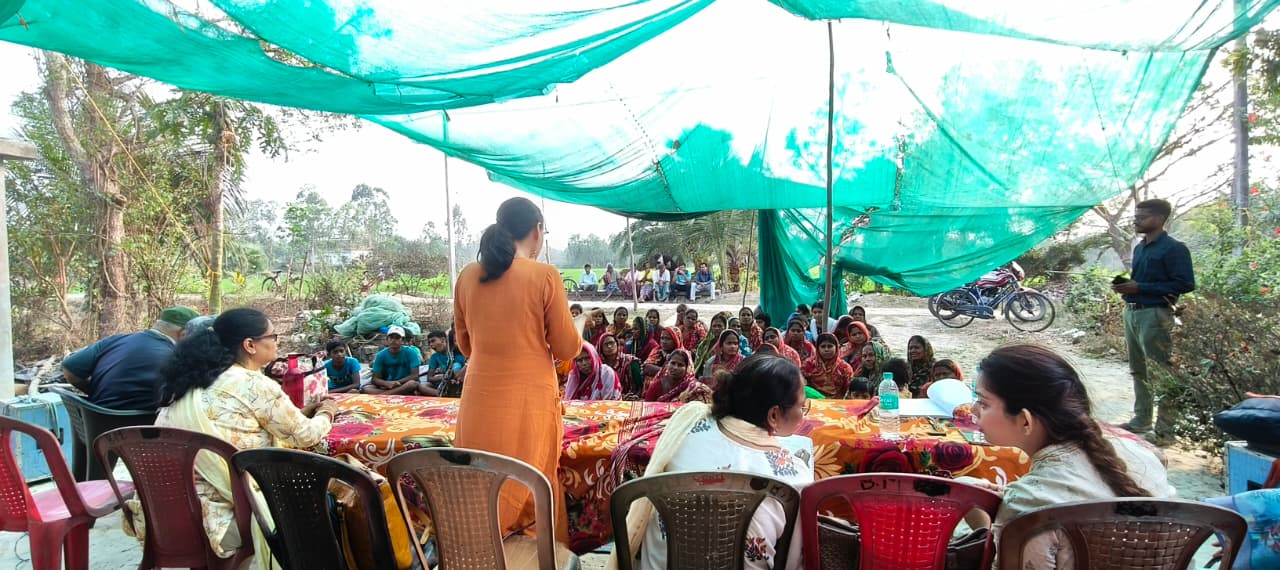
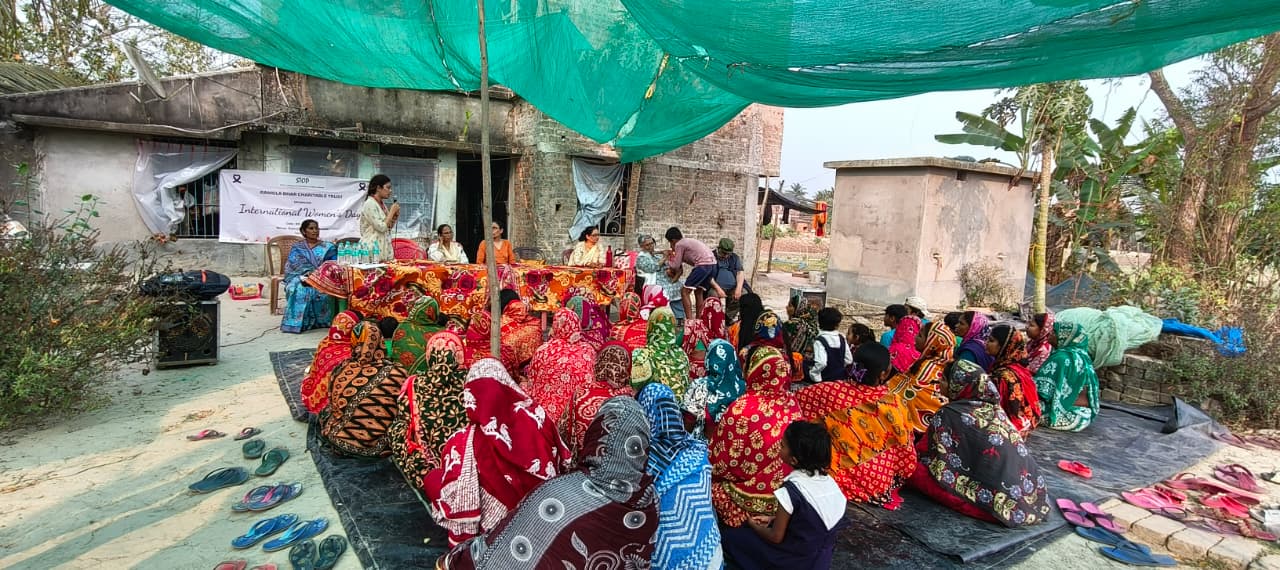
- Engaged with women and local stakeholders in Jharkhali and Kultali
- Formed Self-Help Groups (SHGs) to promote collective savings and income generation
Livelihood Initiatives
- Introduced poultry farming as an immediate income-generating activity
- Explored crab farming as a seasonal livelihood option (planned for monsoon implementation)
Awareness Building
- Conducted sessions on early marriage and community responsibility
- Engaged local authorities to strengthen awareness and prevention
Capacity Building
- Planned skill-based training for women in poultry and crab farming
- Strengthened local coordination for future programme delivery
Key Outcomes
- Women organized into structured Self-Help Groups
- Immediate livelihood option (poultry) initiated
- Seasonal livelihood model (crab farming) identified and planned
- Increased awareness on critical social issues
- Stronger field coordination and implementation planning
Impact
This visit strengthened grassroots connections and laid the groundwork for sustainable, community-led livelihoods. By combining awareness, organisation, and income opportunities, the initiative moves toward long-term resilience and empowerment of vulnerable communities in the Sundarbans.

 stopglobalmovement.com