Youth Capacity Building Workshops under APPI

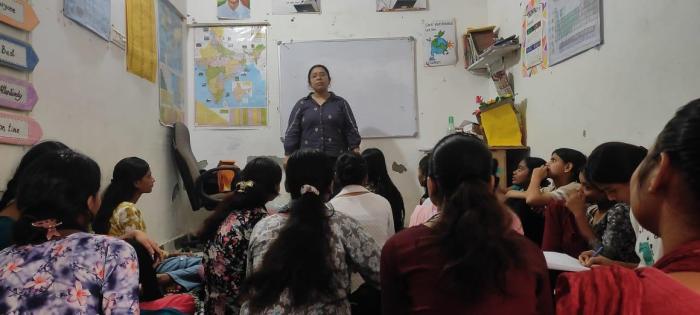
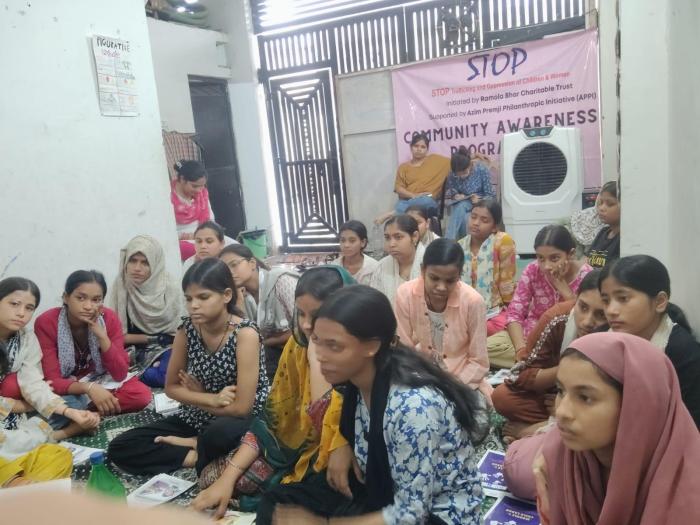
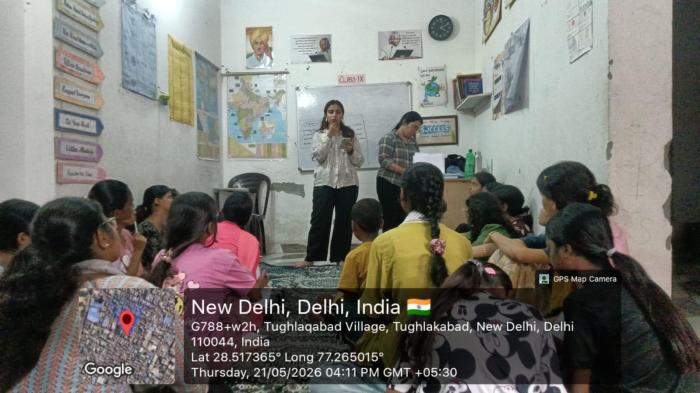
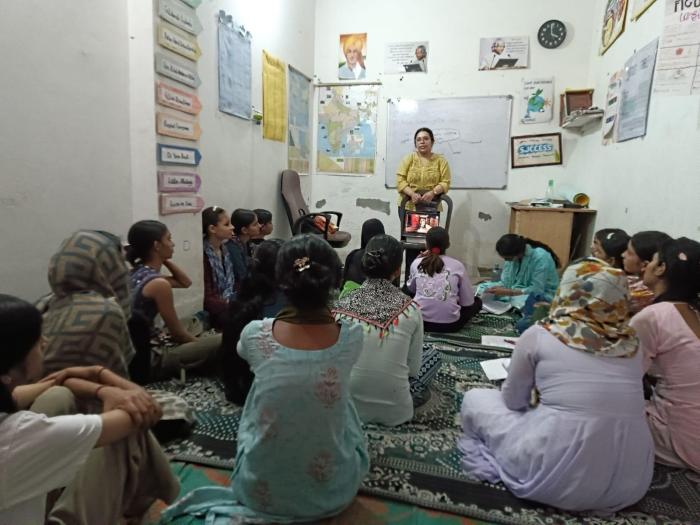
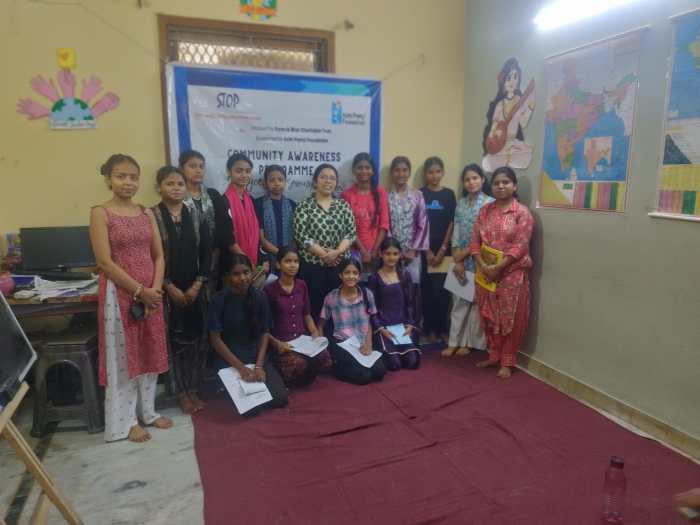
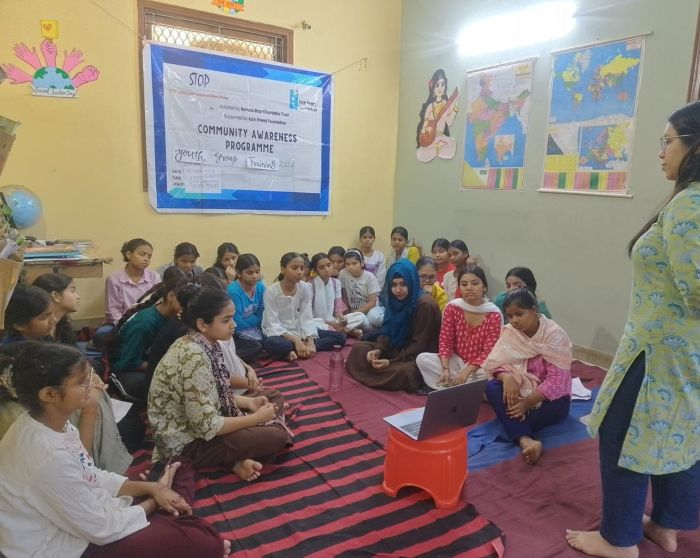
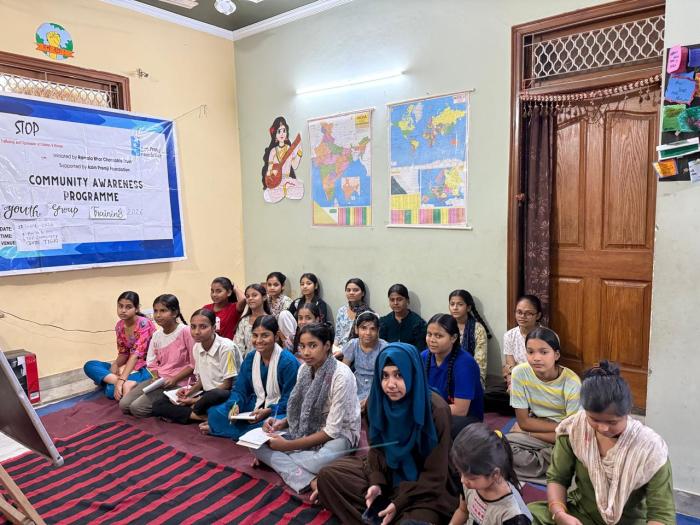
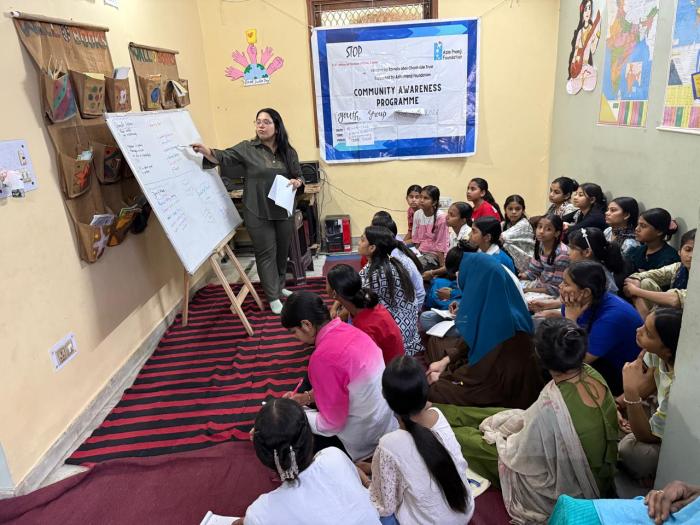
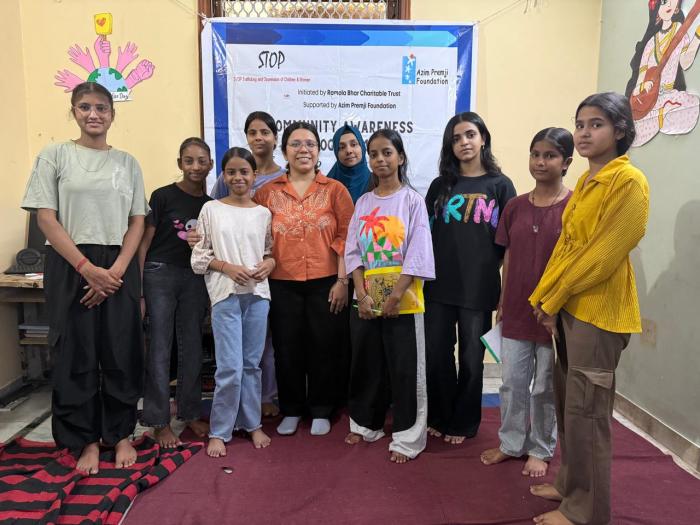
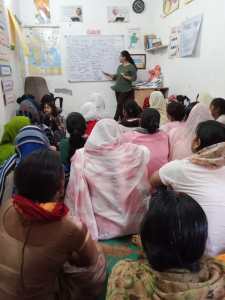
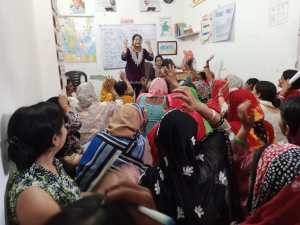
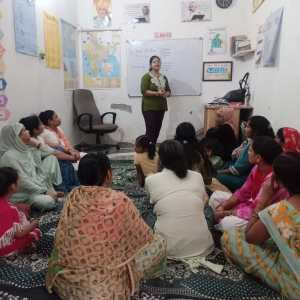
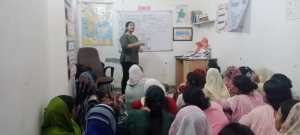
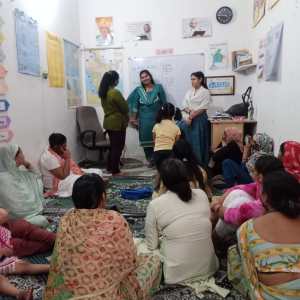
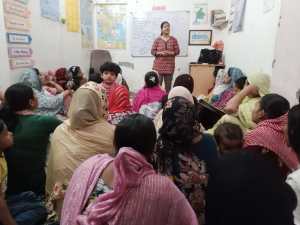
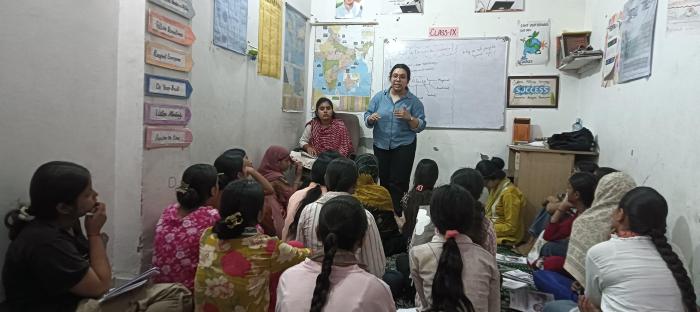
From April to June 2026, Ms. Paridhi Negi, Project Associate, STOP, conducted a series of youth capacity-building workshops in the Tigri and Tughlakabad communities under the Azim Premji Philanthropic Initiatives (APPI). A total of 16 youth groups, comprising 160 adolescent girls and young women, participated in the programme.

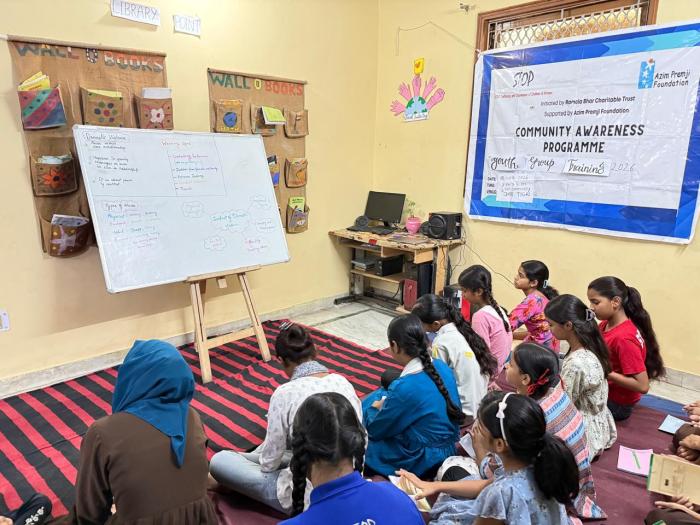
The participants attended interactive sessions covering ten key themes: Child Marriage, Child Labour, Education, Domestic Violence, Human Trafficking, Personal Health and Hygiene, Human Rights, Cyber Crime, Menstrual Health, and Leadership. The workshops aimed to strengthen awareness, build life skills, and empower young people to make informed decisions while promoting safe and healthy communities.

The sessions were facilitated through participatory methods, including group discussions, role plays, quizzes, case studies, videos, demonstrations, and interactive games. A pre-training assessment was conducted to understand participants’ existing knowledge and tailor the sessions accordingly.

Throughout the programme, participants demonstrated increased awareness of their rights, legal protections, cyber safety, menstrual hygiene, and available support systems. Discussions encouraged critical thinking on issues such as child marriage, trafficking, domestic violence, and access to education. Leadership and communication activities further helped participants build confidence and develop problem-solving and decision-making skills.

The workshops created a safe and engaging learning environment where participants actively shared their experiences, clarified misconceptions, and strengthened their capacity to become informed, confident, and responsible members of their communities.

TRAINING FOR MAHILA MANDALS – TUGHLAKABAD AND TIGRI

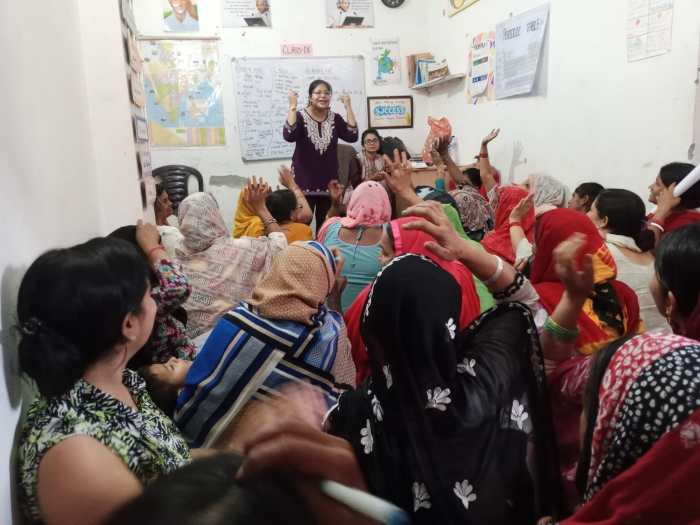
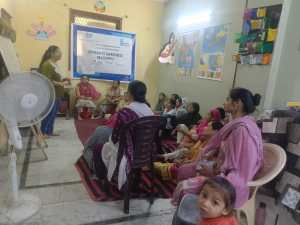
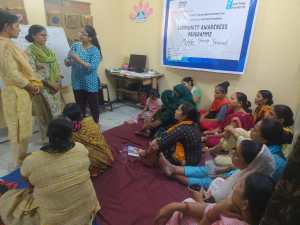
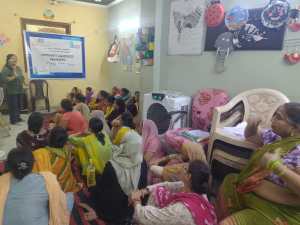
Project STOP of Ramola Bhar Charitable Trust (RBCT), with the support of Azim Premji Philanthropic Initiatives (APPI), successfully organised an 18-day Capacity-Building Programme for Community Women Groups (Mahila Mandals) in the Tigri and Tughlakabad communities. The sessions were facilitated by Ms. Narayani Bhattacharya, Project Coordinator, with the objective of empowering women leaders with the knowledge, confidence, and skills to address critical social issues and strengthen community action.

Each training session began with a relaxing exercise that helped participants feel comfortable, encouraged active participation, and created an engaging learning environment. The programme followed a participatory approach, combining presentations, interactive discussions, case studies, group activities, experience-sharing, and question-and-answer sessions to ensure meaningful learning.

The training covered the following modules:

  1. Health and Hygiene
  2. Menstrual Health and Hygiene
  3. Health and Hygiene Practices
  4. Leadership and Decision-Making Skills
  5. Child Labour
  6. Education
  7. Child Marriage
  8. Human Rights
  9. Cybercrime and Digital Safety
  10. Human Trafficking
  11. Domestic Violence

A key feature of the programme was the active involvement of the Mahila Mandal leaders from both communities. After receiving guidance on each module, the women leaders were encouraged to present the topics before the group, share their understanding, facilitate discussions, and respond to questions from fellow participants. This approach not only reinforced their learning but also strengthened their communication, leadership, and public speaking skills while building their confidence to act as community resource persons.
The programme concluded with participants expressing their commitment to applying the knowledge gained within their communities by raising awareness, promoting education, safeguarding the rights of women and children, and supporting collective efforts to prevent violence, exploitation, trafficking, and discrimination.

Through initiatives such as these, Project STOP, with the support of Azim Premji Philanthropic Initiatives (APPI), continues to nurture informed and confident women leaders who play a vital role in building safer, more resilient, and empowered communities.