From Training to Opportunity: STOP Beneficiary Completes German Bakery Course

At STOP, skill development is an important part of creating pathways towards greater confidence, independence and livelihood opportunities.

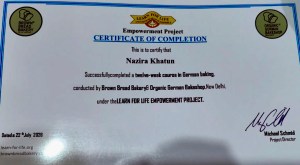
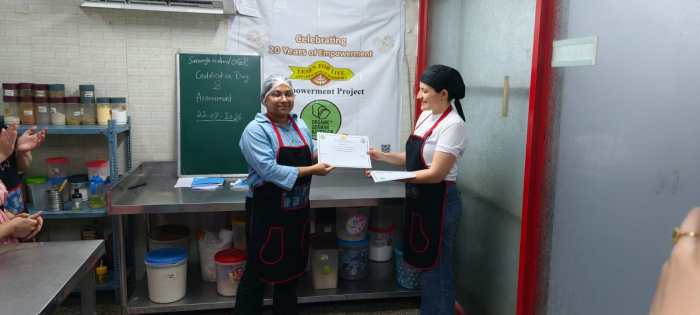
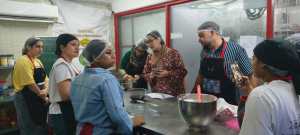
We are pleased to share the achievement of our beneficiary, Ms. Nazira Khatun, who has successfully completed a three-month German Bakery course. Through hands-on training, she developed practical skills in preparing a variety of bakery products, gaining valuable experience that can support her future livelihood opportunities.

During the course, Nazira learned to prepare:

  1. Cream Cake
  2. Berliner (German Doughnut)
  3. Vanilla Crescent Cookies
  4. Nut Hefezopf
  5. Fresh Fruit Tart (Obsttorte)
  6. Cheese Pretzel
  7. Gingerbread Cookies
  8. Cinema Tart
  9. Butter Hefezopf
  10. Apple Pie

From cakes and cookies to traditional German breads, pastries and tarts, the course gave her exposure to a diverse range of bakery techniques and recipes.

Building Skills, Creating Possibilities

Nazira’s journey reflects how access to practical vocational training can help young women develop new skills and explore avenues for economic independence. Her successful completion of the course is an encouraging step towards turning these skills into future livelihood opportunities.

STOP congratulates Ms. Nazira Khatun on completing her German Bakery training and wishes her continued success in her journey ahead.
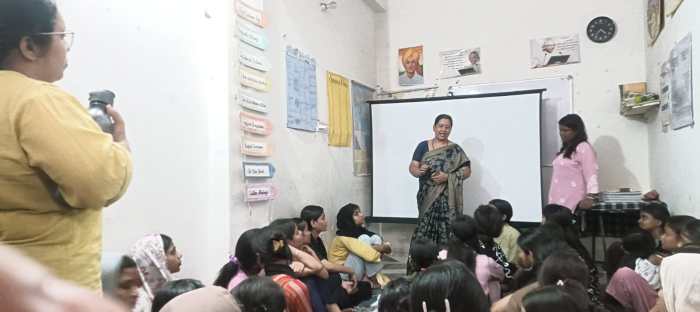
Empowering Young Minds: Understanding Peer Pressure on International Youth Day

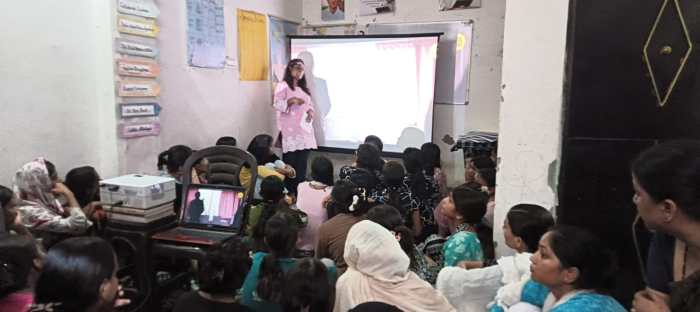
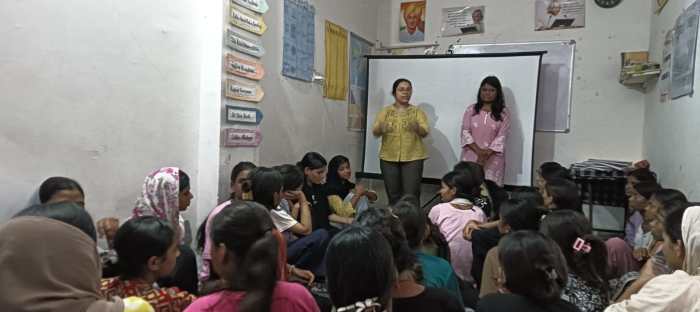
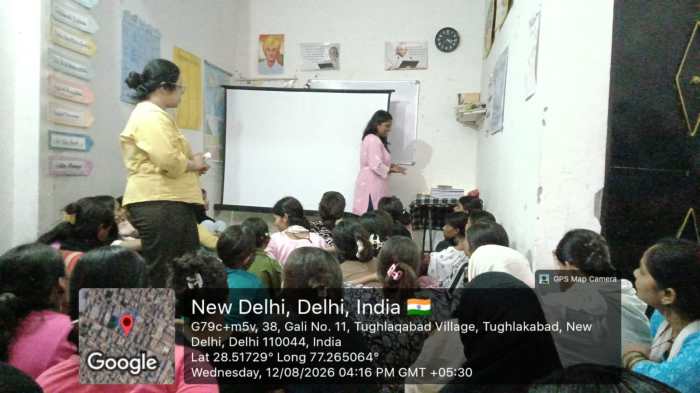
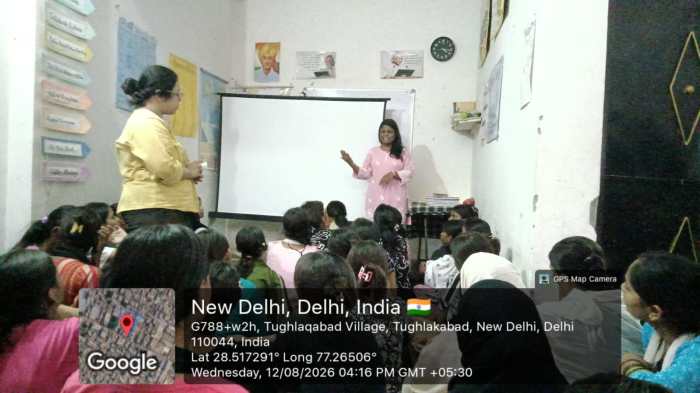
The session was facilitated by psychological counsellor Aprajita Singh, with Paridhi Negi, Project Associate, STOP Office, present to monitor the session and actively engage the students throughout the activities.

Starting with Connection and Interaction

The session began with an introduction to STOP NGO and the facilitator, followed by an engaging ice-breaker activity, “Find Someone Who…”. The activity encouraged students to interact with one another while discovering similarities and differences among their peers.

Understanding Peer Pressure Through Discussion

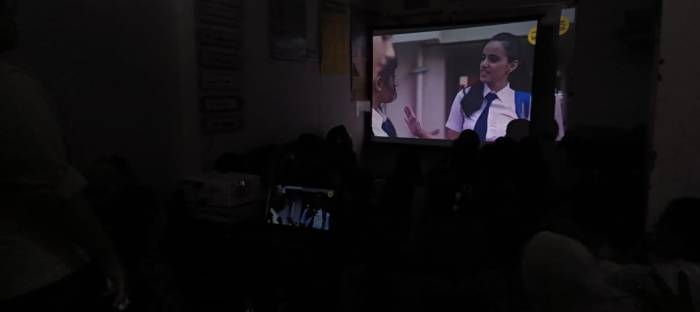
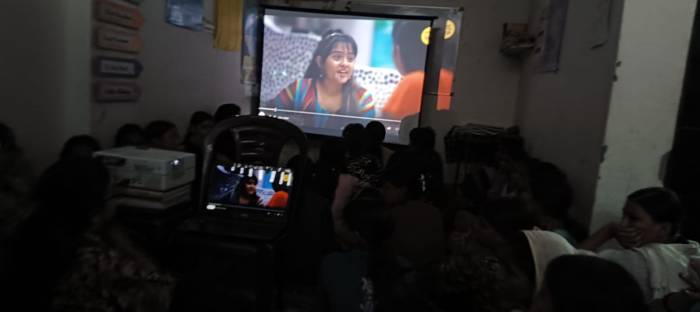
Students watched a short video on peer pressure and were asked to observe an important question: “Who is influencing whom?”

The video was followed by an interactive discussion where students explored:

The discussion helped students connect the concept of peer pressure with situations they may encounter in their everyday lives.

Activity: “The Pressure Line”

The session then moved into “The Pressure Line”, an activity based on six real-life situations involving peer pressure. The situations covered friendship, bullying and mockery, skipping classes, conditional friendships, phone and social comparison, and social media.

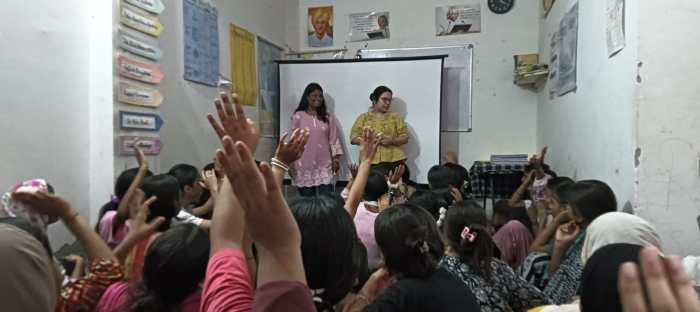
Students had to respond with Yes or No and, importantly, explain the reasons behind their choices. Their responses brought out some common challenges young people face, including the desire to remain accepted within a friend group and difficulty in saying “No.”

Activity: The “NO Challenge”

The “NO Challenge” focused on turning awareness into practical skills. Students explored different ways of responding when they feel pressured by their peers. Through the activity, they were introduced to assertive communication and responsible decision-making. The discussion emphasised that saying “No” does not make someone a bad friend and that healthy friendships should respect individual choices and boundaries.

Reflection and Key Learnings

The session concluded with a reflection activity where students shared what they had learned. The key messages included: