STOP Celebrates the International Day for the Elimination of Violence Against Women and Girls


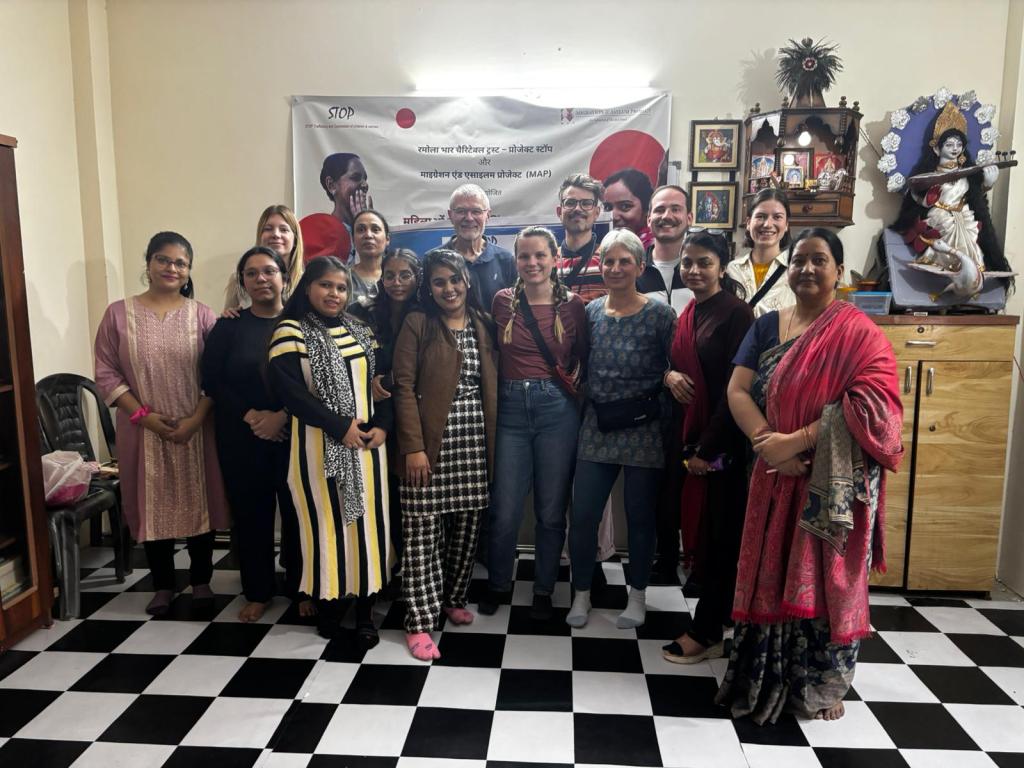
A legal awareness session was conducted at the Tigri STOP Centre in collaboration with the Migration & Asylum Project (MAP), with a focus on helping women recognise different forms of abuse and understand their rights. The session was observed throughout by Paridhi Negi from RBCT–Project STOP.
The discussion highlighted how abuse is not limited to physical violence and can also include emotional, verbal, economic, and social abuse that often goes unnoticed in everyday life. Through simple explanations and relatable examples, women were encouraged to identify unhealthy behaviours and understand that abuse is never acceptable.
The session emphasised that women have the right to live with dignity, safety, and independence, and to make informed decisions about their lives. Information was also shared on existing legal protections and how MAP’s trained paralegal volunteers can support women by connecting them with legal services and guiding them through the process whenever assistance is required.
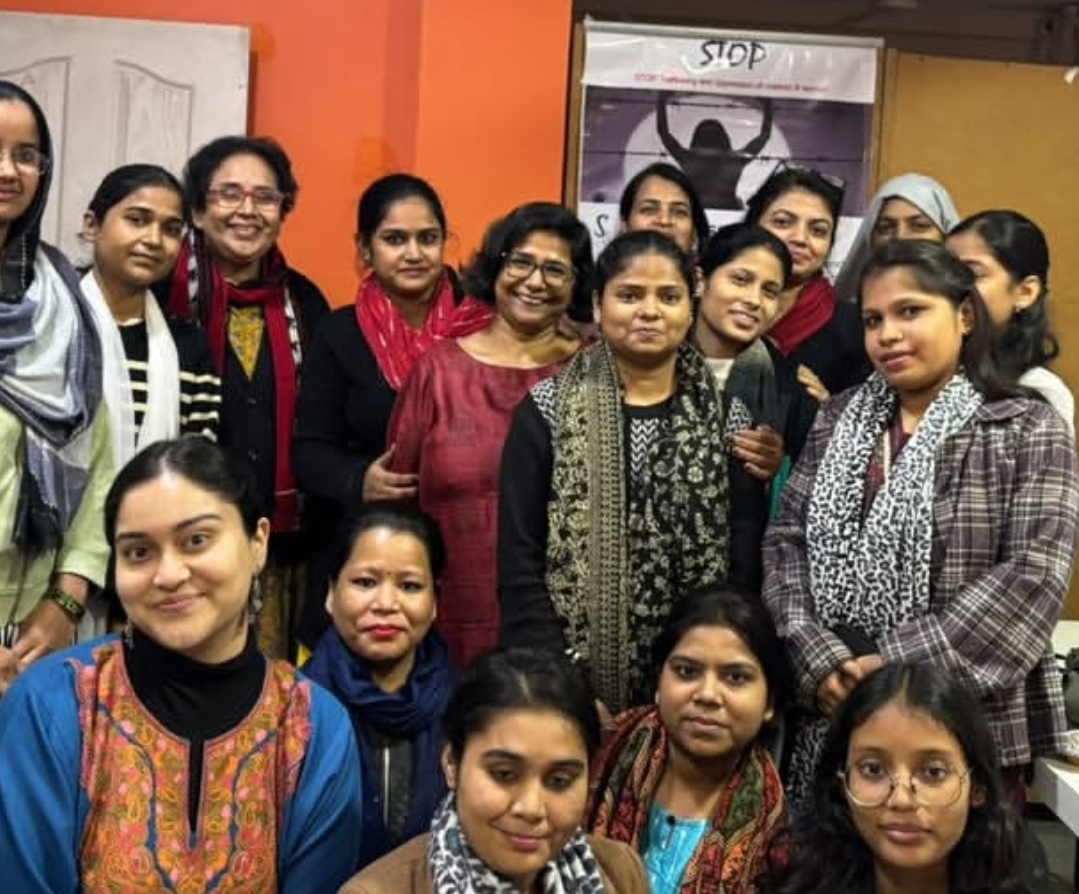
STOP’s Azim Premji Foundation’s revision training brought together women from the Tigri and Tughlakabad communities for a day of learning, dialogue, and reflection in the month of September, 2025. The sessions focused on revisiting eight key modules—Fundamental Rights and Freedom, Health and Hygiene, Human Trafficking, Domestic Violence, Child Marriage, Child Labour, Cybercrime, and Education.
Through several interactive discussions and participatory methods, the sessions encouraged women to recall earlier learnings and apply them to the realities of their daily lives. Practical examples and case-based learning helped participants understand how these issues manifest within their communities and how collective awareness can bring positive change.
The revision process not only refreshed essential concepts but also strengthened community understanding of rights, protection, and responsibility. Women shared personal experiences, clarified doubts, and discussed preventive actions to address concerns like gender-based violence, unsafe work, and access to education.
By the end of the day, the participants reaffirmed their knowledge, confidence, and determination to create safer and more informed communities where justice, equality, and dignity remain shared goals.


On the 23rd of September, 2025, six Community teachers of STOP appeared in a Spot Test. There emerged two winners, namely Ms. Kashish and Ms. Manju. Dr. Prof. Ranjana Bhattacharya gave the two tokens of appreciation to these well-deserved winners!


On September 12, 2025, STOP organized a community health screening camp in the Tughlakabad and Tigri communities with the objective of detecting anemia and extending essential health support to residents. The initiative was designed to identify individuals at risk and to promote preventive health practices among women and families.
During the screening, a total of nineteen participants in Tughlakabad and sixty-five in Tigri were identified with anemia. Each case was carefully recorded and assessed by the attending health team to ensure appropriate follow-up measures. To support recovery, iron supplements will be distributed to those diagnosed, accompanied by personalized health guidance to improve dietary habits and overall nutrition.
The camp also emphasized the importance of consuming iron-rich foods and maintaining balanced meals as a sustainable way to prevent anemia in the long term. Through this initiative, STOP continues to reinforce its commitment to building healthier communities where care, awareness, and compassion come together to promote lasting well-being.


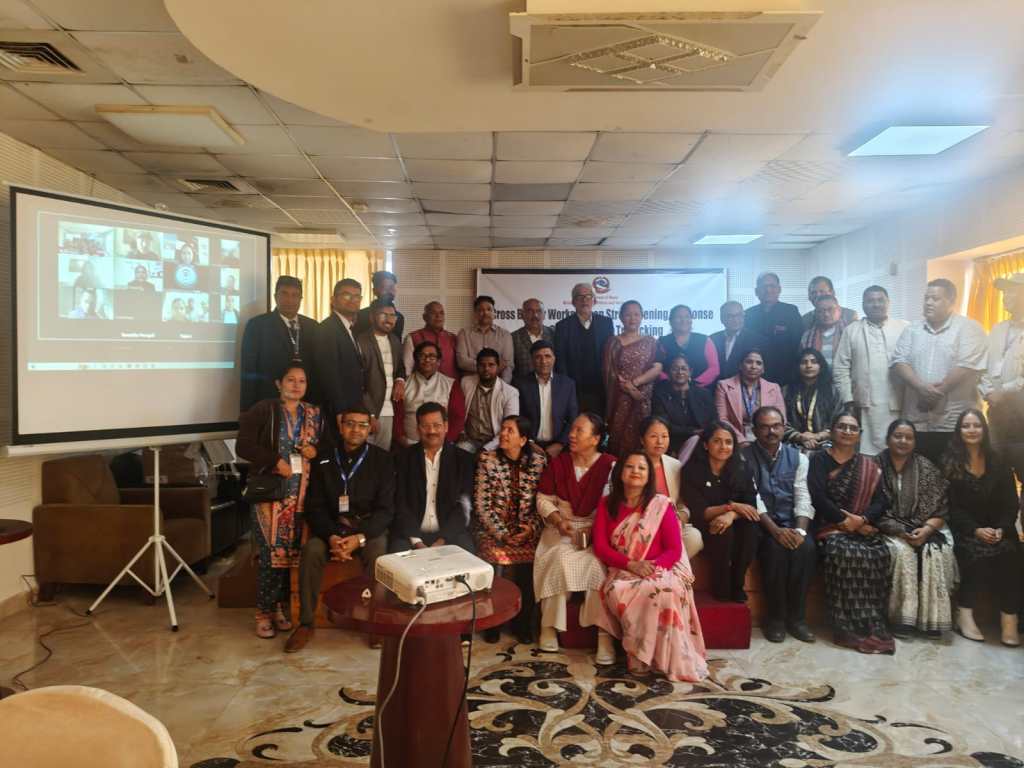
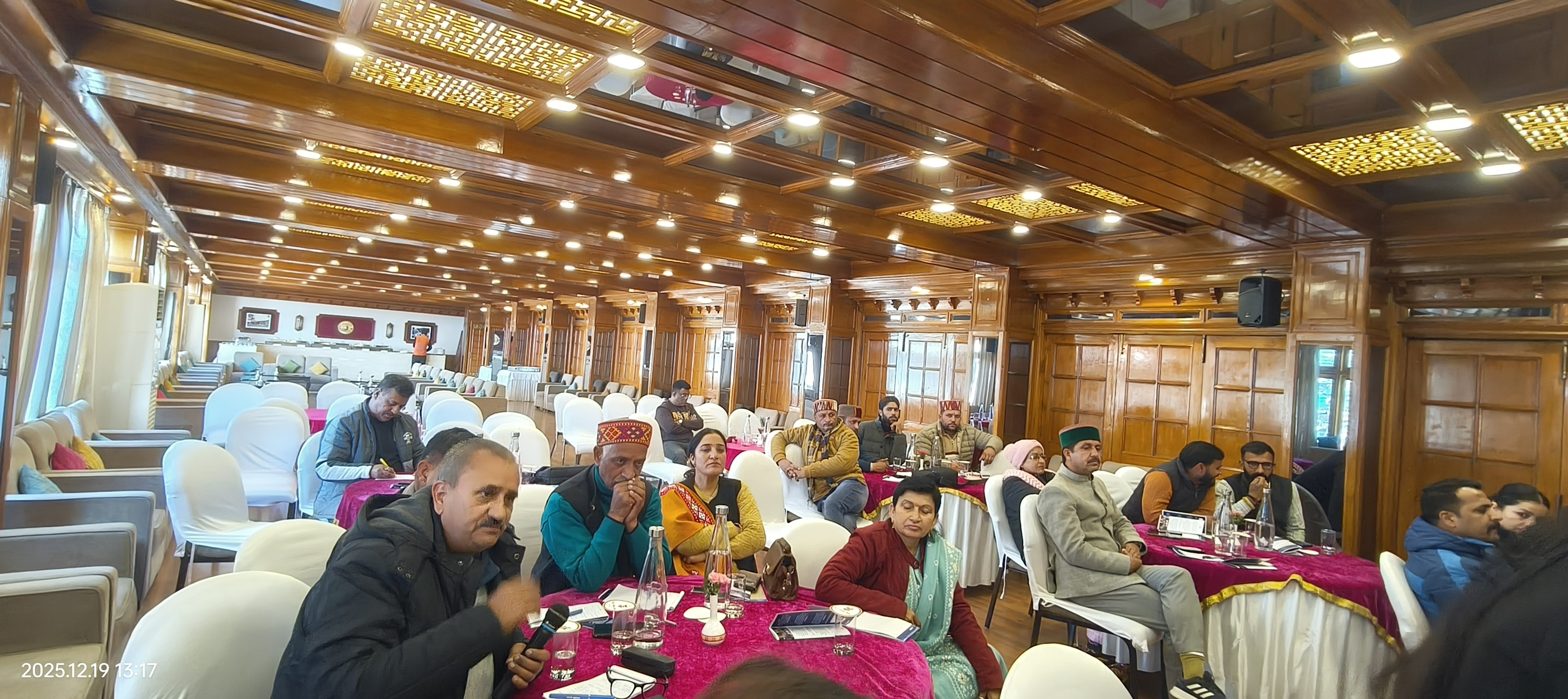
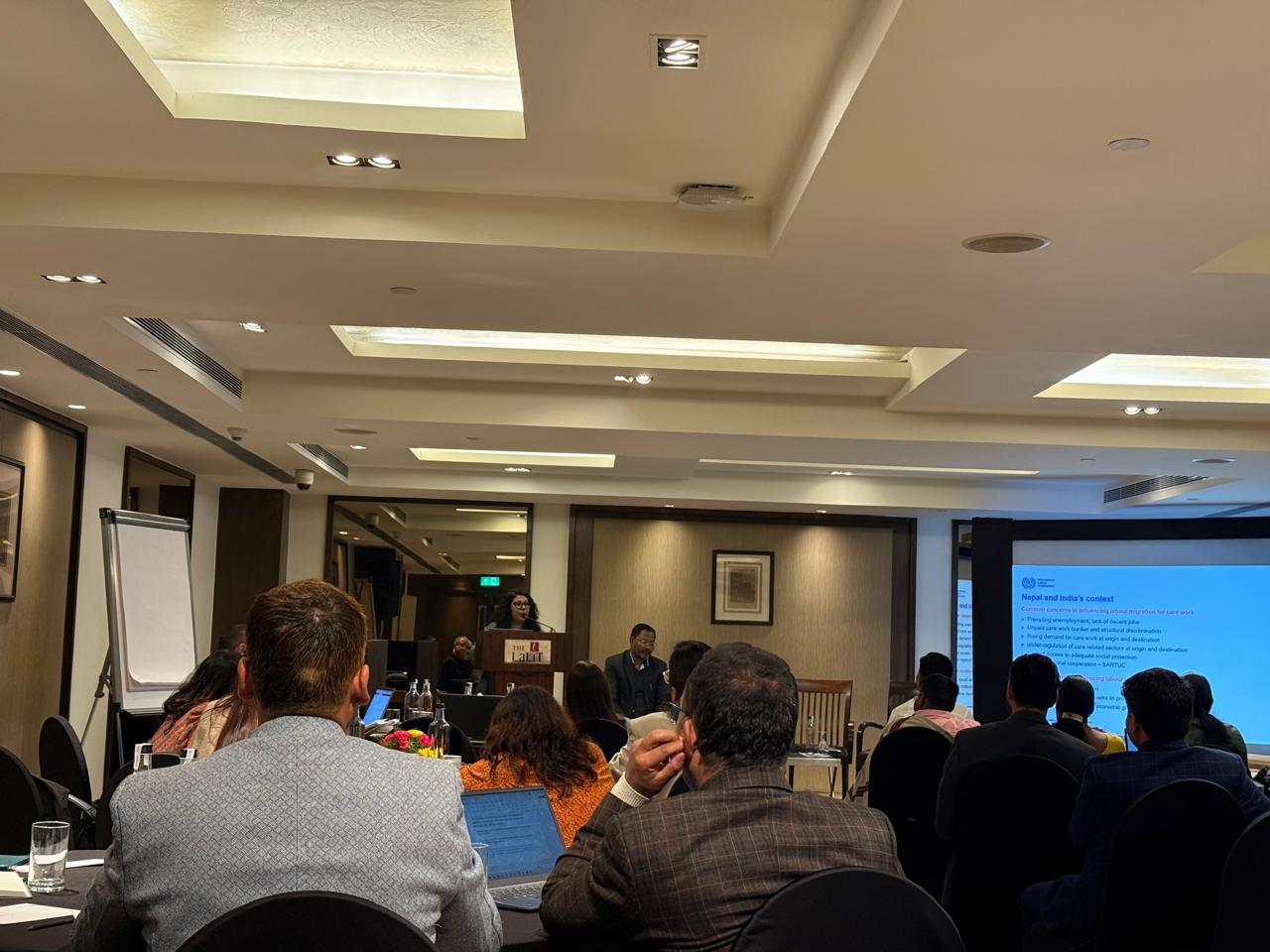
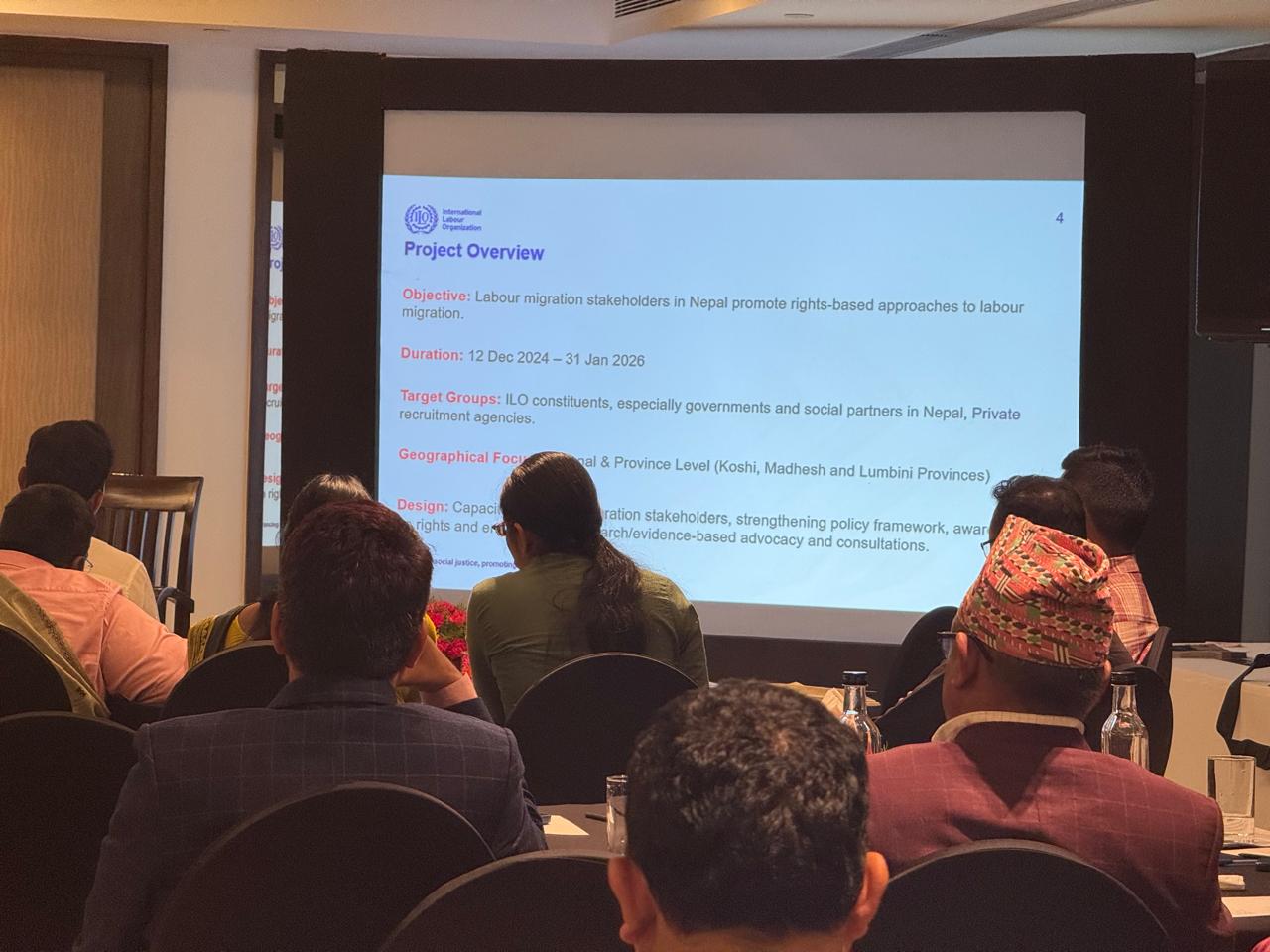
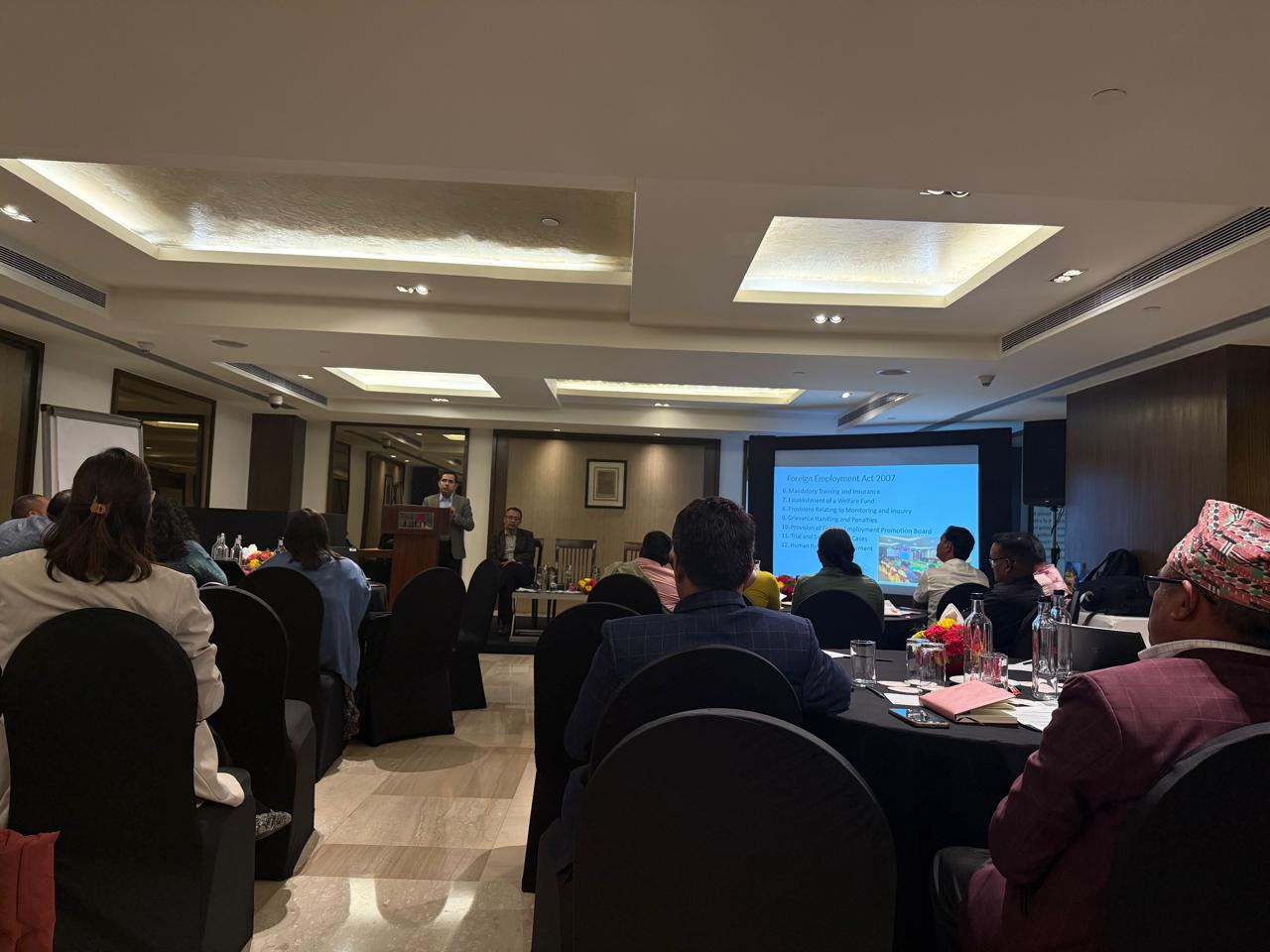
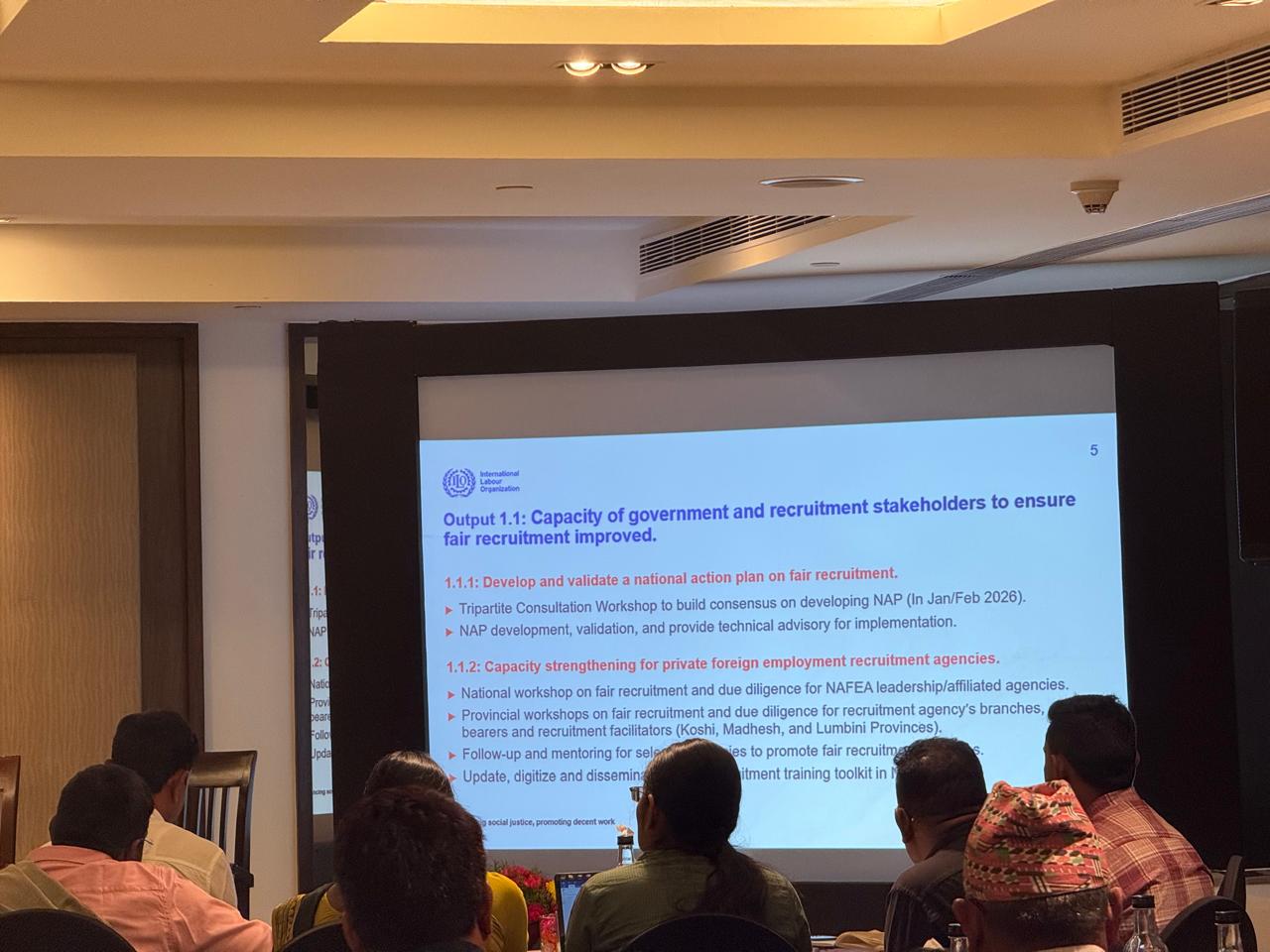
On 12 September 2025, Poonam Choudhary, Field Coordinator of STOP NGO, represented the organisation in the Multi-stakeholder Training on Legal Procedures for Migrant and Informal Workers. The training was held at the MAP (Migration and Asylum Project) Office in Panchsheel Vihar, New Delhi, with participants from civil society organisations, trade unions, and paralegals. It aimed to strengthen capacities in understanding legal processes and remedies for migrant and informal workers.
The session highlighted grievance redressal mechanisms under labour laws. Wage concerns such as non-payment, minimum wage violations, maternity benefits, gratuity, and bonus entitlements were explained with reference to legal provisions and authorities. Employment issues including termination, retrenchment, non-regularisation, and misuse of contract labour were discussed under the Industrial Disputes Act, focusing on the process of complaint and adjudication through the Labour Court.
Workplace safety and welfare were also covered. ESI and Provident Fund grievances were linked to their respective authorities through the grievance system. Occupational safety issues under the Factories Act and OSH Code require inspections and directions, while compensation for workplace injury or death can be pursued through complaint and adjudication under the ESI and Compensation Acts.
Exploitation and harassment were discussed with attention to sexual harassment cases under the POSH Act, which must be reported to Internal or Local Committees for inquiry and action. Bonded labour cases under the Bonded Labour System Abolition Act are handled by the District Magistrate, who ensures rescue and rehabilitation.
The training served as a concise guide to laws and processes protecting migrant and informal workers, reinforcing awareness of rights, authorities, and available remedies.
STOP believes in building collaborations that make learning exciting and meaningful. This Teacher’s Day, that spirit came alive through a vibrant partnership with Unacademy, one of India’s leading online learning platforms.
In the last week of August 2025, Unacademy representative Ms. Bhawna Tanwar visited STOP’s Tigri Community to propose a Teacher’s Day quiz for students from Tigri and Tughlakabad. The event, held on 5th September, beautifully blended celebration with learning.
The day began with introductions and community interactions, followed by an inspiring session by Unacademy educator Mr. Madhukar Kotawe, who spoke about the role of teachers in shaping leaders. Adding further insight, Mr. Amitava Bhattacharyya, Retired IAS Officer, and Dr. Prof. Ranjana Bhattacharya shared thoughts on mentorship and education as tools for equality.
Students filled the space with joy through songs and dances guided by Mr. Bantu Gonzalvez, Ms. Nazira Khatun, and Ms. Deepika. The Unacademy Quiz, conducted by Ms. Bhawna Tanwar, was the highlight of the day, sparking teamwork and enthusiasm. The Tughlakabad team won amid loud cheers and applause.
The event ended with a heartfelt vote of thanks by Ms. Narayani Bhattacharya, Documentation Officer at STOP, expressing gratitude to Unacademy and everyone who made the day memorable.
It was a Teacher’s Day to cherish, where learning, laughter, and inspiration came together in perfect harmony.
On the 4th of September, 2025, fifty enthusiastic students from STOP’s Tughlakabad Community came together to learn and pledge towards an anemia-free future. The programme was organized in collaboration with CUF (Children Unbound Foundation) and Mosachi companies and was full of energy and motivation.
Vishwajeet Ghoshal, CUF representative, explained the difference between good and bad iron levels, how anemia affects health, growth, and energy, and shared simple ways to stay anemia-free through food and habits.
Paridhi Negi, Project Associate at STOP, encouraged students to take charge of their health and inspire their peers. Gulnuma, Centre-In-Charge, and Archana, Caregiver from the Tughlakabad Community, supported and guided the students throughout the programme.
The highlights of the event included fifty students actively participating with questions and discussions, one student beautifully summarizing the entire event, students pledging to promote anemia awareness in their community, and collaboration and care making this a true community-powered initiative.
On August 28, 2025, STOP organized the Anemia Eradication Programme, a day dedicated to promoting health awareness and strengthening preventive healthcare in Tigri. The initiative focused on empowering adolescent women with knowledge and resources to combat anemia, a condition that continues to affect the well-being and productivity of many young individuals. The event brought together healthcare professionals and partner organizations committed to building a healthier and more informed community.
Mr. Vishwajeet Ghoshal from the CUF (Children Unbound Foundation), in collaboration with Mosachi, highlighted the significance of grassroots health interventions for young women and the role of nutrition in preventing anemia. The keynote speaker, Dr. Ranjana Bhattacharya, delivered an inspiring address motivating adolescent girls to take charge of their health and say no to anemia through awareness, balanced diets, and self-care.
The programme witnessed the enthusiastic participation of around one hundred young women, creating an atmosphere of motivation and solidarity.


On August 28, 2025, independent researcher Ms. Carolina Rota from the University of Oxford spent a day engaging deeply with domestic workers and women from the community. Her visit aimed to understand women’s lived experiences, challenges, and resilience within their social and economic environments.
Ms. Rota conducted several one-on-one interviews and informal group discussions, encouraging participants to share their personal stories and perspectives. Her ability to communicate fluently in Hindi helped bridge barriers, allowing genuine and heartfelt exchanges that reflected the strength and solidarity of the women she met.
The interaction provided valuable insights into the intersection of gender, livelihood, and empowerment in community settings. It also highlighted the importance of cross-cultural learning and academic collaboration in amplifying the voices of grassroots women.
Project STOP deeply values such meaningful engagements that connect global research with local realities, fostering understanding, respect, and empowerment through dialogue and shared learning.