STOP is implementing a livelihood and women’s empowerment initiative in West Bengal, in 2026, focusing on crab farming as an income-generating activity. The initiative is being carried out with the participation of local women and Mahila Mandals in two backward districts of West Bengal.
Stage 1: Salinated Water Management
The process begins with the management and preparation of the naturally salinated water available in the village ponds, creating suitable conditions for crab farming.
Stage 2: Clearing and Preparation of Ponds
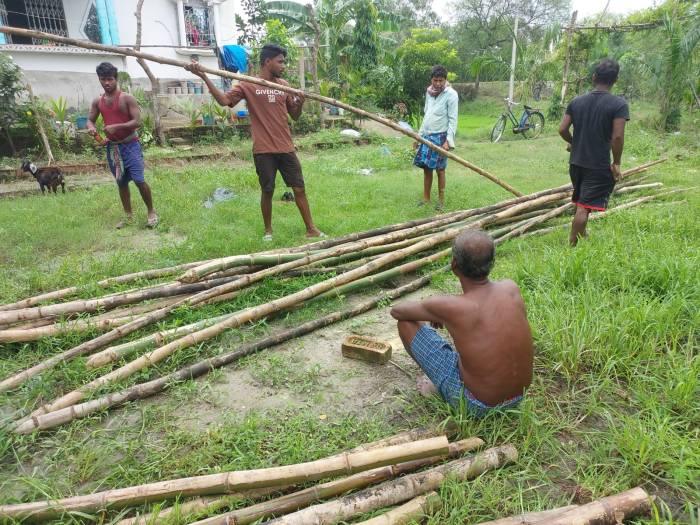
The ponds are cleared and cleaned to prepare them for crab farming. This includes removing unwanted materials and preparing the pond environment for the next stages of the activity.
Stage 3: Cage Preparation and Fixing
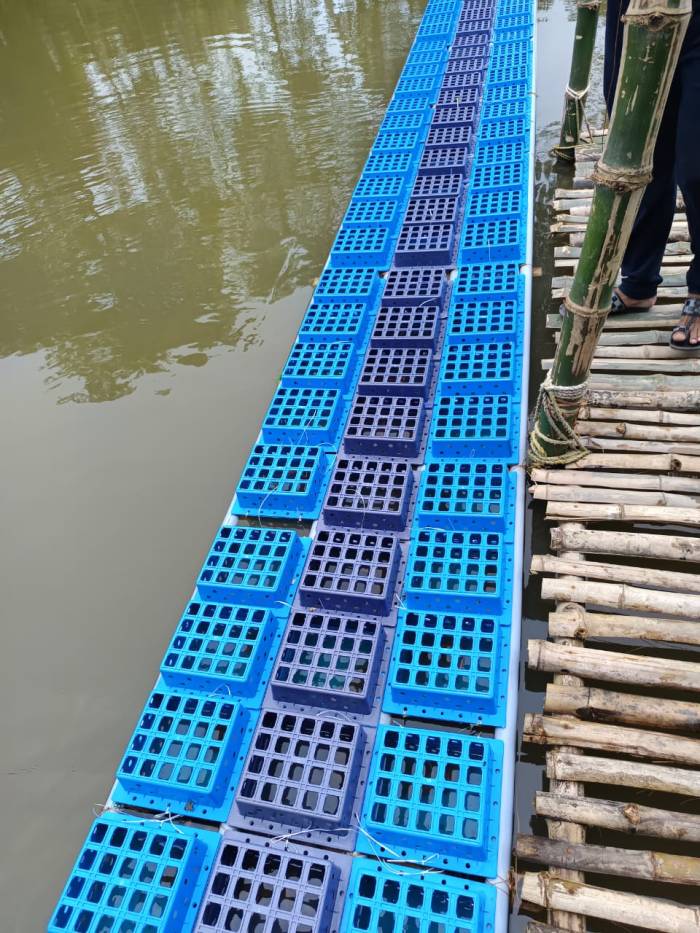
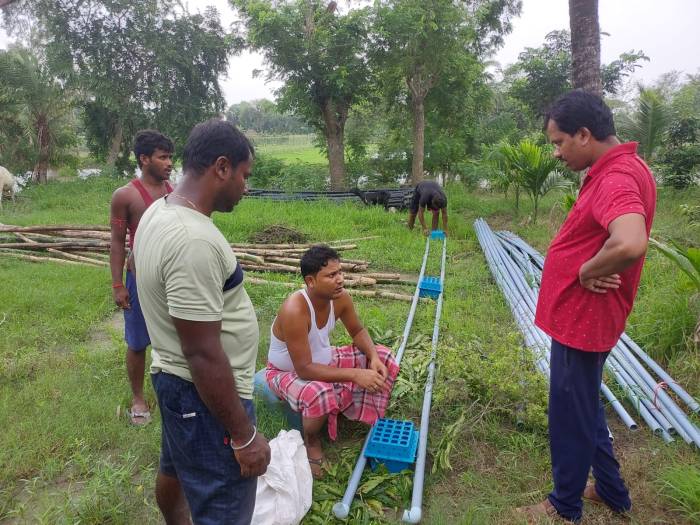
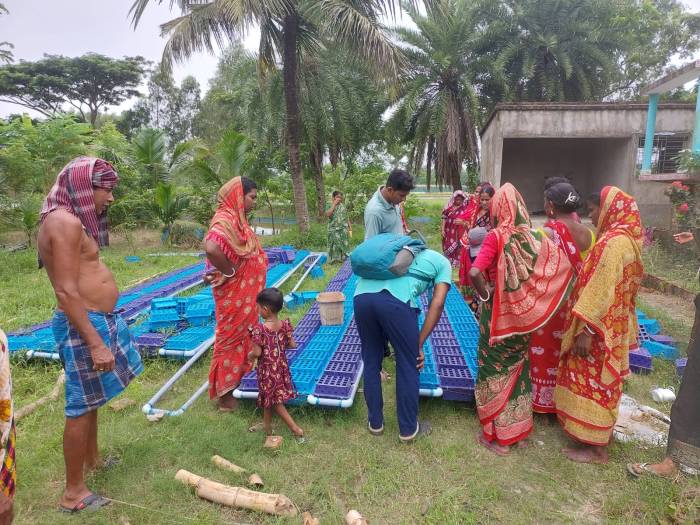
Cages for crab rearing are prepared and fixed inside the ponds. These cages provide a controlled space for rearing and managing the crabs.
Stage 4: Net Fixing
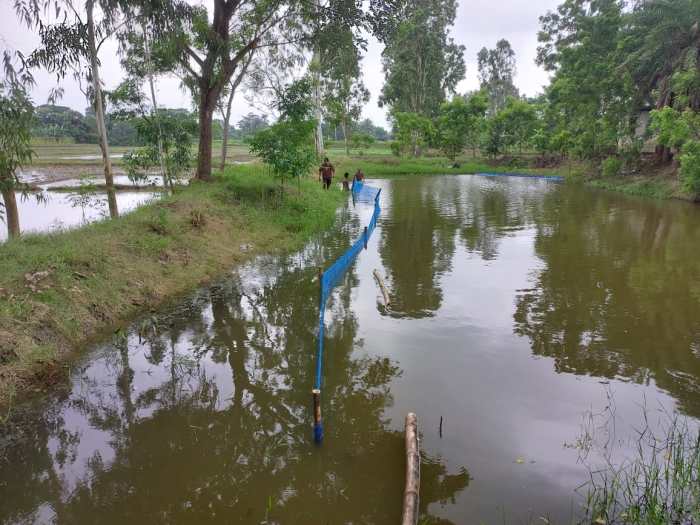
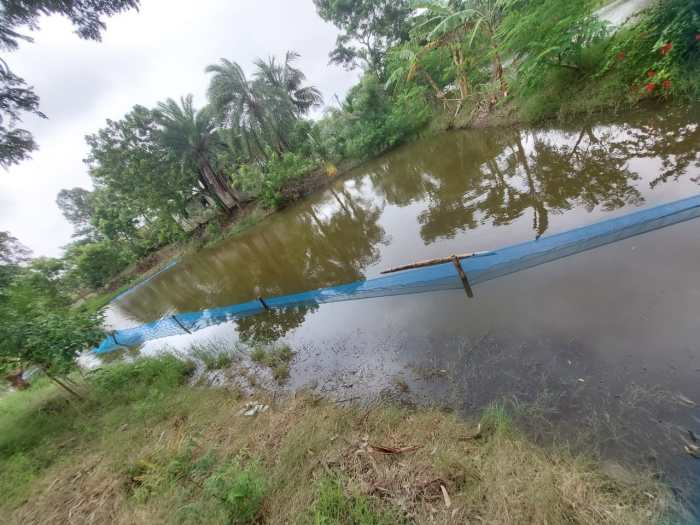
Nets are fixed around the cages and farming areas to secure the crabs and prevent them from escaping, thereby supporting effective crab rearing.
Stage 5: Training and Capacity Building
Training is currently being provided to the participating women on crab farming and related practices. The training is helping women develop the practical knowledge and skills required to manage the activity and strengthen their livelihood opportunities.
Role of Mahila Mandals
Mahila Mandals form an important community platform through which women participate in the livelihood activity. Their involvement supports collective participation, coordination and women’s empowerment.
Women’s Empowerment and Income Generation
The overall initiative connects crab farming with women’s economic empowerment. By engaging women in a practical livelihood activity and building their technical skills, STOP is supporting opportunities for income generation and greater economic participation.
Documentation of Success Stories
Case studies and success stories of women participating in the initiative are being prepared to document the outcomes and experiences emerging from the project. These stories will also contribute to project documentation, learning and reporting.