Blog

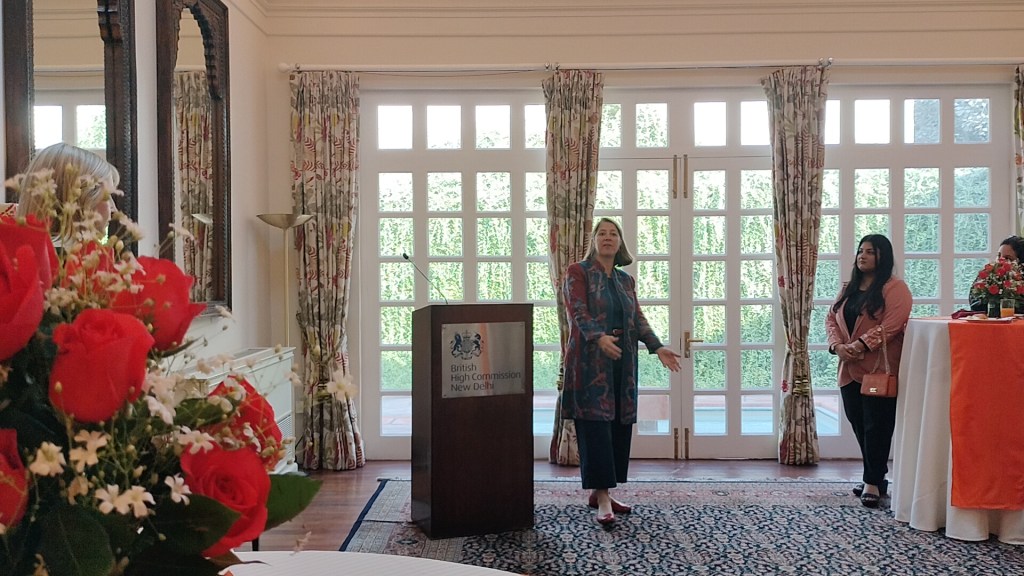
Invitation | British High Commission

The event brought together civil society organisations, academic and development institutions, legal professionals, counsellors, and activists. Meaningful interactions took place with organisations such as J-PAL, Management Development Institute, Rubaroo, Jagori, LLF, along with independent lawyers and trauma-informed practitioners. The discussions focused on shared challenges, survivor-centric approaches, and possibilities for future collaboration. The event helped strengthen networks, encourage cross-learning, and reinforce the importance of collective action in addressing gender-based violence.

Interface Between Aftercare Youth and Social Sector Employers

Ramola Bhar Charitable Trust – Project STOP participated in an interface programme focused on connecting aftercare youth with potential employers in the social development sector on the 28th of November, 2025. The event created space for young people transitioning out of aftercare to share their skills, aspirations, and readiness for employment.

Youth-led presentations and interactive discussions highlighted the importance of mentorship, preparedness, and collaboration in building dignified employment pathways. Ramola Bhar Charitable Trust – Project STOP was represented by Paridhi Negi, who engaged with stakeholders on youth potential, sector readiness, and inclusive employment opportunities.

The programme strengthened dialogue between youth and employers and reaffirmed a shared commitment to expanding sustainable career pathways for aftercare youth in the social sector.

Menstrual & Reproductive Health Awareness Session | 27 November 2025

As part of the 16 Days of Activism Against Gender-Based Violence, Ramola Bhar Charitable Trust – Project STOP, in collaboration with IPAS Organization, conducted a community awareness session on menstrual and reproductive health on 27 November 2025.

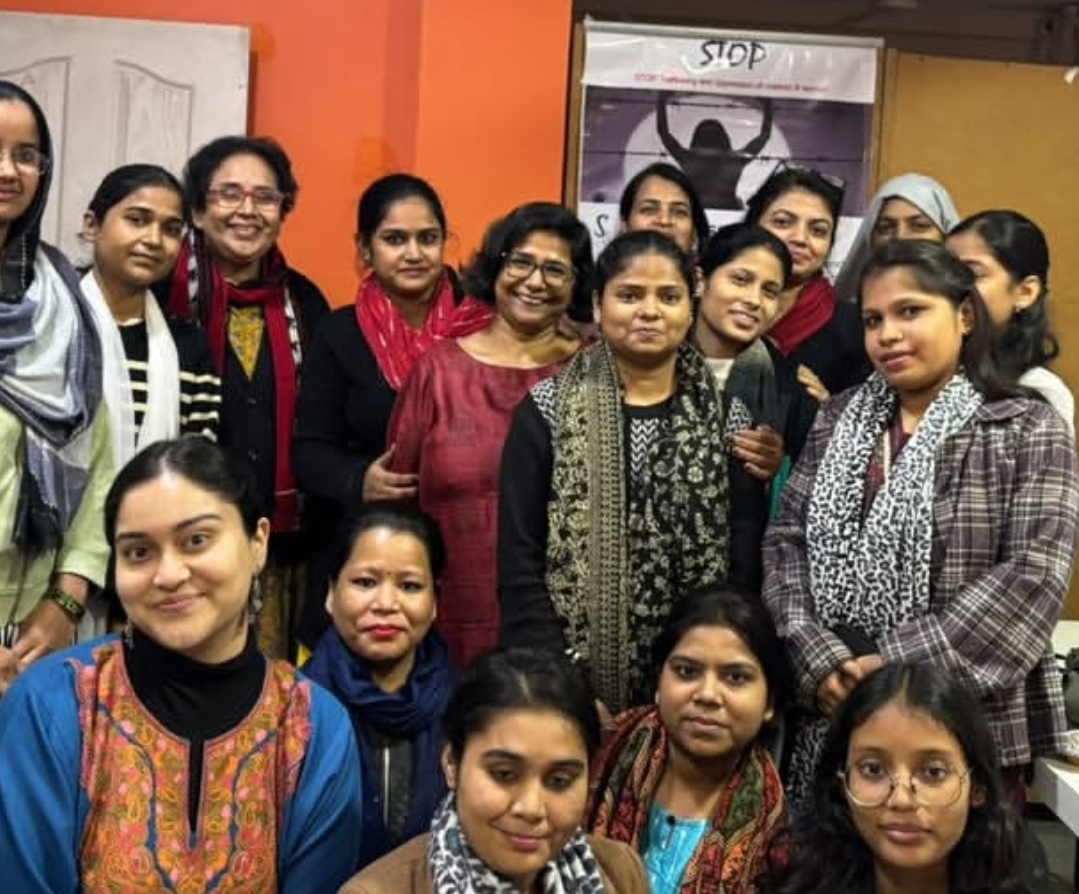
Facilitated by Dr Puja Gupta, Gynaecologist, and Ms Ami Sahgal from IPAS, the session engaged over 30 women from Tigri and Tughlakabad communities in open discussions on menstrual hygiene, reproductive health, safe practices, and bodily autonomy. The interaction encouraged questions, shared experiences, and reinforced the importance of non-judgmental, empathetic support for women.

The session strengthened community understanding of menstrual and reproductive health as essential to women’s dignity, well-being, and protection.

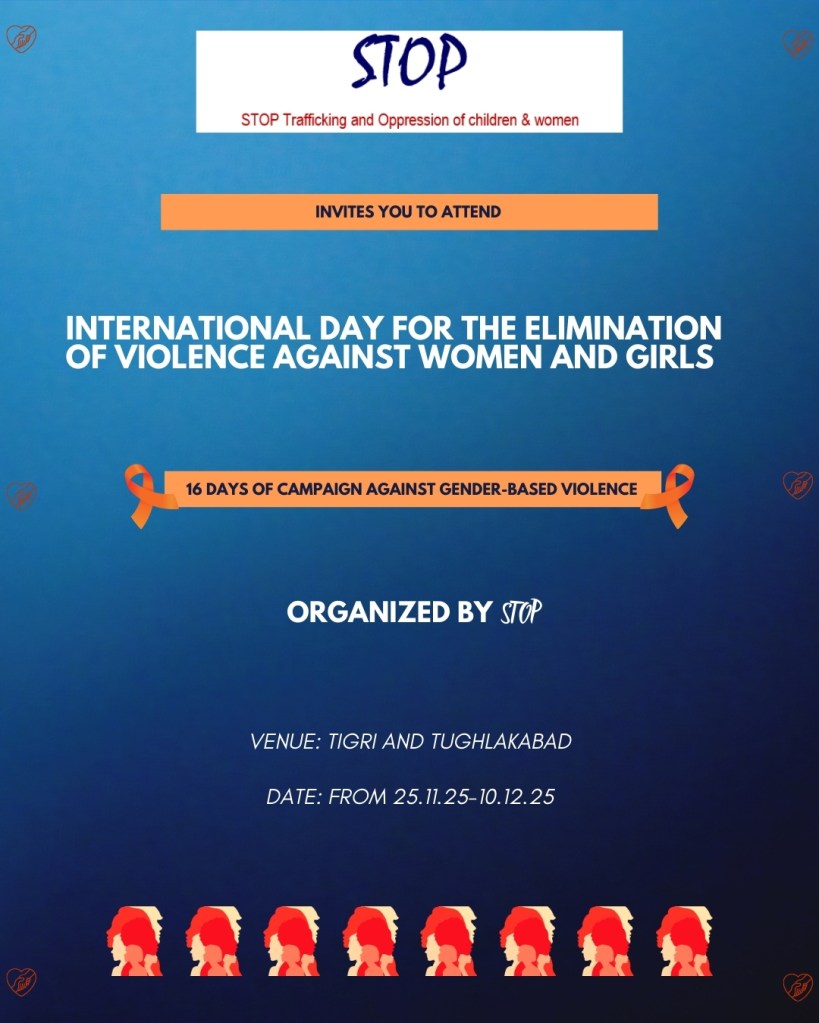
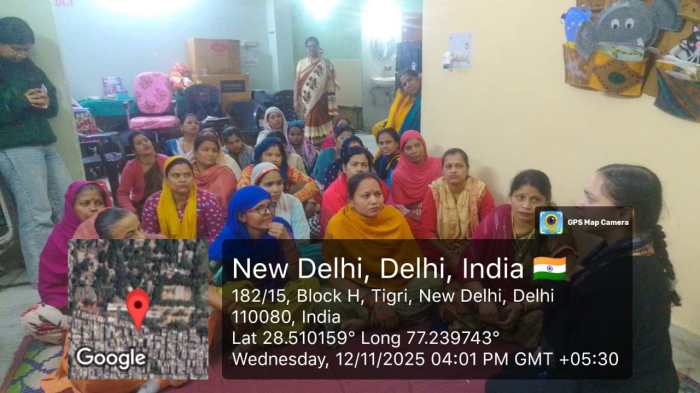
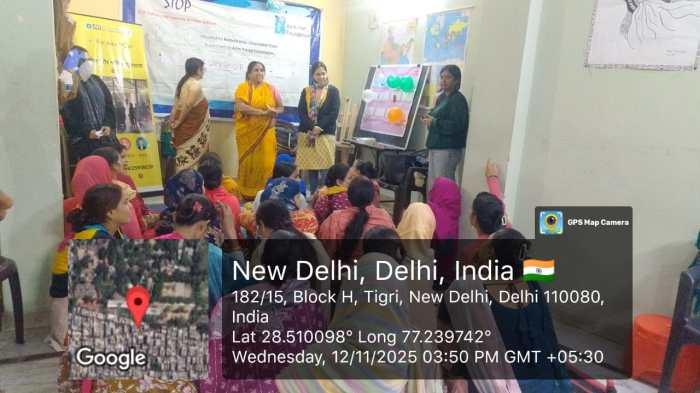
STOP Celebrated The International Day for the Elimination of Violence Against Women and Girls

Promoting Legal Rights and Safety for Women

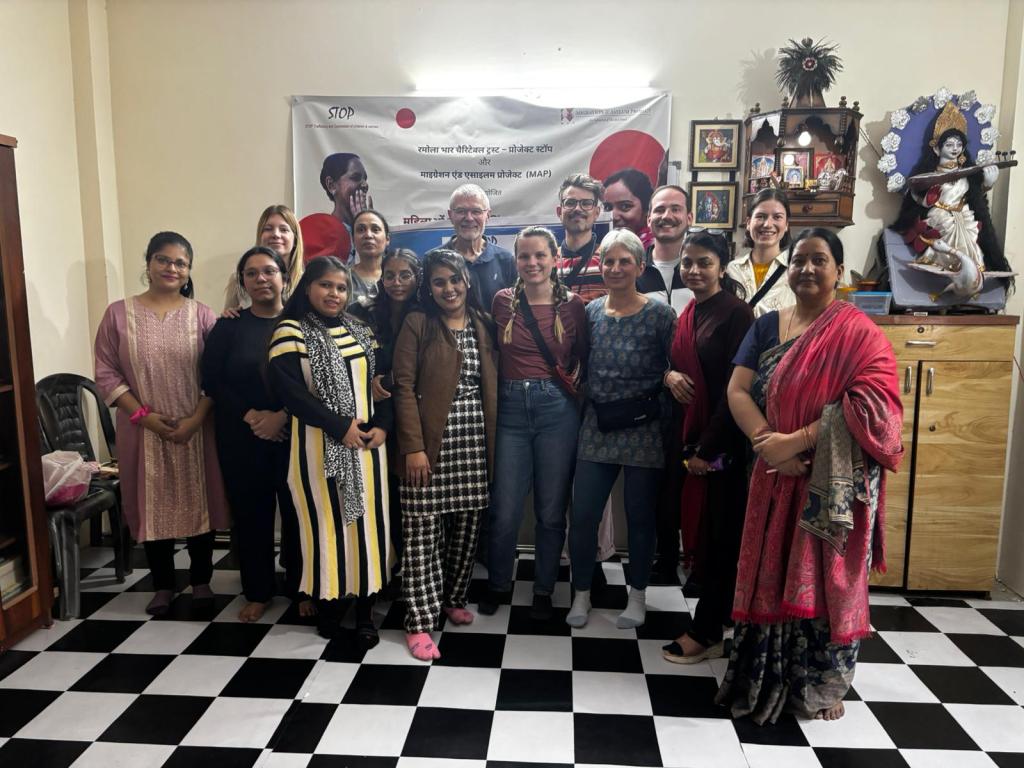
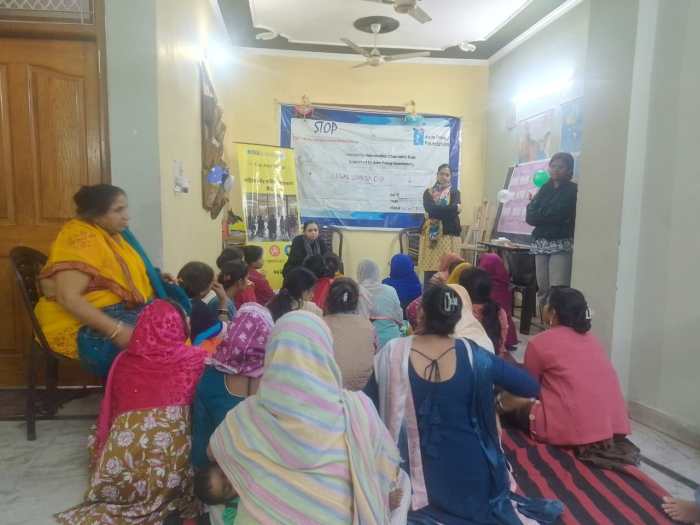
A legal awareness session was conducted at the Tigri STOP Centre in collaboration with the Migration & Asylum Project (MAP), with a focus on helping women recognise different forms of abuse and understand their rights. The session was observed throughout by Paridhi Negi from RBCT–Project STOP.

The discussion highlighted how abuse is not limited to physical violence and can also include emotional, verbal, economic, and social abuse that often goes unnoticed in everyday life. Through simple explanations and relatable examples, women were encouraged to identify unhealthy behaviours and understand that abuse is never acceptable.

The session emphasised that women have the right to live with dignity, safety, and independence, and to make informed decisions about their lives. Information was also shared on existing legal protections and how MAP’s trained paralegal volunteers can support women by connecting them with legal services and guiding them through the process whenever assistance is required.

Azim Premji Revision Training of 8 Modules | Tigri & Tughlakabad 

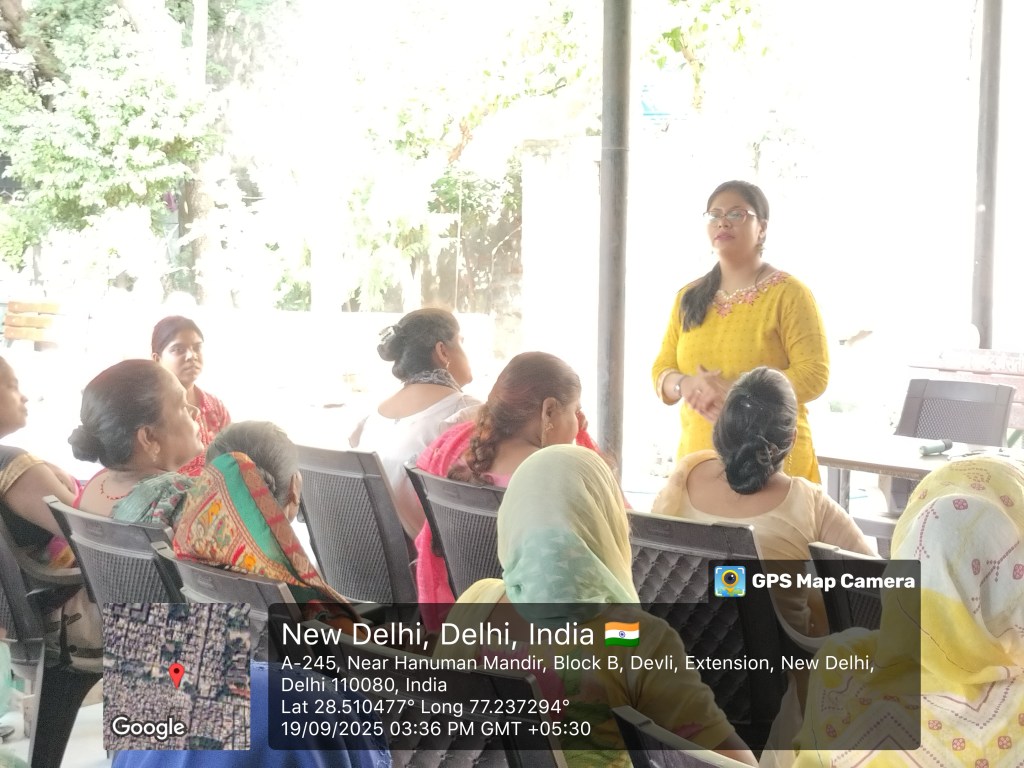
STOP’s Azim Premji Foundation’s revision training brought together women from the Tigri and Tughlakabad communities for a day of learning, dialogue, and reflection in the month of September, 2025. The sessions focused on revisiting eight key modules—Fundamental Rights and Freedom, Health and Hygiene, Human Trafficking, Domestic Violence, Child Marriage, Child Labour, Cybercrime, and Education. 

Through several interactive discussions and participatory methods, the sessions encouraged women to recall earlier learnings and apply them to the realities of their daily lives. Practical examples and case-based learning helped participants understand how these issues manifest within their communities and how collective awareness can bring positive change. 

The revision process not only refreshed essential concepts but also strengthened community understanding of rights, protection, and responsibility. Women shared personal experiences, clarified doubts, and discussed preventive actions to address concerns like gender-based violence, unsafe work, and access to education. 

By the end of the day, the participants reaffirmed their knowledge, confidence, and determination to create safer and more informed communities where justice, equality, and dignity remain shared goals. 

spot test for teachers, september 2025

On the 23rd of September, 2025, six Community teachers of STOP appeared in a Spot Test. There emerged two winners, namely Ms. Kashish and Ms. Manju. Dr. Prof. Ranjana Bhattacharya gave the two tokens of appreciation to these well-deserved winners!

Building healthier futures with anemia-free communities

STOP INVITED TO MAP OFFICE

On 12 September 2025, Poonam Choudhary, Field Coordinator of STOP NGO, represented the organisation in the Multi-stakeholder Training on Legal Procedures for Migrant and Informal Workers. The training was held at the MAP (Migration and Asylum Project) Office in Panchsheel Vihar, New Delhi, with participants from civil society organisations, trade unions, and paralegals. It aimed to strengthen capacities in understanding legal processes and remedies for migrant and informal workers.

The session highlighted grievance redressal mechanisms under labour laws. Wage concerns such as non-payment, minimum wage violations, maternity benefits, gratuity, and bonus entitlements were explained with reference to legal provisions and authorities. Employment issues including termination, retrenchment, non-regularisation, and misuse of contract labour were discussed under the Industrial Disputes Act, focusing on the process of complaint and adjudication through the Labour Court.

Workplace safety and welfare were also covered. ESI and Provident Fund grievances were linked to their respective authorities through the grievance system. Occupational safety issues under the Factories Act and OSH Code require inspections and directions, while compensation for workplace injury or death can be pursued through complaint and adjudication under the ESI and Compensation Acts.

Exploitation and harassment were discussed with attention to sexual harassment cases under the POSH Act, which must be reported to Internal or Local Committees for inquiry and action. Bonded labour cases under the Bonded Labour System Abolition Act are handled by the District Magistrate, who ensures rescue and rehabilitation.

The training served as a concise guide to laws and processes protecting migrant and informal workers, reinforcing awareness of rights, authorities, and available remedies.